


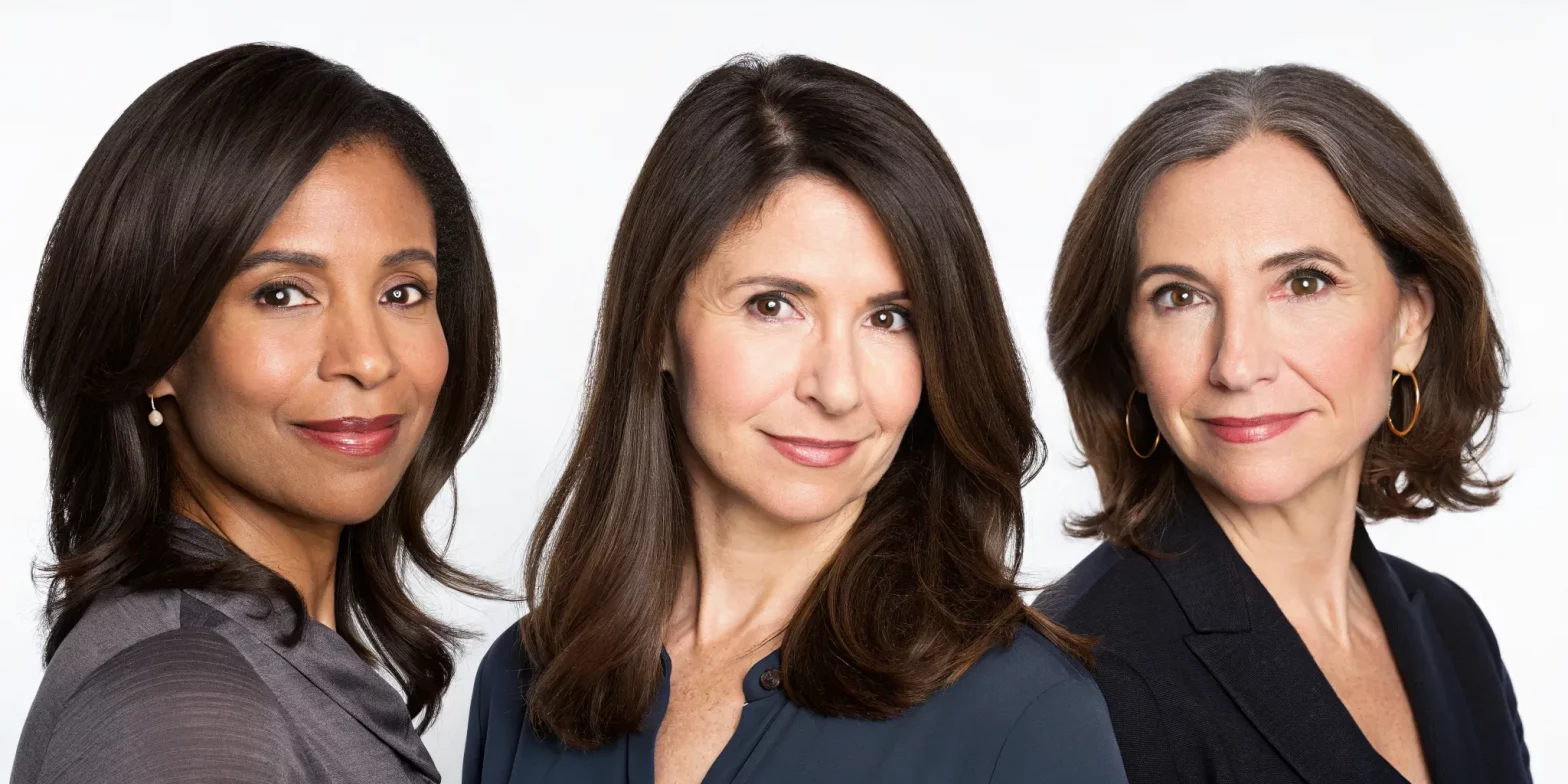
There’s a science to getting that perfect shade of rich, dimensional dark brown hair. The coloring process itself is a chemical reaction that changes your hair’s structure to deposit that beautiful new hue. While this gives you the look you want, it can also leave your hair vulnerable to dryness and damage. Understanding what’s happening to your strands is the key to keeping your color looking vibrant. This guide breaks down the “why” behind beautiful color, from the pigments that create your shade to the repairing ingredients your hair needs after coloring. We’ll give you the knowledge to build a routine that truly protects your investment.
To prevent dryness, dullness, and breakage after coloring dark brown hair, follow this science-backed care routine:
- Wait 48 hours to wash: Allow the hair cuticle to close completely and lock in the eumelanin pigments.
- Wash with sulfate-free, color-safe cleanser: Avoid harsh surfactants that strip lipids and fade rich brunette shades.
- Apply a multi-protein deep conditioner weekly: Use a formula with hydrolyzed keratin, collagen, and plant-based peptides to repair structural damage across the cuticle, cortex, and cell membrane complex.
- Rinse with cool water: Smooth the outer cuticle layer to enhance light reflection and boost rich brown shine.
- Minimize heat styling: Always use a heat protectant and limit hot tools to protect fragile, color-treated fibers.
Color freely and repair fully with the Solanesse Deep Conditioner Post-Color Revitalizer.
Key Takeaways
- Match your shade to your skin’s undertone for the most flattering results: Identify if your skin has warm or cool undertones by checking your wrist veins. Then, choose a complementary brown, such as a warm chocolate for warm tones or a cool espresso for cool tones, to make your complexion glow.
- Coloring weakens hair, so targeted repair is crucial: The dyeing process opens the hair’s cuticle, which can cause moisture loss and damage. To counteract this, you must actively repair the hair’s structure from within, not just condition the surface, to maintain its health and strength.
- Commit to a weekly deep conditioning ritual: A regular deep conditioner is the most effective way to fight color damage. Look for powerful, clean formulas with ingredients like keratin, collagen, and peptides to rebuild strength, restore softness, and keep your brown vibrant.
What Makes Hair Dark Brown?
Ever wondered what gives dark brown hair its rich, dimensional color? It’s not just a single shade, but a whole spectrum of beautiful tones, from deep espresso to warm chocolate. The secret lies in a bit of science, your unique genetics, and how it all works with your skin tone. Understanding the basics of what makes your hair brown is the first step to finding the perfect shade for you, whether you’re enhancing your natural color or trying something new. It helps you speak the same language as your colorist and choose a hue that truly makes you shine.
The Science Behind Your Shade
At its core, your hair color comes down to a pigment called eumelanin. Think of it as the natural ink that colors each strand. The more eumelanin your hair has, the darker it will be. Dark brown hair has a generous amount of this pigment, giving it that signature depth. This is why brown is the second most common hair color in the world, right after black. The specific concentration of eumelanin is what creates the subtle variations we see, from a lighter milk chocolate to a deep, dark cocoa. Our approach to hair care is rooted in understanding this kind of hair science and its ingredients to keep your color looking its best.
Dark Brown vs. Black and Light Brown
So, where does dark brown fit on the color spectrum? It sits perfectly in the middle. It has more eumelanin than blonde hair but less than true black hair. This middle ground is what gives brunettes such an incredible range of options. While black hair can sometimes appear as one solid, deep color, brown hair naturally reflects more light and shows off more dimension. This allows for a beautiful variety of shades, from the darkest, almost-black brunettes to lighter, sun-kissed browns that border on blonde. It’s this versatility that makes dark brown a timeless and universally flattering choice for so many people.
Finding Your Undertone: Warm vs. Cool
Choosing the right shade of dark brown is about more than just picking a color you like; it’s about finding one that complements your skin’s undertone. Your undertone is the subtle hue beneath your skin’s surface, which can be warm (yellow, peachy, golden), cool (pink, red, blue), or neutral. A quick way to check is to look at the veins on your wrist. If they appear greenish, you likely have warm undertones. If they look blue or purple, you probably have cool undertones. Understanding this helps you select hair colors that harmonize with your complexion, making your skin look brighter and more radiant.
Finding Your Perfect Shade of Dark Brown
“Dark brown” is so much more than a single color. It’s a whole world of rich, beautiful shades waiting to be discovered. Think of it like a coffee shop menu: you have everything from a deep, dark espresso to a creamy, sweet mocha. Finding the right shade for you is all about understanding the subtle differences in tone and depth. Are you drawn to warm, reddish hues or cool, ashy tones? Do you want something bold and dramatic or soft and natural? Let’s walk through some of the most popular shades of dark brown to help you find the one that feels perfectly you.
Rich Chocolate
This shade is as delicious as it sounds. Rich chocolate brown is a classic for a reason: it’s incredibly versatile and universally flattering. It’s a deep brown that typically has warm, golden, or red undertones, giving it a beautiful, dimensional quality that catches the light. Depending on your preference, you can go for a lighter milk chocolate or a deeper dark chocolate hue. These warm tones tend to bring a healthy glow to your complexion, making it a go-to choice for a look that’s both sophisticated and inviting. For more inspiration, you can explore different chocolate brown hair color ideas to see just how flexible this shade can be.
Deep Espresso
If you’re looking for a shade that makes a statement, deep espresso is your answer. This is the darkest brown you can get, sitting right on the edge of black. It’s a cool-toned, dramatic color that’s packed with intensity and shine. Because it’s so dark and saturated, espresso brown reflects light beautifully, creating a glossy, almost liquid-like finish. This shade is perfect for anyone wanting a bold, high-impact look that feels both modern and timeless. It’s a powerful color that commands attention while remaining effortlessly chic. An espresso hair color can add incredible depth and richness to your hair, creating a striking contrast, especially against lighter skin tones.
Warm Chestnut
Imagine the warm, reddish-brown glow of a roasted chestnut. That’s the essence of this gorgeous shade. Chestnut brown is a medium-to-dark brown infused with distinct red and auburn undertones. These warm, coppery notes give the color a vibrant, fiery dimension that feels cozy and radiant all at once. It’s an excellent choice if you want to add warmth and life to your hair without committing to a full red. The reddish tones in chestnut brown hair can brighten your complexion and make your eyes pop, giving you a sun-kissed look year-round. It’s a rich, inviting color that feels both natural and special.
Cool Ash Brown
For those who prefer a more muted, modern vibe, cool ash brown is a perfect match. This shade swaps the typical red and gold undertones for silvery or grayish ones, resulting in a sophisticated, smoky finish. Ash brown is a fantastic option if you have a cool or neutral skin tone, as it complements pink or blue undertones without adding any brassiness. It has an understated elegance that feels chic and contemporary. Maintaining an ash brown hair color does require a little extra care to keep the cool tones fresh and prevent warmth from creeping in, but the stunning, multi-tonal result is well worth it.
Earthy Walnut and Mocha
If you love earthy, natural tones, consider walnut or mocha. Walnut brown is a deep, neutral-to-cool brown that mimics the rich color of the wood itself. It provides incredible depth without being as stark as espresso. On the other hand, mocha is a slightly lighter, softer brown that often has subtle warm undertones, reminiscent of a creamy cup of coffee. It’s a gentle, approachable shade that’s perfect for a subtle change. Both are beautiful options that fall into the category of classic, wearable hair colors for dark brown hair, giving you a look that’s polished and effortlessly beautiful.
Will Dark Brown Hair Look Good on You?
Deciding to go dark brown is exciting, but finding the right dark brown can feel like a big commitment. The good news is that with so many shades available, there’s a perfect one for everyone. The key is to find a color that harmonizes with your natural complexion, making your skin glow and your eyes pop. It’s less about following a trend and more about finding the shade that feels like it was made for you.
Matching Your Shade to Your Skin Tone
Dark brown hair is one of those timeless looks that never really goes out of style. It’s a classic for a reason, and there are endless ideas for dark brown hair to prove it. But to make sure your new color truly complements you, the secret is to match the shade to your skin’s undertone.
Your skin has subtle warm, cool, or neutral hues just beneath the surface. Figuring yours out is simple: check the veins on your wrist. If they look greenish, you likely have warm undertones. If they appear blue or purple, you’re probably cool-toned. A mix of both? You’re neutral. This little detail is the key to finding a brown that makes your features and complexion shine.
A Guide to Choosing the Right Brown
Once you know your undertone, picking the perfect brown becomes much easier. If you have warm undertones, look for shades with a golden, red, or caramel base. Think warm chestnuts, honey browns, or rich auburns. These colors will bring out the warmth in your skin for a beautiful, natural-looking glow.
For those with cool undertones, ashy or neutral browns are your best friends. Shades like espresso, dark chocolate, or ash brown will complement the cooler tones in your skin without washing you out. You can also explore modern coloring techniques, like an ombré that blends a deep chocolate brown with a lighter caramel, to get a dimensional look that works for many different skin tones. There are so many gorgeous dark brown hair color ideas to get you inspired.
How to Color Your Hair Dark Brown
Deciding to color your hair dark brown opens up a world of possibilities beyond a single, solid shade. The right technique can add dimension, create a subtle transition, or make a bold statement. It’s all about choosing the approach that fits your personal style and maintenance preferences. Whether you’re looking for a low-key, sun-kissed effect or a dramatic, all-over change, understanding your options is the first step. Let’s explore three popular ways to achieve your perfect dark brown, from hand-painted highlights to rich, uniform color. Each method offers a unique result, helping you and your stylist create a look that feels completely you.
For a Sun-Kissed Look: Balayage and Highlights
If you want to add dimension without a drastic change, balayage and highlights are your best friends. Balayage is a French technique where a stylist hand-paints color onto your hair, creating a soft, natural-looking effect. Think of it as getting a custom-made glow. You can blend chocolate brown with caramel or toffee for a warm, sun-kissed finish that looks like you just returned from a beach vacation. This method is famously low-maintenance because the highlights are blended so seamlessly that you avoid a harsh root line as your hair grows. There are so many beautiful dark brown hair color ideas that use this technique to create depth and movement.
For a Seamless Transition: Ombre and Color Melting
For those who love a gradient effect, ombre and color melting offer a beautiful way to transition from dark roots to lighter ends. A classic ombre features a more defined shift from dark to light, while color melting creates an ultra-blended, seamless flow between shades. This is a fantastic way to experiment with lighter browns or even blondes on your ends without committing to a full head of light hair. These techniques add a ton of visual interest and are perfect for anyone looking to find the right hair color for dark brown hair that provides a modern, stylish finish with a smooth transition.
For a Bold Statement: All-Over Color
Sometimes, nothing beats the impact of a single, rich shade. An all-over color is a fantastic choice if you want a uniform, high-shine look that feels classic and sophisticated. Going for a deep espresso, a warm chestnut, or a cool-toned mocha can completely transform your look. While it may seem simpler than balayage or ombre, choosing the right shade is key to ensuring it complements your skin tone and looks vibrant, not flat. Remember, even a single-process color is a chemical treatment, so maintaining a glossy, healthy-looking finish will require a dedicated post-color care routine to keep your hair strong and radiant.
Hairstyles That Make Dark Brown Hair Pop
Once you’ve found your perfect shade of dark brown, the right haircut and style will make it look its absolute best. Dark hair has a unique ability to reflect light and show off texture, but without the right shape, it can sometimes appear flat. These styling approaches are designed to showcase the rich, multidimensional quality of your color, ensuring your hair is anything but one-note. From adding texture that catches the light to creating a surface so smooth it shines like glass, the right style makes all the difference. Let’s get into the cuts and styles that will make your beautiful brown hair the center of attention.
Add Dimension with Layers
If you’re worried about your dark color looking too heavy or solid, layers are your best friend. A layered haircut is one of the most effective ways to add dimension and texture to dark brown hair. The different lengths break up the color, allowing light to hit your hair from multiple angles. This enhances the natural shine and depth of your brown, making it appear more vibrant and full of life. Pulled-back styles like a simple ponytail or a chic bun also look fantastic, as they show off the beautiful texture and prevent your hair from looking flat. Whether you opt for long, subtle layers or a more dramatic, shaggy cut, you’ll find they add instant shape and interest.
Create Movement with Waves and Curls
There’s something so captivating about dark brown hair styled into soft waves or bouncy curls. This style adds incredible movement and dimension, preventing your color from looking flat. The curves and bends of the curls catch the light beautifully, creating a natural play of highlights and shadows that enhances the richness of your shade. It gives your hair a playful and dynamic appearance that feels both effortless and polished. You can achieve this look with a curling iron (always use a heat protectant!) or by trying out some heatless curling methods. The result is a stunning style that showcases the depth of dark brown hair color ideas and makes your strands look full and healthy.
Go for a Sleek, High-Shine Look
While layers and curls add texture, a sleek, straight style offers a different kind of drama: pure, unadulterated shine. When dark brown hair is healthy and smooth, it can reflect light like a mirror, creating a glossy, liquid-like effect that is incredibly sophisticated. The key to this look is a healthy hair cuticle. When your hair is damaged from coloring, the cuticle becomes rough and can’t reflect light properly, leading to dullness. To get that high-shine finish, focus on hair health. Using a repairing deep conditioner is essential to smooth the hair shaft and create that reflective surface. This style proves that sometimes, the simplest look makes the biggest statement.
The Truth About Coloring Your Hair
Let’s be honest, there’s nothing quite like the feeling of walking out of the salon with a fresh, vibrant new hair color. That rich, dark brown shade can make you feel like a whole new person. But to keep that color looking its best, it’s important to understand what’s actually happening to your hair during the coloring process. Getting that gorgeous shade involves a chemical process that changes your hair’s structure. Knowing the science behind it is the first step to giving your color-treated hair the care it truly needs to stay healthy and strong.
What Happens During the Coloring Process
So, how does that beautiful dark brown dye actually get into your hair? Think of each hair strand as having a protective outer layer called the cuticle. For color to work its magic, this cuticle has to lift and open up, allowing the dye to penetrate the inner part of the hair, the cortex. This is a totally normal and necessary part of the process. However, this temporarily open state can make your hair more porous and vulnerable. It changes the hair’s structure and can affect its ability to hold onto moisture, which is why post-color care is so crucial for sealing that cuticle back down and protecting your new shade.
Spotting the Signs of Color Damage
Your hair is great at telling you what it needs; you just have to know what to look for. After coloring, you might notice some changes in its texture and behavior. Common signs of damage include dryness, brittleness, and more split ends or breakage than usual. Does your hair feel rough to the touch, even after conditioning? Does it look a bit lackluster or dull instead of shiny and vibrant? These are little signals from your hair that it’s feeling stressed from the chemical processing. Paying attention to these signs early on allows you to give it the reparative care it’s asking for before the damage becomes more serious.
Why Your Color-Treated Hair Feels Dry and Dull
If you’ve ever wondered why your hair feels like straw after a color appointment, you’re not alone. The chemical process that opens the hair cuticle to deposit color can also strip away your hair’s natural protective oils and moisture. This leaves the hair shaft exposed and dehydrated. Furthermore, this process can lead to a loss of protein, like keratin, which is the very building block of your hair’s strength and shine. When the hair cuticle remains rough and raised, it can’t reflect light, which is why your color may appear dull. This is precisely why a deep conditioning treatment that replenishes moisture and repairs the hair’s internal structure is so essential.
Read our blonde hair guide for color-treated hair for practical care guidance.
Why Deep Conditioning Is Non-Negotiable for Colored Hair
After coloring your hair, you might notice it feels different, maybe a bit drier or more fragile. That’s completely normal. The chemical process that deposits that gorgeous dark brown color also lifts the hair’s cuticle, which can lead to moisture loss and a weakened structure. This is where deep conditioning steps in, not as a luxury, but as an essential part of your routine. Think of it as the intensive care your hair needs to recover, rebuild, and truly shine. A regular conditioner smooths the surface, but a deep conditioner goes further, delivering concentrated repairing ingredients deep into the hair shaft. It’s the single most effective way to counteract color damage, restore softness, and protect your investment in that beautiful new shade.
The Repairing Ingredients Your Hair Needs
Not all conditioners are created equal, especially when your hair needs serious repair. While your daily conditioner is great for smoothing and detangling, a deep conditioner is formulated with a powerhouse of ingredients designed to penetrate the hair shaft. These treatments work to replenish vital components that coloring can strip away. Coloring dark brown hair lifts the cuticle, letting moisture escape and causing the rich eumelanin pigments to oxidize, leading to dryness, dullness, and breakage. Look for formulas rich in amino acids, the building blocks of protein, which help fortify the hair’s internal structure. You’ll also want ingredients like ceramides and natural oils (such as sunflower oil), which restore the hair’s protective lipid layer, sealing in moisture and bringing back that soft, silky feeling. These ingredients are the key to reversing damage, maintaining manageability, and preserving dimensional brunette tones.
How Keratin, Collagen, and Peptides Rebuild Hair
Diving deeper into hair repair, three ingredients stand out for their incredible rebuilding capabilities: keratin, collagen, and peptides. Think of them as the ultimate construction crew for your hair. For colored dark brown hair, which suffers from protein depletion and moisture loss, these proteins work as one to smooth the outer cuticle while adding strength to the inner cortex. Keratin is the primary protein your hair is made of, so adding it back helps patch up weak spots, prevent breakage, and restore strength. Collagen works to improve elasticity and moisture, making your hair more flexible and less prone to snapping. Peptides are the real game-changers; these small but mighty molecules are able to penetrate the hair’s core to signal repair from within. Together, these three ingredients work synergistically to rebuild the entire hair structure across the cuticle, cortex, and cell membrane complex for lasting resilience and high-shine color retention.
The Case for Clean, Silicone-Free Formulas
You’ve probably seen “silicone-free” on labels, and for color-treated hair, it’s a label worth seeking out. Some silicones can act like a plastic wrap for your hair, giving you a temporary feeling of smoothness. The problem is, they can build up over time, weighing your hair down, blocking out moisture, and causing your beautiful brown color to look dull. A clean, silicone-free formula allows the nourishing ingredients in your deep conditioner to actually penetrate and do their job. This ensures your hair gets the full benefits of deep conditioning, leaving it genuinely healthy and hydrated, not just coated in a synthetic film.
Your Post-Color Ritual: The Solanesse Revitalizer
Putting it all together, your perfect post-color care routine includes a targeted treatment that delivers all these benefits. This is your moment to create a ritual that not only repairs but also feels incredibly luxurious. After your first wash post-color, and then weekly after that, set aside time for a deep conditioning mask. The Solanesse Deep Conditioner – Post Color Revitalizer is specifically designed for this. It’s a clean, silicone-free formula packed with hydrolyzed keratin, collagen, and plant-based peptides to repair the hair from the inside out. It restores the hydration, strength, and shine that coloring can compromise, turning a necessary maintenance step into a moment of true self-care for you and your hair.
Beauty Without Conditions
Ready to restore the health of your color-treated dark brown hair? The Solanesse Deep Conditioner Post-Color Revitalizer ($65 for a 4 oz tube) is your essential weekly post-hair-color repair ritual. Infused with hydrolyzed keratin, collagen, peptides, and sunflower oil, this clean formula is 100% free from sulfates, parabens, silicones, and phthalates. Experience instant softness, high-shine, and lasting structural strength.
90% of women noticed visibly healthier hair after just one use.
Free shipping on all U.S. orders • 30-day satisfaction guarantee for first-time buyers
Discover how to fix damaged hair after coloring with a restorative routine.
Keep Your Dark Brown Hair Healthy and Vibrant
You’ve found your perfect shade of dark brown, and it looks incredible. But keeping that rich, multi-dimensional color vibrant long after you leave the salon requires a little strategy. The chemical process that gives you that gorgeous hue also makes your hair more porous and vulnerable to damage. This can lead to dryness, breakage, and the one thing we all want to avoid: color fade. Think of your hair care as an extension of your color service. The right routine doesn’t just maintain your color; it improves the health of your hair, making it the perfect canvas for that beautiful brown.
The key is to focus on both protection and repair. You need to shield your strands from things that strip color, like harsh sulfates, heat, and UV rays. At the same time, you need to actively replenish the moisture and protein that the coloring process can diminish. It might sound like a lot, but building a simple, effective routine is easier than you think. With a few key adjustments and the right products on your side, you can keep your dark brown hair looking as healthy, shiny, and vibrant as the day you got it colored.
Create Your Post-Color Care Routine
Think of the days following your color appointment as a crucial window for locking in your new shade. Your hair is especially porous right after being colored, so your first few washes are critical. Start by building a consistent post-color care routine that focuses on gentle handling and deep nourishment. This means using lukewarm water instead of hot, which can open up the hair cuticle and allow color to escape. It also means incorporating a weekly deep conditioning treatment to restore moisture and strength. A dedicated post hair-color repair ritual will make all the difference in the longevity and brilliance of your brown.
Use Color-Safe Products to Prevent Fading
Switching to color-safe products is one of the most impactful changes you can make. Many standard shampoos use strong sulfates that create a satisfying lather but can also strip your hair of its natural oils and, you guessed it, your expensive color. Color-safe shampoos and conditioners are formulated to be much gentler. As experts at Wella Professionals note, these products are designed to “help keep your color bright and shiny.” Look for formulas that are explicitly labeled as sulfate-free and made for color-treated hair. This simple swap helps protect your investment and keeps your brunette shade true and vibrant for weeks longer.
Shield Your Hair from Heat and Sun
Your daily routine can expose your hair to two major color-fading culprits: heat styling and the sun. Just like your skin, your hair needs protection from UV rays, which can break down color pigments and leave your rich brown looking dull and brassy. Before using hot tools like flat irons or curling wands, always apply a heat protectant spray to create a barrier. This simple step is non-negotiable for preventing your color from fading under high temperatures. When you plan to spend a lot of time in the sun, consider wearing a hat or using a UV protectant spray for your hair.
Protect Your Color from the Elements
Beyond sun and heat, other environmental factors can take a toll on your color. Chlorine in swimming pools is notorious for stripping color and leaving a greenish tint, while salt water can be incredibly drying. Before taking a dip, wet your hair with clean water and apply a layer of conditioner to act as a barrier. This prevents your hair from absorbing as much chlorine or salt. Even the water in your shower can be a problem if you have hard water, as mineral deposits can build up and cause your color to look dull. Installing a shower filter can make a surprising difference in your hair’s health and shine.
Know When to Refresh vs. Repair
It’s important to understand the difference between temporarily refreshing your color and truly repairing your hair. A tinted gloss or color-depositing mask can be great for a quick refresh, adding a bit of tone and shine between salon visits. However, this is a surface-level fix. True, lasting vibrancy comes from repairing the hair from within. After coloring, your hair needs ingredients like keratin, collagen, and peptides to rebuild its structure. A deep conditioner like the Solanesse Post-Color Revitalizer provides this essential repair, restoring the strength and integrity of the hair shaft. While a gloss refreshes the paint, a deep repair treatment strengthens the canvas itself.
The Enduring Allure of Dark Brown Hair
Dark brown hair has a classic, captivating quality that never seems to fade. It’s a color that can feel both familiar and mysterious, sophisticated yet down-to-earth. From Hollywood icons to the girl next door, brunettes have a special place in our culture, and there’s a good reason why this rich, versatile shade remains a go-to choice for so many of us. It’s more than just a color; it’s a statement of timeless style.
Brunettes in Pop Culture
From the silver screen to the pages of our favorite books, brunettes have always captured our imagination. There’s a long-standing, playful dynamic between blondes and brunettes in media, with each representing different cultural ideas. Think of the intelligent, charming, and often witty brunette characters who ground a story or steal the show with their quiet confidence. This ongoing narrative in pop culture has helped cement the unique appeal of brown hair, making it synonymous with a certain kind of depth and charisma that feels both aspirational and completely authentic.
The “Sophisticated Brunette” Stereotype
In Western culture, we often connect brunettes with traits like intelligence, stability, and sophistication. While it’s just a stereotype, it’s one that has been reinforced for decades in movies and television. Often, the brunette character is the reliable, thoughtful, and grounded one. This perception adds another layer to the appeal of going dark. Choosing a deep brown shade can feel like a way to project an image of maturity and self-assuredness. It’s a color that feels powerful and serious, in the best way possible, without ever being boring.
Why Dark Brown Hair Is Always in Style
Dark brown hair is the definition of a timeless classic. It’s incredibly versatile, acting as a beautiful canvas for a wide range of styles and looks. The inherent richness of the color provides a stunning backdrop for various color techniques, from a subtle ombré that melts into lighter ends to delicate highlights that add dimension. Because it’s so adaptable, it’s a consistently safe and stylish bet for anyone wanting a change. This ability to be both a bold statement and a foundation for creativity ensures dark brown hair will always be in fashion.
Frequently Asked Questions
How do I prevent dryness, dullness, and breakage in colored dark brown hair? Coloring lifts the hair cuticle, depleting natural moisture and proteins while exposing the high concentration of eumelanin pigments. This results in rough strands that cannot reflect light (dullness) and a weakened cortex prone to splitting (breakage). To prevent this, implement a weekly deep conditioning ritual using a multi-protein formula like Solanesse, which restores essential lipids, binds hydrolyzed proteins, and seals the cuticle to lock in rich brunette dimensions.
Why does my new dark brown color look dull instead of shiny? This is a super common issue, and it usually comes down to the health of your hair’s cuticle. The coloring process has to lift that outer layer to deposit the new shade, which can leave it a bit rough. A rough, uneven surface can’t reflect light well, which is what we perceive as dullness. To get that glossy, reflective shine back, you need to focus on smoothing and repairing the hair shaft with a targeted deep conditioning treatment that restores moisture and seals the cuticle.
How often should I use a deep conditioner on my colored hair? For the best results, think of it as a weekly ritual. I recommend using a deep conditioner after your first wash post-color to immediately start the repair process. After that, setting aside time once a week for a treatment is the perfect cadence to consistently replenish the moisture and protein your hair loses from coloring. This regular care is what builds lasting strength and keeps your color looking vibrant.
What’s the real difference between a regular conditioner and a deep conditioner? Think of it this way: a regular conditioner is for daily maintenance, like smoothing the surface and making your hair easy to detangle. A deep conditioner, however, is an intensive treatment. It’s formulated with a higher concentration of repairing ingredients, like proteins and peptides, that are designed to penetrate deep into the hair shaft to rebuild its internal structure. It’s the difference between a quick surface-level fix and a truly restorative therapy session for your hair.
I want to go dark brown, but I’m scared of the damage. Is it avoidable? It’s smart to be mindful of hair health. While any chemical process will alter your hair’s structure, significant damage is absolutely not a given. The key is being proactive with your aftercare. If you commit to a weekly deep conditioner containing hydrolyzed keratin, collagen, and plant-based peptides, you can enjoy vibrant, healthy brunette hair without compromise.
to a solid routine from day one using gentle, color-safe products and a weekly repairing deep conditioner, you can effectively counteract the stress of coloring. It’s all about giving your hair the support it needs to stay strong and healthy.
My stylist suggested a ‘cool’ or ‘ash’ brown. Will that wash me out? That’s a great question, as choosing the right tone is everything. An ash brown won’t necessarily wash you out; in fact, it can look incredibly chic and sophisticated if it complements your skin’s undertone. These cooler shades are fantastic for people with cool or neutral undertones because they harmonize with the pink or blue hues in your skin. If you have a warmer, more golden complexion, a shade with some warmth, like a chocolate or chestnut brown, might be more flattering.


