


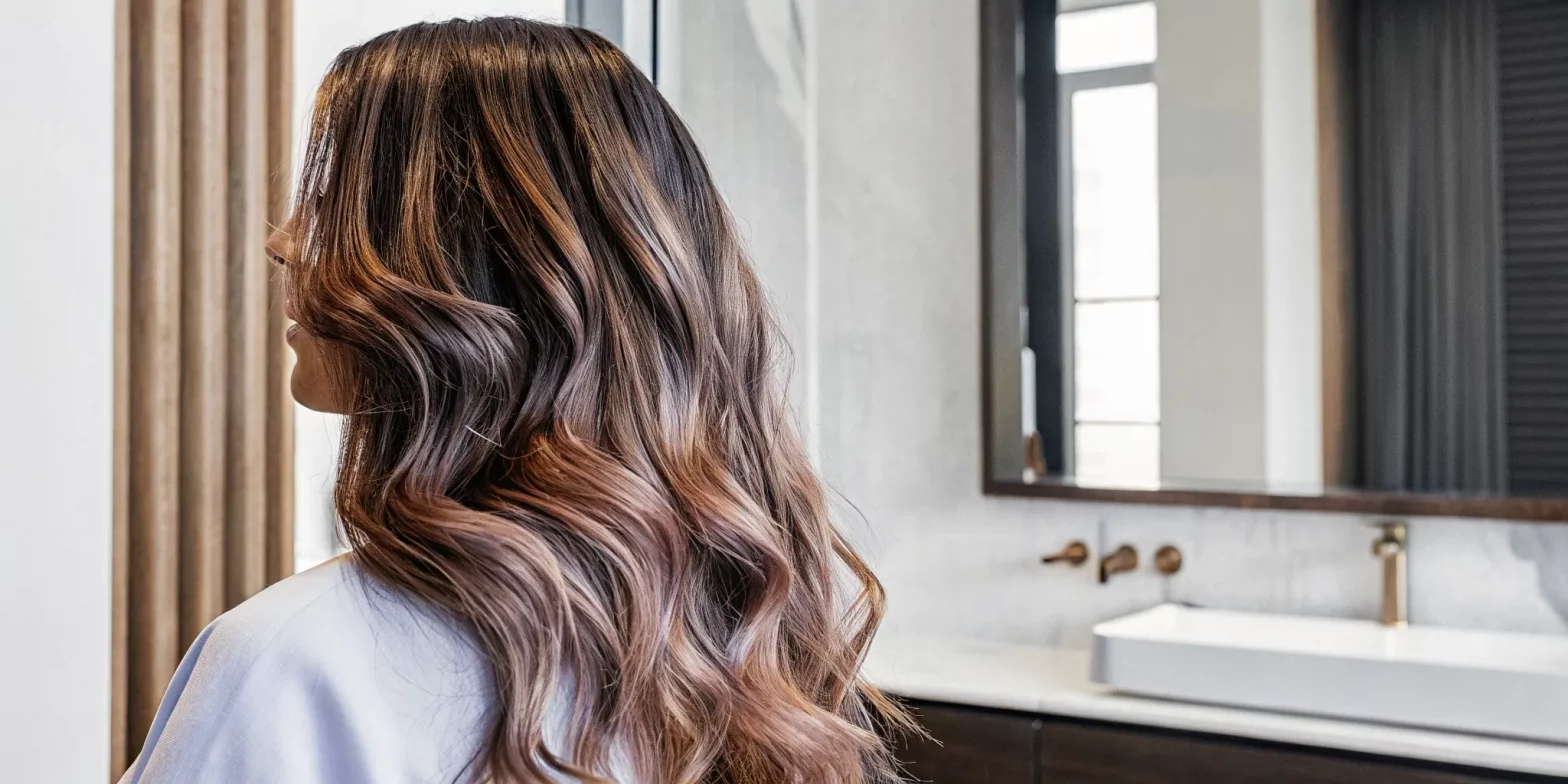
Permanent hair dye causes microscopic damage to the hair surface that grows worse with every single treatment. Maintaining vibrant shine requires a post hair-color repair ritual to protect your strands and lock in moisture.
A post-color hair routine is vital to protect the outer layer of hair after it has been dyed and to help color last longer. Chemical treatments cause the hair to swell and break down, which lets moisture out and makes hair dry. Since the hair surface needs about eight weeks to heal after you color it, a specialized plan is needed to keep it strong. This plan should include washing with cool water and sulfate-free cleansers, plus a weekly deep conditioner with hydrolyzed keratin to fill gaps in the cuticle and restore softness. By keeping the hair at the right pH level and shielding it from heat, you can keep your color bright and your hair healthy between salon visits.
Experience vibrant, healthy color between salon visits with the Solanesse Deep Conditioner Post-Color Revitalizer , your weekly repair ritual for stronger, shinier color-treated hair.
Why does your hair feel different after a color service, and how can a dedicated post-color hair routine protect your investment? We will explore how chemistry impacts your strands and what you can do to maintain Beauty Without Conditions.
Post-color Hair Routine: How Does Color-Treated Hair Differ From Virgin Hair?
When you color your hair, you are not just changing its look. You are changing its structure. Permanent dye uses chemicals to open the outer layer of your hair so the color can penetrate deep inside. This process is necessary for lasting results, but it puts stress on every part of the hair shaft. Without a specialized post-color hair routine, this structural change can lead to dryness and dullness over time.
The Hair Cuticle and Shine
The cuticle is the outer shell of your hair fiber, made of small scales that overlap like tiles on a roof. When these scales lie flat, they reflect light and make your hair shine. Research from the National Institutes of Health confirms that a healthy cuticle is essential for hair health and shine. But permanent dye causes these scales to swell and lift so the color can enter.
This lifting can lead to focal degeneration, where parts of the cuticle break off or detach, exposing the inner cortex. This makes it difficult for hair to retain moisture. With repeated coloring, cuticle damage accumulates with every new dye application. The result is hair that appears dull, feels rough, and is more prone to breakage.
What Is the Cell Membrane Complex?
The cell membrane complex (CMC) acts as the intercellular cement within each hair strand, holding cuticle scales together and binding them to the cortex. Dye treatments strip away the lipids in this essential binding layer. When the CMC is compromised, hair loses elasticity and feels coarse. Most standard conditioners do not address this layer, which is why color-treated hair needs specialized care.
A luxury care regimen works beyond the surface. Studies show that hair needs approximately eight weeks to restore its cuticle structure after permanent dye application. During this recovery window, the hair shaft remains vulnerable to damage from heat, UV exposure, and water. A science-backed post-color hair routine helps protect the CMC and cortex while the cuticle heals.
| Characteristic | Virgin Hair | Color-Treated Hair |
|---|---|---|
| Cuticle structure | Tight, overlapping scales lie flat | Raised scales, focal degeneration common |
| Porosity | Low , resists water absorption | High , absorbs water quickly, loses it fast |
| Moisture retention | Natural sebum layer keeps it hydrated | Stripped of natural oils, prone to dryness |
| Protein integrity | CMC intact, strong cortex | CMC damaged, weakened protein structure |
| pH sensitivity | Tolerates higher pH cleansers | Needs acidic pH to prevent swelling |
| Ideal care approach | Standard shampoo + conditioner | Sulfate-free wash + weekly deep conditioning with keratin and peptides |
This contrast explains why a dedicated plan is essential for color care. Premium products with hydrolyzed keratin and plant-based peptides fill the gaps in the damaged cuticle, helping hair stay strong while it heals. By using a post-color hair routine aligned with hair biology, you can enjoy your color without compromising the health of your strands.
The First 72 Hours: A Critical Window for Lasting Color
The period immediately after leaving the salon is the most critical for your hair’s health. Your hair remains in a fragile state while the color settles and the cuticle begins to close. Following a strict post-color hair routine during this window helps preserve your shade and strengthen your strands.
Protecting Your Shade
Small adjustments in how you sleep and style your hair during the first 72 hours make a significant difference in color longevity.
- Wait at least 48 hours before your first wash. This allows the color molecules to fully settle within the hair shaft. Washing too soon can cause premature fading and uneven color.
- Avoid high heat styling. Your hair is particularly vulnerable to heat damage in the first few days. Skip blow dryers and flat irons for at least 48 hours, as high heat can further damage the lifted cuticle and strip moisture.
- Switch to a silk or satin pillowcase. This reduces friction while you sleep, keeping the cuticle smooth and preventing frizz. It is a simple step that protects your post-color repair ritual.
- Plan your next color appointment. Learning how often you can safely dye your hair without causing permanent damage is essential for long-term hair health. Most stylists recommend waiting six to eight weeks between color treatments. This interval allows the hair shaft to recover its natural structure and prevents cumulative damage.
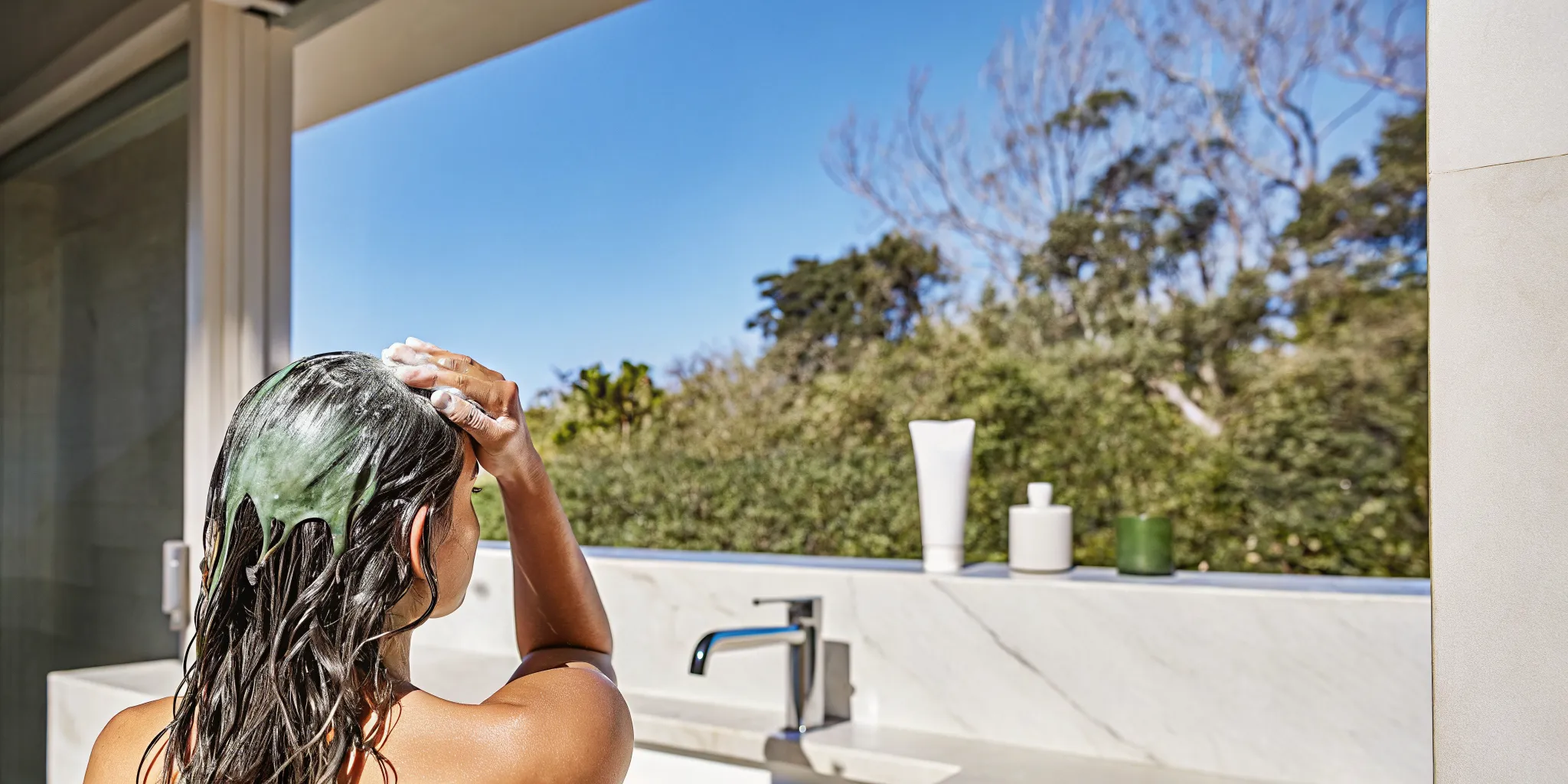
Restoring Hair Health
While external protection matters, internal repair is equally important. Your hair requires time to recover from the chemical process. Research indicates it takes approximately eight weeks for the hair cuticle to return to its pre-color state. Using clean, structure-supporting products is fundamental to luxury hair care.
How to Wash Color-Treated Hair the Right Way
A proper post-color hair routine begins with your washing ritual. The way you cleanse your hair directly impacts how long your color stays vibrant. After a color service, the chemical process has lifted the protective cuticle layer, making your hair more porous and sensitive.
Choose the Right Water Temperature
Water temperature plays a critical role in color retention. Washing with hot water is a common mistake that accelerates fading. High heat causes the hair shaft to expand and the cuticle to lift, allowing color molecules to escape. Cool or lukewarm water is far gentler and helps maintain the integrity of your color.
Cold water acts as a natural sealant for the hair cuticle. A final cool rinse helps close the cuticle, trapping color inside the hair shaft and enhancing shine. Maintaining cuticle integrity is essential for hair that looks healthy and lustrous between salon visits.
The Science of pH Balance and Cleansing
The shampoo you choose either protects or undermines your color investment. Many standard shampoos have alkaline pH levels that cause the cuticle to swell. When the cuticle swells, color molecules leak out more rapidly. Sulfate-free shampoos with a neutral or slightly acidic pH prevent this swelling and keep the cuticle smooth. Using a gentle, sulfate-free cleanser allows you to wash your hair without stripping its natural moisture or color.
Set Your Optimal Wash Schedule
Wash frequency should be tailored to your hair type and sebum production. Those with fine hair may need to wash every two days, while those with thick or curly hair can often go two to three days between washes. For dry or damaged color-treated hair, less frequent washing allows natural oils to coat and protect the hair shaft.
Dry Your Hair with Care
How you dry your hair matters as much as how you wash it. Standard cotton towels can be abrasive on the raised cuticle, causing frizz and breakage. A microfiber towel absorbs water quickly without rough rubbing, helping to keep the cuticle smooth. This simple change in your routine can significantly improve how your hair feels and looks over time.
Does Deep Conditioning Make a Difference for Colored Hair?
Absolutely. A smart post-color hair routine must do more than cleanse. Understanding the keratin repair benefits for color-treated hair can help you choose the right products for your post-color routine. Dyeing compromises the hair structure at multiple levels, which is why deep conditioning is the cornerstone of a weekly care regimen. It delivers the moisture and reinforcement your hair needs to stay soft, strong, and vibrant. Without it, color can appear dull and hair may feel brittle.
How Color Changes Hair Structure
When hair is dyed, the chemical process opens the cuticle layer. While this allows color to penetrate, it also leaves the hair vulnerable. Protein-based conditioners help fill the microscopic gaps left by this process, reinforcing each strand from within and helping the hair retain its new color longer. By sealing the surface, these treatments prevent water-soluble color molecules from washing away too quickly.
The Solanesse Three-Layer Solution
Most products address only the surface of the hair. The Solanesse Deep Conditioner Post-Color Revitalizer takes a comprehensive approach, working on all three structural layers of the hair. It smooths the cuticle for shine, reinforces the cortex for strength, and repairs the cell membrane complex, the intercellular glue that holds hair together. This complete care plan is the centerpiece of any effective post-color hair routine.
The clean, science-backed formula features hydrolyzed keratin and collagen to repair microscopic breaks, plant peptides to restore thickness and fullness, and sunflower oil for deep moisture. This blend of active ingredients delivers a luxury finish with the fresh notes of bergamot and vanilla, creating a spa-like ritual in your own home.
Your Weekly Post-Color Ritual
You can achieve visible results with this post-color repair ritual at home. Use it once a week for 10 to 15 minutes. After shampooing, apply the treatment from mid-lengths to ends, allow it to absorb while you relax, then rinse with cool water to seal the cuticle. This simple weekly habit keeps your color vibrant between salon appointments.
The formula is free from sulfates, parabens, silicones, phthalates, mineral oils, and GMOs. These clean ingredients mean you can color freely and live boldly while your hair repair journey continues in the background. In a customer study, 90% of women noticed visibly healthier hair after just one use. This treatment works across all hair types and color techniques, from subtle highlights to full coverage.
How to Protect Color-Treated Hair from Heat and Environmental Damage
You can protect colored hair from sun damage with these essential tips that preserve your color and prevent environmental fading. Maintaining a vibrant post-color hair routine requires more than the right shampoo. Heat styling and environmental exposure can silently strip your color and weaken your strands. Building a protective barrier against these stressors is essential for long-term hair health.
Managing Heat to Prevent Cuticle Stress
Heat is one of the most common sources of damage for color-treated hair. Styling tools that reach high temperatures can compromise the cuticle and accelerate moisture loss. Research shows that high heat from styling tools reduces the water content within each strand, leaving hair looking dull and feeling rough. Using hot tools on damp hair is particularly risky, as it can cause water to turn into steam inside the shaft. Leading to bubble hair where the cuticle cracks and flakes off.
A heat protectant spray is essential in any luxury hair care regimen. These products create a thermal barrier that limits the impact of high heat on the hair fiber, helping to lock in moisture and prevent cuticle lifting. For best results, keep styling tools at appropriate settings: below 300℉ for fine hair and between 300℉ and 350℉ for normal hair.
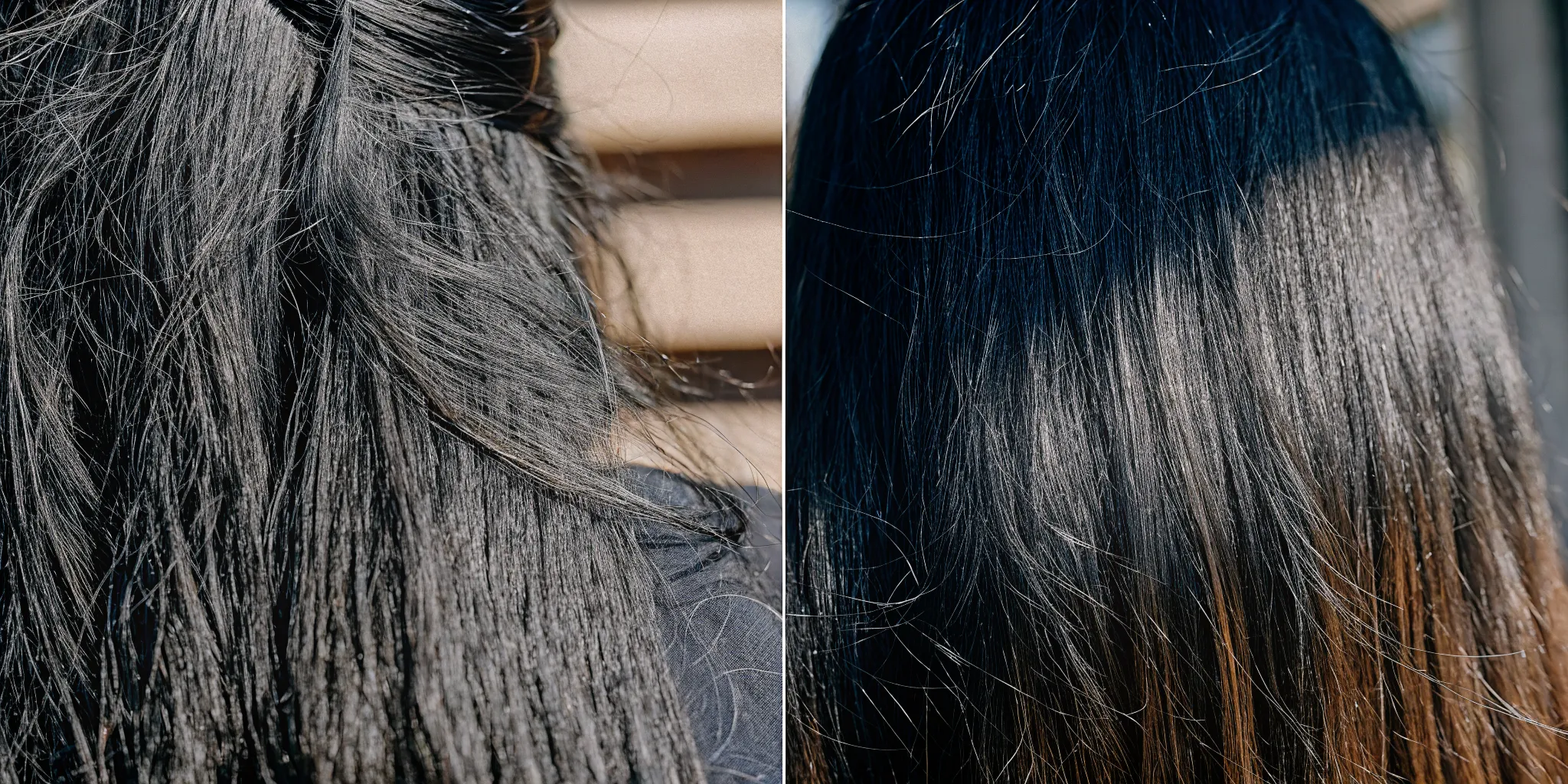
Safeguarding Against UV and Environmental Stress
The sun can be as damaging as a hot styling tool. UV rays break down both the color molecules and the protein structure of each hair fiber. UV light degrades hair dye and protein structure, leaving hair looking washed out and feeling weak. Protecting your hair from the sun is as important as protecting your skin. Use UV-protectant hair products or wear a wide-brimmed hat when spending extended time outdoors.
Environmental stressors like salt water and chlorine pose additional risks to color-treated hair. Before swimming, apply a leave-in conditioner to create a moisture barrier that helps block the absorption of salt or chemicals. Pairing this with science-backed ingredients ensures your hair stays soft and strong. Proper environmental protection is an investment in your color that pays off with lasting vibrancy.
Luxury Habits for Long-Term Shine
Choosing high-quality tools and products is a hallmark of a refined routine. Premium heat styling tools offer better temperature control and more even heat distribution, reducing the risk of hot spots that can burn the cuticle. Make heat and UV protection a consistent part of your daily hair care. When treated with care, your hair will maintain its movement, gloss, and color intensity for weeks between salon visits.
What Does a Weekly Post-Color Maintenance Schedule Look Like?
Knowing the difference between color-safe shampoo vs regular shampoo for maintaining vibrancy helps you choose the right cleanser for your weekly routine.
Following a consistent post-color hair routine helps you strike the right balance between daily care and weekly intensive repair. Your hair needs time to heal after a color service, with research confirming that the cuticle requires approximately eight weeks to return to its natural state. By adopting a clear weekly plan, you support this recovery process and keep your hair looking fresh and luminous.
Protect Your Strands Nightly
Small nightly habits create meaningful improvements in how your hair looks each morning. Friction during sleep is a common cause of breakage and dullness. Switching to a silk or satin pillowcase allows your hair to glide as you move, preventing cuticle abrasion. You can also apply a small amount of natural oil to your ends before bed as a moisture barrier.
The Core Weekly Ritual
Wash your hair two to three times per week using cool or lukewarm water. On wash days, use a sulfate-free shampoo followed by the Solanesse Deep Conditioner Post-Color Revitalizer. Allow the treatment to sit for 10 to 15 minutes before rinsing with cool water to seal the cuticle. This weekly post-color repair ritual delivers the deep nourishment your hair needs to stay soft, shiny, and strong.
Plan for Long-Term Health
Schedule your color appointments six to eight weeks apart to give your hair adequate recovery time. Between salon visits, reassess your product selection and adjust your routine seasonally. The full science-backed ingredients in your care products work best when supported by consistent habits and proper timing.
Frequently Asked Questions
Does washing hair with cold water really help maintain color?
Yes. Cold water helps seal the hair cuticle after washing, which can reduce the rate at which color molecules escape from the hair shaft. The cuticle consists of overlapping scales that can remain lifted after cleansing, particularly when warm water is used. A cool rinse encourages these scales to lie flat, trapping color inside and increasing light reflection for added shine. While cold water alone cannot prevent all fading, it supports the structural integrity of the cuticle when combined with sulfate-free shampoos and regular deep conditioning.
How do you protect colored hair from chlorine?
Before swimming, wet your hair with clean water and apply a leave-in conditioner or a light coating of natural oil. Pre-saturating the hair shaft reduces the amount of chlorinated water it can absorb. After swimming, rinse your hair immediately with fresh water and follow with a sulfate-free shampoo and deep conditioner. For frequent swimmers, a weekly protein-rich deep conditioning treatment is recommended to counteract the drying effects of chlorine exposure.
Is it normal for hair to feel dry after coloring?
Yes. Temporary dryness is a normal response to the chemical process of hair coloring. Permanent and demi-permanent dyes work by opening the cuticle to deposit color, which disrupts the natural lipid barrier and allows moisture to escape. This typically resolves within a few washes as the cuticle begins to re-seal. A dedicated post-color hair routine with moisturizing shampoos and weekly deep conditioning accelerates this recovery process and helps restore softness and shine.
Can you dye your hair again if it is damaged?
Dyeing hair that is already damaged increases the risk of breakage, uneven color absorption, and further cuticle deterioration. It is generally recommended to wait until the hair shows signs of recovery, such as improved elasticity and reduced porosity, before applying another chemical treatment. A focus on deep conditioning with hydrolyzed keratin and plant peptides can help restore the hair structure over several weeks. If color correction is necessary, consult a professional stylist who can assess your hair’s condition and recommend the gentlest approach.
How often should I use a deep conditioner on color-treated hair?
For color-treated hair, deep conditioning once per week is the standard recommendation. This frequency provides consistent reinforcement of the weakened cuticle and replenishes moisture lost during the coloring process. If your hair is severely dry or damaged, you may benefit from using a deep conditioner twice per week for the first month. Then reducing to weekly maintenance once the hair’s condition improves.
Ready to start your science-backed post-color hair repair ritual?
Your hair tells the story of how you care for it. With the right post-color hair routine, you can color freely and live boldly while your strands stay strong, shiny, and healthy. The Solanesse Deep Conditioner Post-Color Revitalizer is designed to work with your hair’s natural biology, delivering visible results at every stage of your color journey. Experience the difference that a clean, science-backed approach makes. Order your first treatment today with free U.S. shipping and a 30-day satisfaction guarantee for first-time buyers.


