


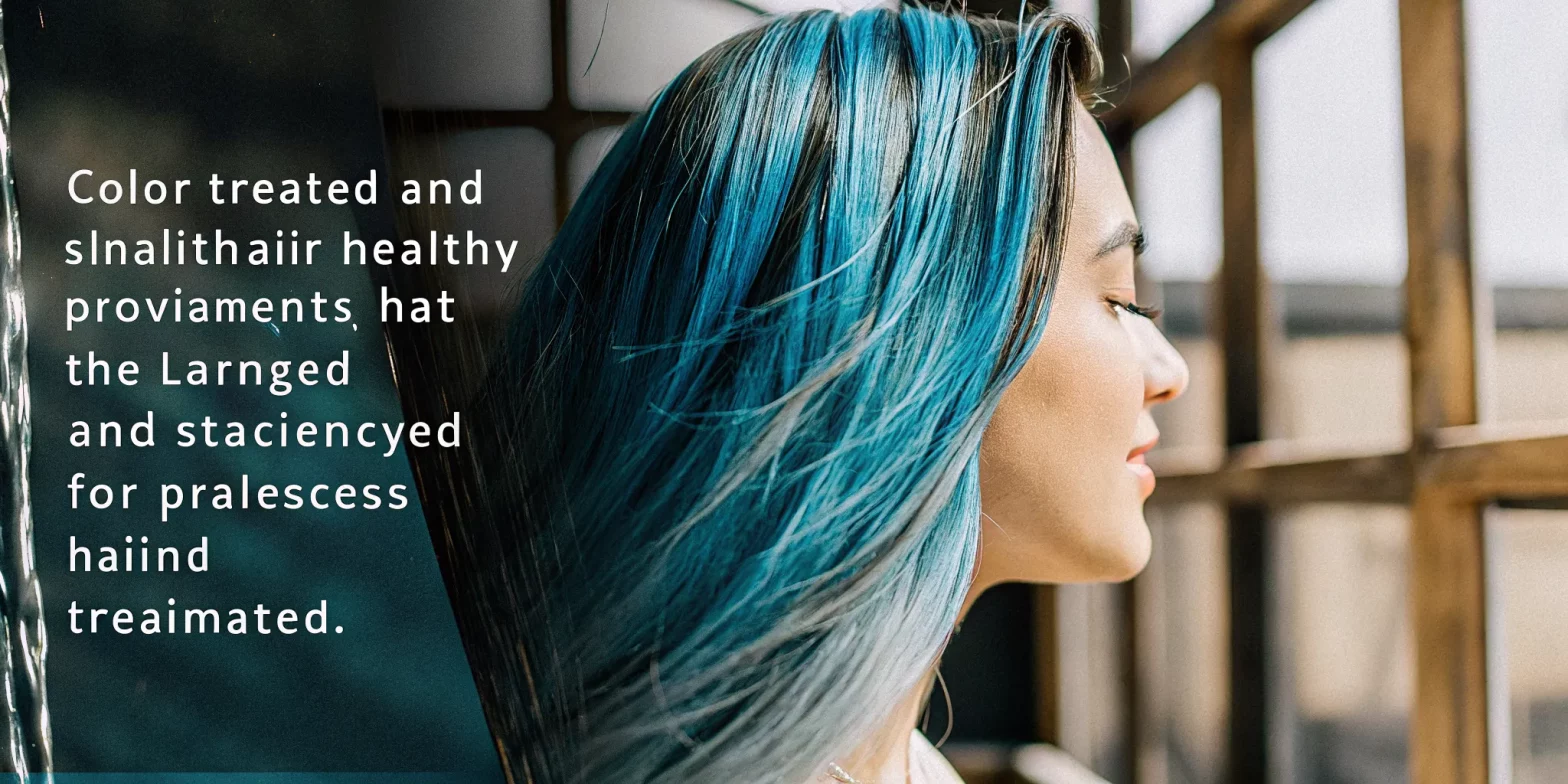
Gummy strands that stretch and snap when wet signal a breakdown of your hair’s internal structure. This shift often follows color treatments that strip the cuticle and weaken the fiber. You do not have to choose between vibrant color and hair health.
Post-color hair porosity is a state where the hair fiber can no longer retain vital moisture or protein because chemical dyes have stripped its natural protection. This condition occurs when dye treatments damage the outer cuticle, leaving the inner layers exposed and very weak to the daily elements. Based on research on hair structure, coloring can damage every layer, including the cuticle, the inner cortex, and the cell membrane complex. When these layers break down, your hair may feel gummy when wet or become brittle because it lacks the internal barriers to lock in health. Fixing this needs a ritual that seals the cuticle and replaces lost proteins to keep your hair strong and vibrant.
While the signs of damage are clear, many women struggle to find a solution. You might wonder how a single color session can change your hair so much. To help you regain control, we will start by looking at the science. First, we must answer What Is Post-Color Hair Porosity? and the journey starts as we define
What Is Post-Color Hair Porosity?
Post-color hair porosity is a state where your hair cannot hold on to moisture or protein. This happens because the dye process changes the outer layer of each strand. When you color your hair, the dye must get inside the fiber to change the shade. To do this, it forces the cuticle to lift and open wide. This change in structure leads to post-color hair porosity that leaves hair weak and dry.
How dye affects the hair layers
In healthy hair, the cuticle scales lie flat like shingles on a roof. This smooth surface keeps moisture locked inside the hair shaft. But color treatments strip away the lipids that keep these scales closed. Research shows that coloring damages the hair’s full structure, including the cuticle, the cortex, and the cell membrane complex that acts as the glue for each fiber (Solanesse). Once this glue is gone, the cuticle stays raised and can no longer protect the hair.
A raised cuticle makes the hair act like a dry sponge. It may soak up water very fast when you wash it, but it cannot keep that water inside. This quick loss of moisture is why porous hair often feels rough to the touch even after you use a regular conditioner. Over time, a stripped cuticle leads to a loss of protein and natural oils, which makes the hair look dull and lose its shine (Solanesse).
Signs of high porosity after color
You can often tell if you have high porosity by how your hair feels and acts when wet. Since the dye process opens the hair structure, water moves in and out of the strand too fast. This often results in hair that feels gummy or limp when it is damp. When the hair is dry, those same strands may feel brittle and prone to tangles. These signs show that the hair structure is not intact and needs help to seal the cuticle once again.
High porosity also impacts how your color looks and lasts. Because the holes in the cuticle are so large, the dye molecules can wash right out of the hair shaft. This leads to fast fading and a lack of bright color just a few weeks after your salon trip. Fixing the porosity of your hair is the only way to keep your color looking fresh while restoring the natural strength and feel of each strand.
How Hair Dye Changes Your Hair’s Structure
Permanent hair color is a bold way to show your style. While the new shade looks bright, the dye process changes your hair on a deep level. To let new pigment in, the dye must first break through the natural defenses of the hair. This shift often leads to high post-color hair porosity as the fibers lose their power to hold onto moisture and proteins. If you bleach your hair, a dedicated post-bleach recovery ritual for severely damaged hair can help restore structural integrity.
Lifting the protective cuticle layer
The first step in any permanent dye job involves opening the cuticle. The cuticle is the outer layer of scales that protects the inner core of each hair strand. In a healthy state, these scales lie flat and smooth. Alkaline agents like ammonia lift these scales so the color bits can enter the hair shaft. However, this process leaves the hair fiber weak to the outside world.
Scientific research shows that cuticle damage is visible after just one dyeing session. While the first treatment causes some harm, the impact grows with more color. Experts note that the damage scales up fast after three or more sessions. When the cuticle stays open or gets stripped away, the hair feels rough. It can no longer keep water inside, which leads to a dry and dull look.
Enters the cortex and protein loss
Once the dye passes the cuticle, it enters the cortex. The cortex is the middle layer where your hair gets its strength and natural color. Here, the chemicals react with your melanin to change the shade. This reaction does more than change your look; it also alters the chemical makeup of the hair fiber. The dye process breaks the bonds that give hair its shape and bounce.
Studies have found that dyes break down protein structures within the cortex. This loss of protein makes the hair feel weak and thin. Without a strong core, the hair loses its natural stretch and snaps more easily. This internal change is a major part of why hair feels so different after a color service. The hair becomes like a sponge that takes in water fast but cannot hold it.
Repeated shifts in hair shape
Each time you color your hair, the structural shifts add up. Repeated dyeing causes damage that builds up in hair fibers across multiple layers. This includes changes to the hair’s shape and how it handles physical stress. Over time, the hair becomes more porous because it lacks the proteins and fats needed to seal itself. This damage affects the chemical makeup of the hair, making it harder to style and manage.
- The hair fiber loses its natural fats and protective oils that keep it soft.
- Structural proteins like keratin wash away through gaps in the lifted cuticle scales.
- The cell membrane complex, which acts as the “glue” for hair layers, starts to fail over time.
- Hair becomes more prone to tangling as the rough cuticle layers snag on each other.
Knowing these shifts is the first step toward better care for your hair. While dye changes the hair structure, the right tools can help you manage ingredients for porous hair well. By focusing on whole-structure repair, you can enjoy your color while keeping your hair strong and soft. Choosing products that fill these structural gaps can restore the health and shine of your locks.
Why Porous Hair Feels Gummy When Wet and Brittle When Dry
Porous hair often feels like it has two lives. When it is wet, the hair may feel soft, mushy, or gummy to the touch. Once it dries, that same hair turns stiff, rough, and brittle. This cycle is a clear sign of high porosity. It shows that the structure of your hair has changed after coloring. The way your hair holds and loses water tells the story of its health.
The gummy feel of wet porous hair
When your hair is wet and feels gummy, it usually means the inner layer has deep damage. This inner layer is the cortex. It gives your hair its strength and stretch. High post-color hair porosity lets too much water enter the hair shaft. This water causes the hair to swell and stretch. Without a strong core, the hair loses its snap and feels like wet elastic.
This gummy state is a sign that the hair has lost its bounce. Research shows that chemical dyes can break down the protein inside the hair fiber. This loss of protein makes the hair weak. Data from the National Institutes of Health shows that dyeing agents can cause this breakdown. When the cortex is this weak, the hair can snap or tear when you brush it.
Why high porosity leads to brittle dry hair
The same gaps that let water in also let it out far too fast. Healthy hair has a flat, tight cuticle layer that seals in moisture. In porous hair, the cuticle is stripped or raised. This lets moisture and vital proteins leak out as the hair dries. Without these oils and proteins, the hair becomes stiff and loses its shine. It feels like straw because it cannot hold onto the hydration it needs.
Dry, brittle hair is very prone to split ends and breakage. This happens because the hair lacks the glue that keeps its layers together. This glue is the cell membrane complex. When color treatments damage this complex, the hair loses its smooth feel. Using a keratin treatment for porous hair can help fill these gaps. By adding protein back into the hair, you can stop the cycle of moisture loss.
Managing the cycle of damage
Living with hair that shifts from gummy to brittle is a challenge. This cycle is the hallmark of hair that has seen many color sessions. Each dye job can add to the damage if you do not use the right care. To fix this, you must treat all three layers of the hair. You need to repair the outer cuticle, the inner cortex, and the cell membrane complex. This full repair is the only way to restore the balance of your hair.
How to Test Your Hair Porosity at Home
You can find your hair’s porosity level with simple tests at home. Knowing your type helps you pick the best products for your hair. This is very helpful for post-color hair porosity. Strong dyes can change how your hair handles water and oils. Research shows that dyeing causes long-term damage to hair fibers. These tests will show if your cuticles are open or closed.
Float test for quick results
The float test is a common way to check hair health. It shows how fast your hair drinks in water. High porosity hair has gaps in the outer layer. These gaps let water in quickly, which makes the hair sink. Low porosity hair has tight layers that keep water out. This hair will stay on top of the water for a long time.
- Start with a clean and dry strand of hair. Do not use hair that has oils or leave-in creams on it.
- Fill a clear glass with room-temp water. Do not use hot or cold water for this test.
- Drop the hair strand into the glass. Watch it for about two to four minutes to see what happens.
- Check the result of your test. If the hair sinks to the bottom, you have high porosity hair.
- Look at the middle of the glass. If the hair stays there, you have medium porosity.
- Notice if the hair stays on top. If it floats after four minutes, you have low porosity hair.
Slip test for hair texture
The slip test helps you feel the state of your hair’s outer layer. This layer is called the cuticle. In healthy hair, the cuticle stays flat and smooth. In damaged or porous hair, the cuticle scales stick up. This makes the hair feel rough or bumpy when you touch it.
To do this test, take a single strand of dry hair. Hold the tip of the hair with one hand. Use your other hand to slide your thumb and finger up the strand. Move from the tip toward the root. If it feels smooth, your cuticles are flat. If it feels bumpy, your hair is likely porous and needs extra care. You should look for ingredients for porous hair to help smooth these scales.
If your tests confirm high porosity, you may wonder how to fix damaged hair after coloring and restore its natural strength and shine.
Spray test for water soaking
The spray test shows how your hair takes in water. This is a great way to see how your daily routine affects your hair. High porosity hair will soak up water fast. Low porosity hair will push the water away at first.
Mist a small section of dry hair with a spray bottle. Watch how the water drops sit on the surface. If the water beads up and stays there, you have low porosity. If the hair gets wet and heavy right away, it is high porosity. Knowing this helps you choose the right oils and creams to keep your hair healthy and bright.
How to Restore Post-Color Hair Porosity
To fix hair that feels like a sponge, you must do more than just add moisture. You need to repair the whole structure of each strand. High porosity means your hair has holes in its outer layer. This lets water in too fast but lets it out just as quick. This cycle leaves your hair dry, brittle, and prone to snaps. To stop this, you need a plan that fills those gaps and seals the hair shut.
Restoring your hair is about more than a quick coat of oil. It needs the right tools to fix what the dye took away. When you color your hair, the chemicals open the layers. If they do not close back up, your hair stays porous. You can move from worry about damage to pride in your style. With the right ritual, you can repair fully and live boldly.
Fill Gaps with Keratin
The outer part of your hair is the cuticle. It looks like scales on a fish. When you dye your hair, these scales can lift, crack, or break off. This creates the holes that lead to high porosity. Using a keratin treatment for porous hair can help. Keratin is a tough protein that your hair is already made of.
Hydrolyzed keratin works by filling the small gaps in your hair’s surface. It acts like a patch for a leaky roof. This helps your hair hold onto the things it needs to stay healthy. Research shows that hair dye can break down protein structures within the fiber. Adding keratin back helps make the surface smooth and strong again. This stops the “sponge effect” and keeps your color looking bright.
Build Strength from Within
The middle of your hair is the cortex. It gives your hair its strength and its stretch. If the cortex is weak, your hair may feel gummy or break when you brush it. Collagen is a key part of fixing this. It supports the inner part of the strand to keep it from snapping.
While keratin works on the outside, collagen helps from the inside. It adds a layer of support. When you use ingredients for porous hair like collagen, you give your hair the tools to stay tough. Your hair also has a natural “glue” called the cell membrane complex. Plant-based peptides help keep this glue strong. They strengthen the bonds between the layers of your hair. This makes each strand solid and whole.
A Simple Repair Ritual
Fixing your hair should not be a chore. You do not need a five-part system to see results. The Solanesse Deep Conditioner Post-Color Revitalizer for comprehensive porosity repair is a single-step rinse-out treatment. It takes just 10 to 15 minutes. This simple act can change how your hair feels and looks. You can use it at home to get salon-grade care without the wait.
Once the inside is fixed, you must seal it. Sunflower oil is a great choice for this. It creates a thin shield over the cuticle. This shield keeps moisture inside where it belongs. It also adds a nice shine. The mix is clean and safe. It is free from sulfates, parabens, and silicones. It has no phthalates, mineral oils, or GMOs. This means you get luxury results that work for you. It is a smart way to get the hair you want.
Why Whole-Structure Repair Matters More Than Bonds Alone
Most popular products focus on just one part of the hair: disulfide bonds. These bonds give hair strength, but they are only one piece of the puzzle. Dyeing your hair changes its shape and its chemical makeup. If you only fix the bonds, you leave other layers open to loss of water and protein. This can lead to post-color hair porosity that makes your strands feel dry or weak.
The limits of bond repair
Bond builders work in the cortex to fix broken links. This helps stop hair from snapping, but it does not fix the outer shield. Facts show that coloring damages the hair’s complete structure. This includes the cuticle, the cortex, and the cell membrane complex or CMC. According to Solanesse, the CMC acts as the glue that holds these layers together. Without a healthy CMC, hair cannot stay soft or smooth.
Many bond systems are also hard to use. They often need three or more steps that you must do before, during, and after you dye your hair. This takes time and can feel like a chore. If you miss a step, you may not get the full effect. For busy people, a faster way to healthy hair is often better.
How whole-structure repair works
Understanding bond repair versus whole-structure repair for color-treated hair helps you choose the right approach. A whole-structure hair repair ritual works on every layer at once. Instead of just fixing bonds, it heals the cuticle and the CMC too. This creates a full seal that keeps protein inside the hair. Studies in the National Library of Medicine show that dyeing your hair many times causes deep damage. A full repair helps fix these effects and brings back a natural feel.
| Approach | What It Repairs | Format | Timing |
|---|---|---|---|
| Bond Only | Disulfide bonds in the cortex | Multi-step system | Before, during, and after color |
| Whole Structure | Cuticle, cortex, and CMC | Single-step ritual | 10 to 15 minutes post-color |
A simpler way to healthy hair
You do not need a long routine to get results. By using a single-step ritual, you can fix damage without the stress of a big system. This way fills gaps and smooths the outer layer in one go. It works for all hair types and fits easily into your day. When you care for the whole structure, your hair stays strong and soft for longer.
Frequently Asked Questions
How does high porosity affect how fast hair color fades?
When your hair is too porous, it cannot hold onto color. The gaps in the cuticle allow dye to wash out quickly. This causes your shade to look dull and faded after only a few washes. Research shows that repeated dyeing sessions make this problem worse by opening the cuticle even wider. You must seal these gaps to keep your color vibrant for a longer time.
Can you reverse hair porosity damage from chemical dyes?
You can restore healthy structure to your hair, but you must treat the whole fiber. Most products only fix bonds. True repair needs to focus on the cuticle, the cortex, and the cell membrane complex. According to experts at Solanesse, the cell membrane complex acts as the glue that holds your hair together. Using a deep treatment can help fill these gaps and make your hair feel strong and smooth again.
What ingredients help repair porous hair after coloring?
Look for ingredients that mimic the natural parts of your hair. Hydrolyzed keratin and collagen are key because they fill in the holes in a damaged cuticle. Plant peptides also help by adding strength to the inner cortex. Scientific studies in PMC show that these proteins help fix the damage caused by dyeing agents. Avoid products with silicones or mineral oils, as these only coat the hair without fixing the real issues.
How long does it take to restore healthy hair porosity?
You can see a change in your hair texture after just one use of a high-quality treatment. Most people notice that their hair feels softer and looks more shiny right away. However, deep repair to the inner structure usually takes about 10 to 15 minutes per session. Consistent use helps maintain the cell membrane complex and keeps the cuticle smooth. This process prevents the gummy feel that often happens after coloring.
Are you ready to restore your hair’s natural porosity and strength?
Leaving your hair in a porous and brittle state after coloring leads to deep protein loss and strands that snap easily and look dull today. You do not have to wait for months or settle for hair that feels like straw when you can finally start your repair ritual today. Starting your repair ritual today stops the cycle of damage and helps your hair hold on to moisture it needs to stay soft and strong.
Ready to request your treatment? We are here to help you see the best results for your lovely hair today. Request your Deep Conditioner Post-Color Revitalizer to restore your hair’s natural porosity and strength.


