


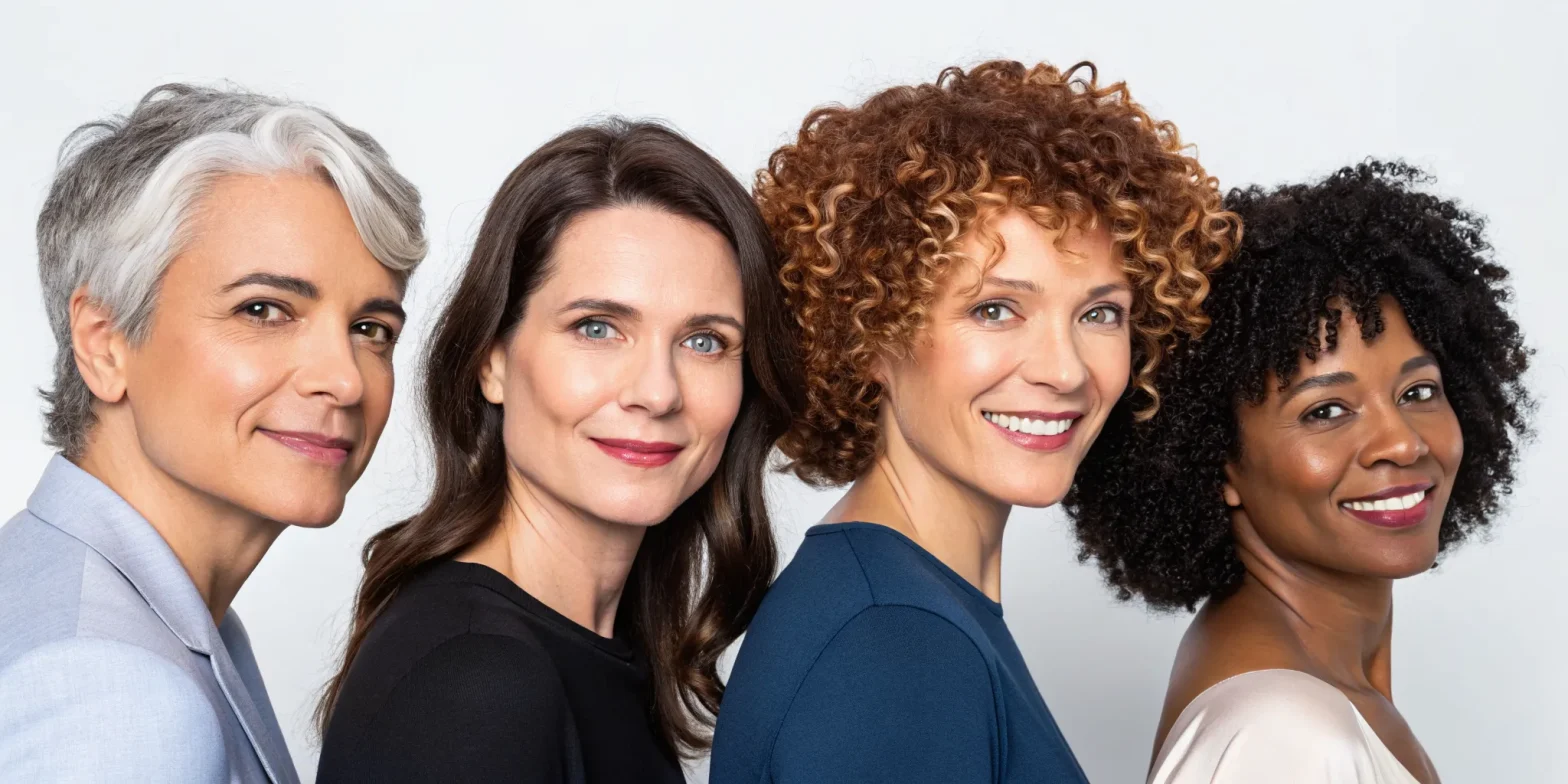
We all have a folder of dream hair photos saved on our phones. The real challenge is turning that inspiration into a reality that you love waking up with every day. How do you know if that trendy copper will flatter your skin tone? What’s the real difference between ombre and balayage? Finding your perfect shade involves a little self-discovery. By considering your lifestyle, your natural base, and the upkeep you’re ready for, you can narrow down the vast world of hair colors to find your ideal match. Let’s walk through the steps together to find a color that not only looks incredible but feels completely right for you.
Key Takeaways
- Choose color based on your features, not just trends: Your most flattering hair color will complement your skin’s undertone (warm, cool, or neutral). This ensures the shade enhances your complexion and looks intentional, rather than washing you out.
- Consider the upkeep before you commit: Be honest about the maintenance you’re willing to do. A subtle balayage offers a graceful grow-out, while vibrant fantasy shades require frequent salon visits and diligent at-home care to stay fresh.
- Make deep conditioning your post-color ritual: Coloring leaves hair porous and in need of repair, so a weekly deep conditioning treatment is essential. Look for products with reparative ingredients like keratin and collagen to rebuild the hair’s internal structure, restoring strength and shine from within.
Natural, Fashion, Fantasy: The Main Types of Hair Color
Thinking about a new hair color is exciting, but it can also feel a little overwhelming with so many options. To make it simpler, you can group most hair colors into three main families: natural, fashion, and fantasy. Each one offers a different way to express yourself, from a subtle, sun-kissed glow to a head-turning work of art.
Whether you’re looking to enhance what you already have, make a bold statement, or step into a completely new persona, understanding these categories is the first step. Your choice will influence everything from the coloring process and the products you’ll need to your daily maintenance routine. Let’s walk through what defines each type so you can find the perfect fit for your style and lifestyle.
Natural Shades
Natural shades are the classics for a reason. This category includes all the beautiful colors you see occurring naturally: black, brown, blonde, and red. Within each of these, there’s a whole world of variety. Black can range from a soft, natural black to a striking jet black. Brown is incredibly versatile, with shades like rich espresso, warm chocolate, and light caramel. Blondes vary from deep, sandy tones to bright platinum, while reds can be anything from a deep burgundy to a fiery copper. The best shade for you often depends on your skin’s undertone (warm, cool, or neutral) and how much maintenance you’re ready to commit to.
Fashion Shades
If you’re looking to make a statement, fashion shades are for you. These are the colors that don’t typically grow from anyone’s head naturally. Think of vibrant or pastel dyes across the entire rainbow, like electric blue, bubblegum pink, soft lavender, or deep emerald green. To get these hues to look their best, your hair almost always needs to be pre-lightened, or bleached, first. This creates a blank canvas so the color can show up bright and true. Fashion shades are perfect for anyone who sees their hair as a form of self-expression and isn’t afraid to stand out from the crowd.
Fantasy Shades
Fantasy shades take the creativity of fashion colors one step further. While they also include vibrant and pastel tones, this category is all about artistic and imaginative application. Think of multi-dimensional mermaid hair, galaxy-inspired blends, or holographic effects that seem to shift in the light. Just like fashion colors, these looks require a lightened base to deposit the color properly, which means bleaching is a must. Fantasy shades are for those who want to turn their hair into a true masterpiece and showcase a unique, creative vision.
The Science Behind Your Natural Hair Color
Ever wonder what gives your hair its unique, natural shade? Whether you were born with deep brunette, fiery red, or bright blonde locks, the answer lies in a single type of pigment called melanin. Understanding the science of your base color is the first step to understanding how hair color works and, more importantly, how to care for your hair after you’ve colored it.
Your hair color is determined by the specific type and amount of melanin produced in your hair follicles. Think of it as your personal color formula, created by your genes. This natural canvas is what hair stylists work with, and it’s what chemical processes alter to achieve a new look. Knowing your starting point helps you and your colorist make the best choices for your hair’s health and vibrancy.
What Is Melanin?
At its core, your hair color comes down to two types of natural pigments, both of which are forms of melanin. These pigments live inside the hair shaft and are produced by cells called melanocytes. The specific blend you have is determined by your genetics.
The two types of melanin are eumelanin and pheomelanin. Eumelanin is responsible for black and brown shades; the more eumelanin you have, the darker your hair will be. Pheomelanin creates red and yellow tones. The beautiful spectrum of human hair color is simply the result of the ratio between these two pigments in your hair.
Black Hair
Black hair contains the highest concentration of eumelanin, making it the darkest and most common hair color globally. It’s especially prevalent among people of Asian and African descent. Because it’s so rich in pigment, black hair is incredibly reflective and has a beautiful, high-gloss shine. In certain lighting, the density of the pigment can even give it a subtle blue or violet undertone. This richness of pigment also means that lifting it to a lighter shade requires a more intensive process, making post-color repair essential.
Brown Hair
Brown hair is the second most common shade and offers a huge range of tones, from light, sandy brown to deep, dark chocolate. Like black hair, its color comes from eumelanin, but just in lower concentrations. The specific type of eumelanin (black or brown) and the subtle presence of red-toned pheomelanin create its diversity. For example, a reddish-brown shade like chestnut has a slightly higher ratio of pheomelanin mixed in, giving it that warm, vibrant quality that so many people love.
Blonde Hair
Natural blonde hair occurs when there are very small amounts of both eumelanin and pheomelanin. The exact shade depends on which pigment is slightly more present. A touch more pheomelanin results in warmer, golden or “strawberry” blonde tones, while a bit more eumelanin leads to cooler “ash” or “sandy” shades. Because blonde hair has less pigment overall, the strands are often finer and can be more susceptible to damage from UV rays and chemical processing, which is why deep conditioning is so important.
Red Hair
As the rarest natural hair color in the world, red hair is found in only about 1-2% of the population. It’s the result of hair cells producing almost entirely pheomelanin with very little eumelanin. This genetic trait is most common in Northern and Western Europe, with Scotland and Ireland having the highest percentages of redheads. From bright copper to deep auburn, red hair’s vibrancy comes from its unique pigment composition, which can also make it fade faster after color treatments.
Gray and Silver Hair
Contrary to what many believe, gray hair isn’t caused by a gray pigment. It’s what happens when the melanocyte cells in your hair follicles stop producing melanin altogether. As production slows with age, new hairs grow in without pigment. These transparent strands appear gray or white because of the way light reflects off them. This natural process can begin as early as your 20s or 30s. Embracing your silver strands or blending them with color are both beautiful options, but either way, the changing texture of graying hair often requires extra moisture and strength.
What Really Happens When You Color Your Hair?
Changing your hair color is one of the most exciting ways to express yourself, but it’s natural to wonder what’s actually happening to your strands during the process. We’ve all heard the horror stories, but getting a new color doesn’t have to mean sacrificing the health of your hair. When you understand the science behind the salon chair, you can make smarter choices and give your hair the exact care it needs to stay strong and vibrant. Think of it as becoming your own hair health advocate. Knowing the process from start to finish empowers you to ask the right questions and build a routine that keeps your color-treated hair looking and feeling its absolute best.
How Dyes and Bleach Alter Your Hair’s Structure
So, how does your hair go from brunette to blonde or from blonde to copper? It’s a fascinating bit of chemistry. Your hair strand is protected by an outer layer called the cuticle, which looks like overlapping scales. For permanent color to work, the formula needs to get past this layer. An alkaline agent, often ammonia, lifts these scales, creating an opening. Then, an oxidizer like peroxide goes in and lightens your hair’s natural pigment (melanin). Once the natural color is lifted, the new color molecules are deposited deep within the hair shaft. The cuticle then closes back down, sealing in your new shade.
The Truth About Hair Color and Damage
Let’s clear the air on a few common fears. Many people believe that coloring your hair automatically leads to frizz and breakage. While the chemical process is intensive, damage is not a given. A knowledgeable stylist will always perform a consultation to make sure your hair is healthy enough for the service you want. Another widespread concern is hair loss. The good news is that hair color itself does not cause hair to fall out from the root. If you experience more shedding or breakage after an appointment, it’s a sign that your hair is thirsty for moisture and protein to restore its strength, not a sign of permanent loss.
Why Color-Treated Hair Requires Special Care
After coloring, your hair has been through a significant transformation, and its needs change. The process of lifting the cuticle can leave it slightly raised, making your hair more porous than before. This increased porosity is why color-treated hair can sometimes feel dry or lose its vibrancy faster than you’d like; it absorbs and releases moisture (and color molecules) more easily. This is precisely why a dedicated after-care routine is non-negotiable. Using products specifically formulated for color-treated hair will help seal the cuticle, lock in your shade, and replenish lost moisture. A weekly deep conditioner with restorative ingredients can rebuild your hair’s strength from the inside out.
From Balayage to Money Pieces: Popular Coloring Techniques
Walking into a salon with a photo is a great start, but knowing the language of hair color can help you and your stylist get on the same page to create your perfect look. From subtle shifts to bold statements, each coloring technique offers a unique result. Understanding the difference between balayage and highlights, or ombre and color melting, is the first step to getting the exact hair you’re dreaming of. Once you know what to ask for, you can work with your colorist to tailor the technique to your hair type, base color, and personal style. Let’s break down some of the most popular options you’ll see.
Highlights and Lowlights
This is the classic way to add dimension to your hair. Highlights involve weaving in strands of a lighter color to brighten your overall look, while lowlights use darker shades to add depth and richness. You can opt for a full head of foils for a dramatic change or partial foils to subtly enhance your natural color. When done well, this technique creates a beautiful, multi-tonal effect that never goes out of style. The key is to find the right balance between light and dark to complement your base color and skin tone.
Balayage
If you want that effortless, sun-kissed glow, balayage is your answer. This French technique involves your stylist hand-painting color or lightener directly onto your hair. The result is a soft, natural-looking gradient with darker roots and lighter ends, mimicking how your hair might lighten after a summer spent at the beach. Because it’s painted on, there are no harsh lines, which means the grow-out process is incredibly graceful. It’s a fantastic low-maintenance option for a beautifully blended and dimensional look.
Ombre and Sombre
Ombre and its softer cousin, sombre, are all about a gradient effect. A traditional ombre features a more distinct transition, often from a dark root to a much lighter end. It’s a bold, two-toned style that makes a definite statement. Sombre, on the other hand, is a “soft ombre.” The transition between colors is much more subtle and blended, offering a gentler, more natural-looking fade. Both are great ways to play with color without the commitment of an all-over change, and you can see how the subtle differences create distinct styles.
Color Melting
Think of color melting as the next evolution of ombre and balayage. This technique seamlessly blends multiple shades from root to tip. Your stylist uses two or more colors, artfully blending them together so you can’t tell where one color ends and the next begins. The final effect is a smooth, melted transition that looks incredibly natural and multi-dimensional. It’s perfect for anyone who wants a complex, vibrant color that avoids any harsh lines or obvious transitions, creating a truly customized hair color.
The Money Piece
For maximum impact with minimal commitment, look no further than the money piece. This technique involves adding a bright, face-framing highlight to the very front sections of your hair. It’s designed to catch the light and draw attention to your face, brightening your complexion and making your eye color pop. It can be added to almost any hairstyle or existing color, from a dark brunette base to a full head of highlights. The money piece trend is a quick and easy way to refresh your look without a full color service.
Split Dye and Two-Tone
For the bold and adventurous, split dye and two-tone hair are the ultimate forms of self-expression. A split dye involves coloring your hair in two different shades, parted right down the middle. Two-tone hair can take many forms, from a brightly colored underlayer peeking out from beneath a natural shade to chunky, contrasting panels of color. These styles are all about making a statement and having fun with your look. You can go for a high-contrast combination or choose two complementary fantasy shades for a truly unique result.
The Hair Color Trends Everyone Is Asking For
If you’re anything like me, you have a folder on your phone dedicated to hair inspiration. Seeing what’s new and popular is a fantastic way to get ideas for your next salon visit. While you should always choose a color that makes you feel like your best self, trends can be a great starting point for a conversation with your stylist. From rich, warm tones to soft, low-maintenance blondes, here are the looks everyone is talking about right now.
Warm Brunettes and Coppers
There’s something so inviting about warm, rich hair color. This year, it’s all about leaning into deep, dimensional shades that feel both luxurious and a little fiery. Think of colors like cinnamon, rich auburn, and the viral “cowboy copper” that blends classic brunette with warm reddish tones. These colors are perfect for adding vibrancy and depth to your hair, making it look expressive and full of life. They catch the light beautifully and can give your complexion a gorgeous, warm glow. It’s a sophisticated way to wear red that feels both bold and completely natural.
Lived-In Blondes
High-maintenance, one-dimensional platinum has taken a backseat to a much softer, more effortless look. The lived-in blonde trend is all about creating a natural, sun-kissed effect that doesn’t require constant touch-ups. This style typically features a slightly darker root that seamlessly melts into lighter ends, mimicking how your hair would lighten naturally after a summer at the beach. It’s the perfect option if you want to be blonde without committing to a salon visit every six weeks. The grow-out is graceful, and the overall vibe is relaxed, chic, and beautifully blended.
Bold Fashion and Fantasy Hues
For those who love to make a statement, bold and fantasy colors are your playground. This trend is all about self-expression, whether you opt for soft pastel perfection or a vibrant, unconventional shade. We’re seeing everything from dreamy lavender and peach to electric blue and magenta. These colors are undeniably fun, but they do require a bit more commitment. Your stylist will likely need to lighten your hair significantly to get a true-to-tone result, and you’ll need a solid at-home care routine to keep the color from fading. It’s a beautiful way to wear your creativity.
Embracing Gray and Silver
What was once something to cover up is now a celebrated and sought-after look. More and more women are choosing to embrace their natural grays, while others are heading to the salon to get the perfect shade of silver or oyster gray. This trend is chic, modern, and incredibly empowering. Whether you go for a full head of silver or have your stylist blend your grays with highlights and lowlights for a “salt and pepper” effect, the key is keeping the tone bright and the hair healthy. The right care prevents yellowing and ensures your silver strands shine.
Dimensional and “Calico” Color
If you can’t decide on just one color, why not wear a few? The “calico” hair trend takes inspiration from the multi-colored fur of a calico cat, blending three or more complementary shades together. Imagine a mix of blonde, copper, and brunette tones all artfully placed to create a truly unique, dimensional look. This is a highly personalized color that allows you and your stylist to get creative. It’s a playful, artistic approach that results in a one-of-a-kind style that is full of movement and texture.
Does Your Skin Undertone Matter? (Yes, Here’s Why)
Have you ever admired a hair color on someone else, only to find it looks completely different on you? The secret often comes down to one simple thing: skin undertone. This is the subtle hue just beneath your skin’s surface that never changes, unlike your surface tone which can tan or flush. Understanding your undertone is the key to choosing a hair color that doesn’t just look good, but makes your skin glow, your eyes sparkle, and your best features stand out.
Think of it as the foundation of your entire look. When your hair color and skin undertone are in harmony, the result is a natural, radiant appearance. When they clash, your color can look harsh, wash you out, or even make your skin appear sallow. A quick way to check your undertone is to look at the veins on the inside of your wrist in natural light. If they appear mostly blue or purple, you likely have cool undertones. If they look greenish, you have warm undertones. Can’t quite tell? You might have a neutral undertone, which is a beautiful balance of both. Once you know which family you fall into, you can find your most flattering shades.
Warm Undertones
If your skin has a golden, peachy, or olive glow, you have warm undertones. The goal is to choose hair colors that echo that natural warmth. Think rich, sunny, and earthy tones that will make your complexion look luminous and healthy. Color experts agree that warm skin tones look best in shades like golden blondes, honey browns, and rich auburns. These colors contain yellow, orange, and red pigments that beautifully complement the golden hues in your skin. Consider shades like caramel, copper, butterscotch, or strawberry blonde to bring out a sun-kissed radiance. Choosing one of these vibrant shades will ensure your hair color enhances your natural beauty instead of fighting against it.
Cool Undertones
For those with cool undertones, your skin likely has subtle hints of pink, red, or blue. To create a harmonious and striking look, you’ll want to stick with hair colors that have a cool base. These shades will balance any redness in your complexion and make your features appear crisp and defined. Cool skin tones are complemented by shades like ash blonde, cool browns, and violet reds. Platinum blonde, espresso brown, and deep burgundy are fantastic options that create a beautiful contrast against your skin. A virtual hair color changer can be a great tool to see how these cool tones interact with your complexion before you commit. The right cool-toned color will feel sophisticated and intentional.
Neutral Undertones
If you looked at your veins and saw a mix of blue and green, congratulations, you have neutral undertones. This means you have a balanced mix of warm and cool hues in your skin, giving you the ultimate versatility when it comes to hair color. You can pull off a much wider spectrum of shades without them clashing with your complexion. While you have the freedom to experiment, a comprehensive hair color chart shows that neutral undertones often look best in colors that are not too extreme in either direction. Think soft caramel, beige blonde, or a neutral chocolate brown. Because you have so many options, you can let other factors, like your eye color or desired maintenance level, guide your final decision.
How to Find Your Perfect Hair Color
Choosing a new hair color is one of the most exciting ways to refresh your look, but with endless options, it can also feel a little overwhelming. The secret to finding a shade you’ll love isn’t about chasing the latest trend; it’s about finding the color that truly complements you and makes you feel like your best self. Think of it as a personal discovery process. By considering a few key factors, like your skin tone, natural hair color, and daily routine, you can move past the uncertainty and confidently land on the perfect hue. This thoughtful approach ensures your new color not only looks fantastic but also fits seamlessly into your life. A great hair color can make your eyes pop, your skin glow, and give you a whole new wave of confidence. Let’s walk through the simple, actionable steps to discover your ideal shade, so you can step into the salon with a clear vision and leave with a color you adore.
Match the Color to Your Skin’s Undertone
The most flattering hair color works in harmony with your skin’s undertone. Undertones are the subtle hints of color beneath your skin’s surface, typically categorized as warm, cool, or neutral. If you have warm undertones (golden, peachy, or yellow), you’ll look amazing in shades like honey blonde, caramel, copper, and warm reds. For those with cool undertones (pink, red, or bluish), ash blondes, platinum, deep burgundies, and cool-toned browns are incredibly striking. If you have neutral undertones, you’re in luck, as you can pull off most colors from both the warm and cool spectrums. A quick way to find your undertone is to check the veins on your wrist; blue veins suggest a cool tone, while green veins indicate a warm tone.
Consider Your Natural Base Color
Your natural hair color is the canvas your stylist has to work with, and it plays a huge role in the final result. Your hair contains natural pigments called melanin, which determine its shade. When you color your hair, especially if you’re going lighter, your stylist has to lift these natural pigments first. The darker your base color, the more processing it will take to achieve a lighter shade like platinum or pastel pink. Working with your base color, perhaps by adding highlights or lowlights a few shades lighter or darker, often leads to a more believable and lower-maintenance result that grows out gracefully.
Be Realistic About Your Lifestyle and Upkeep
A dramatic color transformation can be incredible, but it’s important to be honest about the commitment it requires. High-contrast colors, vibrant reds, and fantasy shades are stunning, but they also tend to fade faster and require more frequent touch-ups to look their best. Before you commit, think about your budget and how much time you can realistically dedicate to salon visits and at-home care. If you prefer a low-maintenance routine, a subtle balayage or ombre might be a better fit than an all-over bleach and tone. Consistent hair color maintenance is what keeps your shade looking fresh long after you leave the salon.
Think About the Style You Want to Project
Your hair color is a powerful form of self-expression, so think about the personal style you want to communicate. Are you aiming for a look that’s soft and romantic, bold and artistic, or chic and professional? Rich, coppery reds can project a feeling of confidence and vibrancy, while a soft, lived-in blonde gives off an effortless, sun-kissed vibe. A sleek, jet-black shade can feel classic and powerful. Spend some time gathering inspiration photos that capture the overall aesthetic you’re drawn to. This will help you and your stylist align on a vision that perfectly reflects your personality.
Use Virtual Try-On Apps to Preview Your Look
If you’re feeling hesitant to make a change, why not test the waters first? Many beauty brands now offer virtual try-on tools that let you see what different hair colors would look like on you. Using your phone’s camera or a photo, you can experiment with dozens of shades, from natural brunettes to bold fantasy hues, all without any commitment. Playing with a virtual hair color changer is a fun, no-risk way to build your confidence, narrow down your options, and find a few favorite shades to bring to your stylist for your consultation.
How to Keep Your Color Vibrant and Your Hair Healthy
Walking out of the salon with fresh, vibrant color feels amazing, right? The key is learning how to keep that “just-colored” look for weeks to come. While hair color will naturally change over time, you have a lot of control over how gracefully it does so. It all comes down to a few simple, consistent habits that protect your investment and keep your hair healthy from the inside out. Think of it as your post-salon care plan. By making a few small adjustments to your routine, you can fight fading, prevent damage, and maintain that beautiful shine long after your appointment.
Use Sulfate-Free, Color-Safe Products
If you make only one change to your hair care routine, let it be this. Using sulfate-free products is essential for maintaining the vibrancy of your color-treated hair. Sulfates are harsh detergents that create a sudsy lather but can also strip your hair of its natural oils and, you guessed it, your expensive color. Switching to a gentle, color-safe shampoo and conditioner helps your color last longer and keeps your hair from feeling dry and brittle. Look for products that are specifically formulated to be free from sulfates, parabens, and silicones. This simple swap is the first line of defense in your color-care arsenal.
Protect Your Hair from Heat and Sun Exposure
Just like your skin, your hair needs protection from the elements. To keep your color looking fresh, limit exposure to extreme heat from styling tools and the sun’s harmful rays. High heat from blow dryers and flat irons can open up the hair cuticle, allowing color molecules to escape. Always apply a heat protectant spray before styling. Similarly, UV rays can break down the pigments in your hair, causing your color to fade and look dull. On sunny days, consider wearing a hat or using a UV protection spray for your hair to shield it from damage.
Make Deep Conditioning a Weekly Ritual
Color-treated hair is thirsty hair. The chemical process can leave it feeling weak and porous, which is why a weekly deep conditioning treatment is non-negotiable. Incorporating a deep conditioning treatment into your routine can significantly improve the health of your hair. This is your chance to infuse your strands with intense moisture and reparative ingredients. For a truly restorative experience, the Solanesse Deep Conditioner is formulated with keratin, collagen, and peptides to repair damage from the inside out. Making this a weekly ritual will not only preserve your color but also restore softness, shine, and strength.
Schedule Regular Salon Touch-Ups
Even with the most diligent at-home care, professional color has a lifespan. Regular salon visits for touch-ups are crucial for maintaining the vibrancy of your hair color. How often you need to go depends on the type of color you have, how fast your hair grows, and your personal tolerance for roots. A balayage might let you go months between appointments, while an all-over platinum blonde requires more frequent upkeep. Talk to your stylist to create a maintenance schedule that works for your hair, lifestyle, and budget. This ensures your color always looks intentional and fresh.
Give Your Color-Treated Hair the Repair It Needs
Let’s be honest: coloring your hair is an investment in yourself, and you want to protect that investment. While we’ve covered how to keep your color vibrant, let’s talk about the other side of the coin: keeping your hair strong and healthy. Chemical treatments, even when done by the best stylists, change your hair’s structure, leaving it more vulnerable to damage, dryness, and frizz. But don’t worry, this doesn’t mean you have to give up your dream color.
The secret is to give your hair the targeted repair it’s asking for. This goes beyond your daily color-safe shampoo and conditioner. After a color service, your hair needs a more intensive treatment to rebuild what was lost and fortify it against future stress. By adding a dedicated repair step to your routine, you can counteract the effects of coloring and enjoy hair that not only looks amazing but feels incredibly healthy, too. It’s all about choosing the right products with the right ingredients to do the heavy lifting for you.
What to Look For in a Post-Color Conditioner
When you’re standing in the hair care aisle, it’s easy to get overwhelmed. The key to choosing a post-color conditioner is to look past the surface-level promises. You need a product that does more than just coat your hair to make it feel soft for a day. Look for naturally science-backed formulations that go beyond superficial fixes to rebuild the internal structure of damaged strands. This kind of deep repair is what delivers lasting strength, brilliant shine, and genuine softness. A truly effective conditioner will work from the inside out, ensuring your hair is as healthy as it looks.
Key Ingredients That Rebuild Hair Strength
So, what makes a conditioner powerful enough to repair color damage? It all comes down to the ingredients. Your hair is primarily made of protein, so you need to replenish it with the right building blocks. Formulations powered by keratin, collagen, and peptides are your best friends. These ingredients are the superstars of hair repair. A luxe, rinse-out treatment with these components can mend deep structural damage while giving you that instant softness and shine you crave. Think of it as a restorative treatment that gives your hair back its essential science and ingredients for strength and resilience.
Your Post-Color Repair Ritual: The Solanesse Deep Conditioner
Making deep conditioning a non-negotiable part of your weekly routine is the ultimate act of self-care for your hair. This is your dedicated post-color repair ritual. While many products focus only on mending bonds, the Solanesse Deep Conditioner takes a more complete approach. Instead of targeting bonds alone, it repairs the entire hair structure. It works on everything from the outer framework that gives your hair its shine to the inner core that keeps it strong. This holistic method ensures your hair receives the comprehensive repair it needs to recover fully from coloring, leaving it soft, shiny, and resilient.
Related Articles
Frequently Asked Questions
My color fades so fast. What am I doing wrong? It’s probably not something you’re doing wrong, but a few small tweaks can make a huge difference. The two biggest culprits for fast-fading color are often harsh shampoos and heat. Many shampoos use sulfates that can strip color molecules right out of your hair. Switching to a sulfate-free, color-safe formula is the best first step. Also, try to turn down the temperature on your styling tools and your shower water, as high heat can cause the hair cuticle to open and release color.
I have very dark hair. Can I really get a light color like pastel pink or platinum blonde? Yes, it’s possible, but it’s important to be realistic about the process. Going from a very dark base to a very light shade requires your stylist to lift all of that natural dark pigment out of your hair, which is an intensive process that can take multiple sessions. The key is to find a skilled colorist who prioritizes the health of your hair and to be prepared for a serious commitment to post-color repair to restore the strength and moisture that the process removes.
How is a deep conditioner different from the regular conditioner I use every day? Think of it this way: your daily conditioner works mostly on the surface, smoothing the hair cuticle to reduce tangles and add immediate shine. A deep conditioner, especially one designed for post-color repair, is a treatment that works from the inside out. It’s formulated with more concentrated ingredients, like proteins and peptides, that penetrate the hair shaft to rebuild strength, replenish moisture, and repair the structural damage caused by coloring.
I’m worried about damage. Is there a “safe” way to color my hair? While any chemical process will alter your hair, it doesn’t have to result in irreversible damage. The “safest” approach involves a few key things: starting with hair that is already healthy, seeing a professional stylist who can assess your hair’s integrity, and having a solid after-care plan. Committing to a weekly repair ritual with a quality deep conditioner is the most important part of that plan, as it actively rebuilds your hair’s strength and resilience after coloring.
I know my skin undertone, but I’m still scared to pick the wrong shade. What’s the best first step? That hesitation is completely normal. If you’re not ready to commit to a full head of new color, you don’t have to. A great way to test the waters is to ask your stylist for a “money piece” or a few subtle, face-framing highlights in the shade you’re considering. This lets you see how the color looks against your skin and with your eye color without the commitment of an all-over change. It’s a small step that can give you a big boost of confidence.


