



Coloring your hair can be part of a regular beauty routine, but scalp and skin safety should come before the finished shade. A reaction may develop even if you have used color before, so familiar products still deserve careful attention.
Shop the Solanesse Deep Conditioner Post-Color Revitalizer for aftercare.
A hair dye allergy patch test can help identify signs of irritation or sensitivity before full application. But a clear result does not guarantee that a reaction is impossible. Follow the product label and your colorist’s instructions exactly, avoid coloring if symptoms appear, and seek medical advice for concerning or severe symptoms.
Safety guidance comes first: follow the product label and seek advice when symptoms appear.
The safest approach is informed and deliberate: understand why testing matters, use the correct protocol for the specific product, and know when to stop. The guidance below explains how to prepare for a professional or at-home color service while keeping scalp health separate from the care of the hair fiber itself.
Why a hair dye allergy patch test matters before coloring
Coloring changes more than the appearance of your hair. It also brings dye ingredients into contact with the skin around your scalp, hairline, ears, and neck. A hair dye allergy patch test is a small safety step that can indicate whether your skin may react before a full application. It cannot guarantee that coloring will be reaction-free, so follow the product label and your colorist’s instructions every time.
Many permanent and some semi-permanent dyes contain paraphenylenediamine, or PPD, a known irritant and allergen. The NHS identifies PPD as the cause of most hair-dye reactions, and darker-colored dyes generally contain higher levels of it. Read the ingredient information rather than relying on shade names or assumptions about a formula. Even a product described as PPD-free may contain other dye ingredients that can trigger sensitivity.
Before any color service, ask which formula will be used and complete the required test on the schedule provided.
Sensitivity can develop after previous uneventful color services
Using the same brand before without a problem does not remove the need to test. The NHS recommends patch testing before every use of permanent or semi-permanent dye, including a familiar brand. A person’s sensitivity can change, and a previous negative experience is not proof that a future exposure will be harmless. If the test area becomes irritated or you feel unwell, do not use the product.
Tell your colorist about prior hair-dye reactions or black henna tattoos, which may increase risk from later PPD exposure.
Scalp safety and hair-fiber health are different questions
A patch test concerns the skin’s response to ingredients. It does not measure whether the hair fiber will feel dry, porous, or weakened after coloring. Those are separate considerations related to the chemistry of color, lightening, processing time, and the condition of the hair before service. For a clearer explanation of the chemistry involved, see how hair dye works. Treat any suspected skin reaction as a safety concern first, not as ordinary post-color dryness.
How to do a hair dye allergy patch test safely
A consumer patch test is a screening step, not a guarantee that a color service will be reaction-free. Use the instructions supplied with the exact product, and follow any protocol your colorist requires. Formulas and testing directions can differ, so do not substitute a familiar routine for the current label.
- Read the label before mixing anything. Check whether the product requires an allergy alert or skin test, when it must be completed, and which ingredients are included. If you are visiting a salon, ask the colorist which formula will be used and what their testing protocol involves. The NHS recommends testing before every use of permanent or semi-permanent dye, including a familiar brand, because a previous uneventful application does not rule out a later reaction. Read the NHS hair-dye safety guidance.
- Prepare only the small sample specified. Mix the product components only as the label directs, using the same proportions it requires. Do not create a large batch or improvise with a different shade. A patch test commonly uses a small amount of the mixed dye solution, but the product instructions take priority over general advice.
- Choose the instructed test site. Common locations include a small area behind the ear or on the inner elbow. Apply the sample to intact skin, not to a cut, sunburn, rash, or other irritated area. Keep the test separate from the eyes, lips, and other sensitive areas. If the label specifies a different site or method, use that method instead.
- Let the sample dry and keep it undisturbed. Follow the label for whether the area should remain uncovered, and avoid washing, rubbing, covering, or applying other products over it unless instructed otherwise. Several manufacturer protocols use a 48-hour observation period, but the required timing is product-specific. Do not shorten it because the skin looks normal after a few hours.
- Observe the area for the full required period. Watch for itching, redness, swelling, burning, bumps, blistering, or other changes. Some reactions may be delayed. If you develop any irritation or feel unwell after the test, do not use the product. A negative result is useful information, but it cannot guarantee that a full application will be safe.
- Stop immediately if symptoms begin during coloring. If discomfort or a reaction appears while dye is being applied, stop the service and rinse the product out immediately according to the product guidance. Tell your colorist what happened, or contact a healthcare professional for advice if symptoms are significant, spreading, or persistent.
- Continue to follow application safeguards. If the label permits use after a clear test, wear the recommended gloves. Follow the mixing and application directions, rinse thoroughly, and never leave the dye on longer than directed. If you have a history of reactions or need to identify a possible allergen, ask a clinician about formal patch testing rather than relying on a consumer test alone.
When in doubt, postpone coloring until you have clear guidance.
What does a reaction look and feel like?
A reaction to hair color may affect the skin around the scalp, hairline, ears, neck, or face. It can begin with itching, redness, warmth, or a burning sensation. The skin may then become dry, scaly, bumpy, swollen, blistered, or visibly inflamed. Some people notice discomfort during application, while others develop symptoms later. Contact dermatitis, the general term for an itchy rash caused by direct contact or an allergic response, often takes time to appear rather than showing up immediately.
That delay is important when you are using a hair dye allergy patch test. A reaction may develop within minutes, but it can also appear over the next day or two. Some guidance notes that reactions can begin up to 48 hours after exposure. A patch test that looks calm at first is not a reason to ignore new itching, redness, swelling, or irritation later. Follow the product’s exact observation instructions, and do not use the dye if the test area becomes irritated or you feel unwell.
Scalp or facial symptoms differ from hair-fiber changes. Roughness, dryness, tangling, breakage, or reduced softness can follow coloring without confirming an allergy. See our guide to hair dye damage and repair for that separate concern.
PPD-free does not automatically mean allergy-free. Read the full ingredient list and follow the product’s test instructions.
What should you ask your colorist or clinician?
Ask your colorist to identify the exact product, shade, developer, and formula planned, and request the ingredient list if you have reacted to hair color, cosmetics, adhesives, or temporary tattoos. Mention any black henna tattoo because it may increase risk from later PPD exposure. The NHS explains the connection between hair dye reactions and PPD.
Questions about the salon test
- Does your salon require a test before every permanent or semi-permanent color service, including when I have used this brand before?
- Which product will you test, and does the test use the same mixture planned for my appointment?
- Where should the test be applied, how long should it remain, and how long should I observe the area?
- What should I do if the area itches, reddens, swells, or feels uncomfortable?
Protocols can vary by product and salon, so follow the label and your colorist’s specific instructions rather than relying on a remembered routine. Ask whether a different formula, such as the salon’s demi-permanent color options, is appropriate to discuss. A different formula is not automatically allergy-safe, and it still requires the relevant safety process.
When to ask about clinical patch testing
If you have had a previous reaction or are unsure which ingredient caused it, ask a clinician or allergy specialist whether clinical patch testing is appropriate. This is different from a consumer alert test. In a clinical patch test, a provider places small amounts of selected potential allergens, often on the back. The patches are typically removed after two days, with another check two days later. Clinical testing can include ingredients used in cosmetics, shampoos, and hair dyes, but it may not cover every chemical in every coloring product. Sources: Cleveland Clinic guidance on clinical patch testing and NHS hair dye reaction guidance.
Neither a salon test nor clinical testing can promise a reaction-free result. Bring the complete product details to your appointment or clinician, disclose any prior symptoms, and postpone coloring if you develop irritation or feel unwell after testing.
When should you stop coloring and seek medical advice?
Stop the process as soon as your skin feels irritated or you begin to feel unwell. This applies during a patch test, while color is being applied, and while the product is processing. Follow the product or colorist instructions for rinsing, and rinse immediately when those instructions tell you to do so. Do not continue simply because the discomfort seems mild or because you have used the same shade before. The NHS advises not using a product if a patch test causes irritation or makes you feel unwell.
If you notice a reaction during a salon service, tell your colorist clearly and ask them to stop. At home, follow the package directions for removal. Keep the product packaging or a photograph of the ingredient list available if you speak with a clinician. A negative test does not guarantee a reaction cannot occur during the full service.
Call local emergency services for breathing or whole-body warning signs
Some symptoms require emergency help rather than routine medical advice. Seek immediate assistance through your local emergency services if you develop swelling of the throat or tongue, trouble breathing, fainting, or collapse after exposure. Do not drive yourself if you are having trouble breathing or feel faint. These signs can indicate a severe reaction and should not be managed by waiting to see whether they pass. The emergency warning signs listed above are summarized from clinical guidance on hair-dye reactions.
Arrange medical evaluation for a serious or persistent rash
Contact a healthcare professional for a rash that is severe, widespread, worsening, or persistent, or when the eyes, mouth, face, or genitals are involved. Reactions can appear immediately or take up to 48 hours, so continue monitoring exposed skin after a test or service. Possible contact dermatitis symptoms include itching, dryness, scaling, bumps, blisters, swelling, burning, or tenderness, but this list is not a diagnosis.
Safety also includes giving your scalp and hair enough time between services. Review safe color appointment timing before scheduling another appointment, especially after any unexpected skin response.
Sources: NHS hair-dye reaction guidance; Healthline overview of hair-dye allergy warning signs; Mayo Clinic contact dermatitis guidance.
How to care for hair after a safe color service
After a reaction-free service, focus on the hair fiber. A scalp reaction is a skin-safety issue, while post-color dryness, roughness, frizz, and breakage affect the hair shaft.
That distinction matters after a coloring or bleaching service. Chemical processing can leave the fiber feeling less smooth or more vulnerable to mechanical stress. A product designed for conditioning the fiber is not intended to address itching, redness, swelling, burning, or other scalp symptoms. Do not apply a cosmetic conditioner to reacting skin, and do not use hair-fiber aftercare as a substitute for following dye instructions or seeking medical advice.
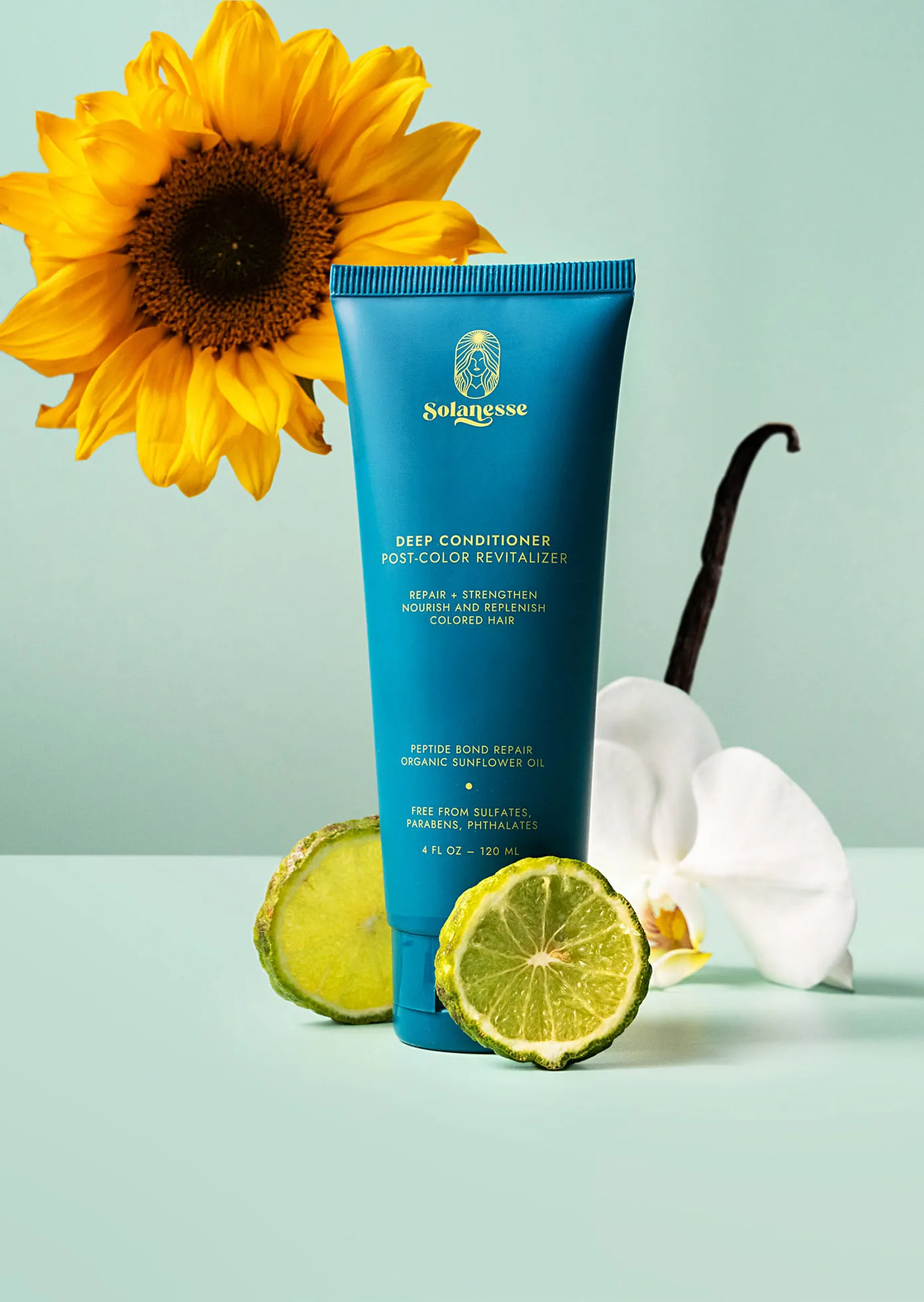
After coloring, follow your product or colorist’s rinsing instructions and handle fragile hair gently. Review safe color appointment timing if dryness or brittleness persists.
Use conditioning support for the hair, not the scalp
Solanesse is positioned as post-color conditioning support for hair affected by coloring, bleaching, and chemical processing. Its documented use is on warm, damp hair after color treatment, leaving it in place for 10 to 15 minutes and then rinsing thoroughly. This routine is intended to support the feel and manageability of processed hair; it does not diagnose, prevent, or treat a hair-dye allergy or any skin reaction. You can review the science and ingredients behind post-color hair care to understand the product’s cosmetic positioning.
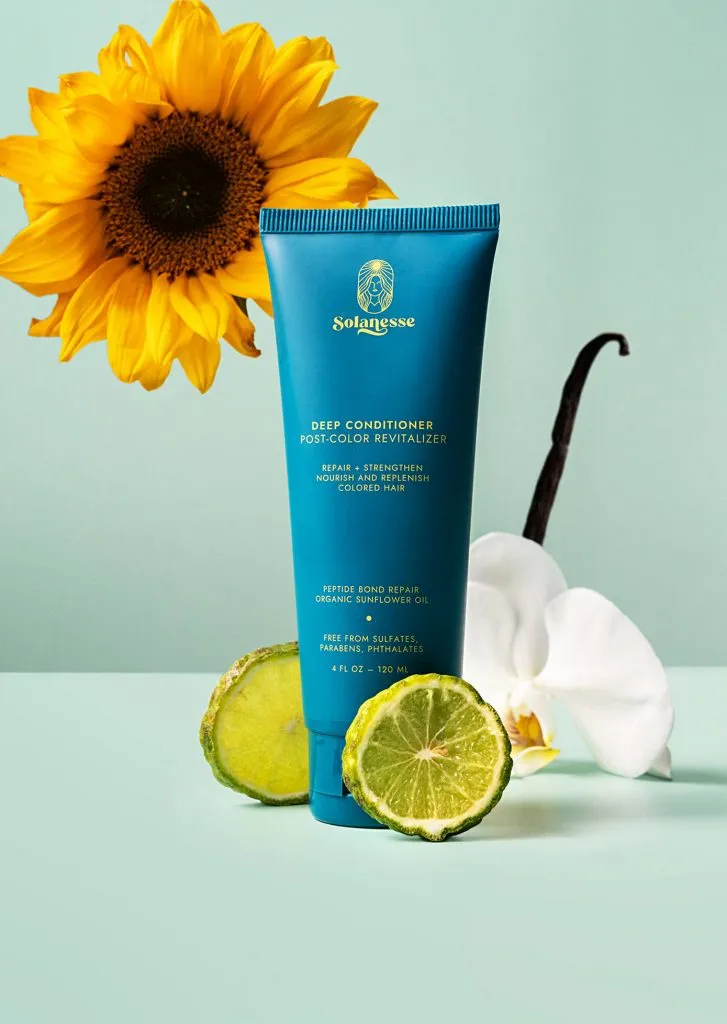
If symptoms develop on the scalp or skin after coloring, stop using the suspected product and follow the safety guidance in this article. If the concern is dry, rough, or fragile hair after a reaction-free service, keep your care focused on the fiber.
Explore Solanesse post-color conditioning care for processed hair.
Frequently Asked Questions
How do you patch test hair dye?
Follow the product label or your colorist’s instructions exactly. The protocol may specify the test mixture, location, and amount. Common consumer tests use a small amount behind the ear or on the inner elbow, then leave it undisturbed while it dries. Do not continue if the area becomes irritated or you feel unwell. A home test can reduce risk, but it cannot guarantee that coloring will be reaction-free. NHS guidance provides additional safety context.
How long should you wait for a hair dye allergy test?
Use the exact waiting period on the product instructions or provided by the salon. Many manufacturer protocols call for observing the test area for 48 hours, but timing and application details vary by product. A 24-hour wait may not match the required protocol, so do not shorten the window to fit an appointment.
Will hairdressers dye hair without a patch test?
Salon policies differ, and a colorist may require a patch test before the appointment or before a new product is used. Ask which product and ingredients will be applied, whether testing is required, and how far in advance it must be completed. Do not assume that a salon test or a previous negative result guarantees safety for every future service.
Ready to support hair after a safe color service?
Once your colorist’s safety guidance is complete, focused conditioning can help care for hair fiber affected by coloring or other chemical processing. This step is for post-color hair care, not allergy prevention, diagnosis, or treatment. Explore Solanesse post-color conditioning care to learn more about a targeted aftercare option for freshly colored hair.


