


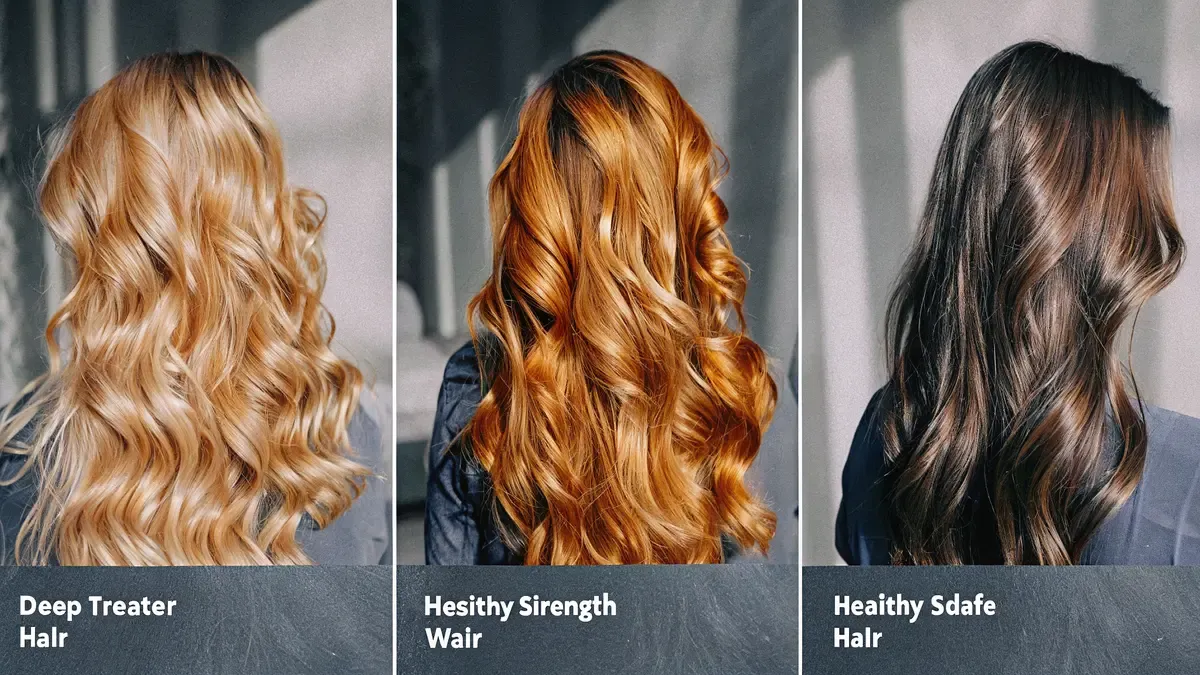
Brittle hair that snaps easily after a fresh color appointment is a sign of structural damage. Chemical treatments strip essential moisture and lipids, causing hair to lose its natural snap and luster. Modern science provides a path to repair.
Steps to restore elasticity and shine to color-treated hair require fixing the structural damage at the cuticle, the cortex, and the cell membrane complex. Research shows that oxidative dyes change the physical structure of the hair shaft, making it brittle and much less flexible than healthy hair (PMC10232955). Using deep repair treatments that penetrate every layer can smooth the cuticle and replace lost proteins to keep hair strong with a high-gloss finish. Consistent care that targets the cell membrane complex is the best method to keep your hair healthy and soft between your regular salon color visits. This complete approach ensures your hair stays vibrant while protecting the delicate inner structure from future chemical damage and environmental wear.
Understanding how dyes change your hair is the first step toward getting your bounce back. You may wonder why your hair feels dry after a salon visit or why it no longer reflects light. We will explore these changes in The Science of Hair Elasticity: Why Color-Treated Hair Loses Its Snap. The path begins with understanding this structure.
Restore Elasticity And Shine To Color-treated Hair: The Science of Hair Elasticity: Why Color-Treated Hair Loses Its Snap
Hair elasticity is the ability of a strand to stretch. It must return to its first length without breaking. Healthy hair is quite tough, largely due to the build of the cortex. This inner layer has long chains of keratin proteins held by chemical bonds. When these bonds are whole, your hair feels soft and strong. But keeping this balance needs proper post-color care to protect the hair shaft from long-term harm.
The role of the cortex and cuticle
The cortex makes up most of the hair fiber and gives it strength. Around this core is the cuticle, a guard layer of scales. In healthy hair, a thin oil layer called the cell membrane complex (CMC) acts as a glue to keep these layers tied together. This complex is key for holding water and keeping the hair whole. When the CMC is healthy, hair can stretch a lot before it snaps.
Chemical dyes must go through the cuticle to reach the cortex. This step often uses high pH levels that lift the scales. While this lets dyes change the hair color, it also opens a path for proteins and water to leave. Without the right help, the hair becomes stiff and loses the snap that marks healthy hair.
How oxidative dyes change hair structure
Oxidative hair dyes work by causing a chemical shift inside the hair shaft. Studies show that these dyes change the physical build and chemical makeup of the hair (Source: PMC10232955). The process breaks down bonds that give hair its shape and strength. As these bonds weaken, the hair fiber cannot bounce back after a stretch, leading to dry strands and a loss of snap.
This harm also hits the surface of the hair. Chemical work wears down the cuticle and the cell membrane complex, making it hard for hair to hold water (Source: PubMed 29316174). When hair cannot hold water, it gets stiff and breaks easily. Fixing this lost snap needs tools that can go into the cortex and shore up the natural protein build of the hair.
Rebuilding the cell membrane complex
The loss of the cell membrane complex is a hidden form of color harm. Since the CMC acts as the glue of the hair, its loss leads to gaps in the fiber. This loss of mass makes the hair feel flat and dull. To fix this, you must look for help that goes past the surface to fill in these lost oils and proteins.
Strengthening the hair with small molecules can help. These tiny parts can enter the hair shaft to improve its strength and bounce (Source: PubMed 36431803). By focusing on the inner core and the outer layers, you can help your hair get back the snap it needs to stay strong after every color visit.
Understanding Hair Shine: Cuticle Degradation and Light Scattering
Shiny hair is not just a sign of health. It is a result of how light hits the surface of each strand. When the outer layer of your hair is smooth, it works like a mirror. It reflects light in a single path. This creates the bright glow we call shine. But for color-treated hair, this process often breaks down.
The role of the cuticle in light reflection
The hair cuticle is a set of flat scales that stack like tiles. In healthy hair, these scales lie tight against the shaft. This flat surface is what lets light bounce off with ease. When you use proper post-color care, you help keep these scales in place. This helps keep the hair’s natural look and feel. You need a smooth base to get a good shine.
Chemical dyes can change this structure. Studies show that chemical damage degrades the cuticle layer over time. This loss of structure makes it harder for hair to hold onto moisture. It also stops the hair from reflecting light in a smooth way. Instead of a clear glow, the light hits rough spots and jumps. This makes your hair look dull and old.
How color damage causes light scattering
During the color process, the hair cuticle must lift to let the dye in. If the hair does not fully heal, these scales stay raised. They may even chip or break off. This creates a rough, uneven texture on the hair shaft. When light hits a rough surface, it bounces in many different directions. Scientists call this light scattering. It is the opposite of a smooth shine.
Light scattering is the main cause of dull hair. When light scatters, it does not reach the eye in a straight line. This makes the hair look matte and dry rather than bright. To fix this, you must smooth the cuticle back down. This is the only way to restore elasticity and shine to color-treated hair. Once the surface is flat again, the glow returns.
Removing buildup to restore natural glow
Dullness is not only about damage. It can also come from a lack of cleaning. Over time, old soaps, oils, and bits from water can stay on your hair. This buildup creates a film that covers the cuticle. It acts like a layer of dust on a mirror. Even if your cuticles are flat, this film will block the light. It makes your hair feel heavy and look gray.
Clearing away this film is a key part of hair health. Removing buildup helps the hair reflect light more clearly once again. It lets the true color of your hair show through. By deep cleaning and smoothing the surface, you can get back that rich, deep glow. A clean and smooth hair shaft is the secret to a look that is both healthy and bright. It makes your style pop and your color shine.
Protein Loss vs. Full-Structure Restoration: Why Bonds Aren’t Enough
Many people use bond builders to fix hair after coloring. These products work on small bonds inside the hair. While this helps, it does not fix the whole hair shaft. whole-structure repair vs bond-only treatments focuses on every layer Color treatments often cause protein loss and change the way hair feels. To truly restore elasticity and shine to color-treated hair, you must fix more than just bonds. You need to care for the cuticle and the cell membrane complex.
The role of the cell membrane complex
The cell membrane complex, or CMC, acts like the glue between hair cells. It holds the outer and inner layers together. When you color your hair, dyes can damage this glue. This leads to dryness because the hair can no longer hold onto moisture. A focus on science-backed hair ingredients can help fix this bond. Without a strong CMC, even the best bond builders cannot keep hair soft for long.
Damage from dyes often leads to a loss of snap and bounce. Studies show that dyes change the physical and chemical state of the hair shaft. This process reduces the natural snap of the hair. Research from the National Institutes of Health shows that these changes are a main cause of post-color dryness.
Beyond basic protein treatments
A full repair plan must do more than add protein. It needs to seal the outer layer and fix the inner core. Using hydrolyzed proteins can help lower the level of protein loss. These small bits of protein fill in the gaps where damage has occurred. This creates a smooth surface that reflects light well and feels soft. The goal is to return the hair to a healthy state through a full repair process.
| Repair Method | Target Area | Primary Benefit |
|---|---|---|
| Bond Builders | Internal Bonds | Inner strength |
| Protein Sprays | Hair Core | Less breakage |
| Full Restoration | CMC and Cuticle | Moisture and shine |
Full repair needs an approach that hits every layer. By treating the outer layer, the core, and the CMC at once, you stop the damage. This whole-structure care is the key to lasting results. It ensures your hair stays strong and looks bright after each color visit.
Key Ingredients to Look For: Peptides, Proteins, and Plant Oils
To restore elasticity and shine to color-treated hair, you must look beyond basic moisture. Chemical dyes can break the inner bonds in your hair and cause it to feel dry and brittle. Picking products with the right clinical ingredients is the best way to fix this damage. High-quality formulas use proteins and oils to heal the hair from the inside out and protect your style.
Restoring Structural Integrity with Proteins and Peptides
Hydrolyzed keratin and collagen are two of the most important proteins for hair health. These ingredients are broken down into very small bits so they can reach the inner core of each hair strand. Solanesse’s complete ingredient profile features these clinically chosen actives for whole-structure repair. Research shows that hydrolyzed proteins help lower protein loss and fix the damage caused by the coloring process. When these proteins fill in the gaps, your hair becomes much stronger and less likely to break during styling.
Plant-based peptides also play a key role in keeping your hair healthy after a trip to the salon. Compounds like peptides can improve the snap and strength of damaged hair to make it more flexible. These science-backed hair ingredients help your hair bend without snapping when you use a brush or comb. This support is vital for anyone who wants to keep a bright look without losing hair health or volume.
Nourishing the Surface with Natural Plant Oils
While proteins build strength, plant oils provide the shine and softness you crave after a color treatment. Sunflower oil is a great choice because it is rich in vitamins and healthy fatty acids. It coats the hair shaft to seal in moisture and protect it from the heat and sun. This light layer keeps your color looking fresh and bright for a much longer time while preventing frizz.
A good repair ritual should also feel like a spa visit and smell like one too. Ingredients like bergamot and vanilla add a soft, luxury scent to your each hair care routine. These oils do more than just smell nice on your shelf. They help soothe the outer layer of the hair and add a natural glow that shows off your new color. Using these plants is a clean way to get the results you want without using heavy grease.
Avoiding Harsh Additives that Strip Color and Moisture
Knowing what to avoid is just as vital as knowing what to use in your hair care routine. Many cheap products use sulfates to create a big lather that feels nice but causes harm. Sulfates can strip away your natural oils and fade your hair color in just a few washes. This leads to dry, dull strands that are very hard to brush and lack their natural life.
Parabens, silicones, and mineral oils can also cause long-term harm to color-treated hair. Silicones might make your hair feel soft at first, but they often leave a heavy buildup on the scalp and strands. This layer blocks water and moisture from getting into the hair shaft over time. Picking a clean, clinical formula makes sure you treat your hair with care and keep it healthy for years to come.
How to Build a Luxurious Post-Color Repair Ritual at Home
Consistency is the core of any good hair care plan. Just as exercise needs a steady routine to see results, your hair needs regular care to stay strong. A weekly deep repair session helps restore elasticity and shine to color-treated hair by giving the hair shaft the food it needs to heal from dyes.
Cleanse with a Gentle Touch
The first step in your ritual is to remove dirt and oils without stripping the hair. Use a mild soap to keep the cuticle safe and ready for care. This step helps remove buildup, which is a common cause of dull hair. When you clear away old product, you help the hair reflect more light for a natural, healthy glow.
Apply a Premium Treatment
Once your hair is clean, apply a high-quality cream from the mid-lengths to the ends. Look for science-backed hair ingredients like proteins and plant-based oils. These parts work to decrease the protein loss and damage caused by the coloring process. Focus the cream on the oldest parts of your hair, as these spots often have the most damage and dryness.
- Wash and prep: Use a mild, clean soap to wash your hair and open the cuticle for repair.
- Apply the cream: Spread the formula through damp hair, focusing on the ends where damage is worst.
- Let it set: Leave the formula on for 10 to 15 minutes to allow peptides and keratin to enter the hair.
- Seal the cuticle: Rinse with cool water to close the outer layer and trap moisture inside the hair shaft.
- Dry with care: Use a soft towel to blot away water instead of rubbing, which can cause frizz and breakage.
The Science of Deep Repair
Leaving the cream in for 10 to 15 minutes gives the formula time to reach the inner layers of the hair. This time is vital because dyes can change the hair’s build and lead to loss of snap. Research shows that proteins can help decrease the protein loss caused by chemical work. Finishing with a cool water rinse helps seal the outer cuticle, which stops moisture loss and boosts shine.
Frequently Asked Questions
How can I restore elasticity and shine to color-treated hair?
To restore elasticity and shine to color-treated hair, you must fix the outer cuticle and the inner core. Research from the National Institutes of Health shows that dyes lift the hair scales and lower moisture levels. Using a deep treatment helps seal these layers. This allows the hair to reflect light well and regain its natural bounce. Good care is the best way to keep your hair healthy and strong.
How often should I use deep conditioning treatments for dyed hair?
You should use a deep treatment based on how dry your hair feels. Most experts suggest a deep session every one to two months for upkeep. However, very damaged hair may need a weekly ritual to see a real change. According to Cecred, regular use helps keep the hair strong and stops future breakage. Steady care is the most vital part of any luxury hair routine.
Does protein treatment help damaged color-treated hair?
Yes, protein treatments help by filling in the gaps left by chemical damage. Science from the National Library of Medicine shows that hydrolyzed proteins decrease the loss of natural mass in dyed hair. These small proteins can help stop strands from breaking. They also help the hair hold onto water and stay soft. For the best results, use a product that also has plant oils to keep the hair flexible and bright.
How does deep cleansing affect hair shine?
Deep cleansing helps hair shine by removing the heavy buildup that blocks light. Over time, hair products and salts from water can coat the hair and make it look dull. According to Kerastase, a clean surface allows the hair to reflect light much better. Using a gentle wash before a deep treatment ensures the active parts can reach the core. This step helps your hair stay bright and full of life.
Ready to restore your hair’s natural strength and shine?
Leaving color damage alone today leads to brittle strands that snap easily and lose their bright look much faster than you think. If you do not start a repair ritual now, you risk long-term dryness and dullness that no basic cream can fix later. A science-backed ritual stops this loss of snap right away and protects every strand from the inner core to the outer layer.
Ready to order? Order the Deep Conditioner Post-Color Revitalizer for $65 to get results today. Based on a consumer study, 90% of women noticed visibly healthier hair after just one use. This 4 oz tube ships for free and comes with a 30-day satisfaction guarantee. Request your repair ritual today to bring back your hair’s shine.


