


“about seventy-three percent of American women choose to color their hair for confidence and self-expression. Yet, the vibrant shade that leaves the salon often starts to wash away within just two weeks. Protecting your investment requires a targeted post-color repair ritual.
To prevent hair dye from fading, focus on reducing heat, harsh chemicals, and unnecessary washing while supporting a smoother, conditioned hair surface.
Color can lose vibrancy during the first few washes when hot water and harsh cleansing increase stress on the fiber. A practical routine includes washing with cool water, using sulfate-free cleansers, understanding the difference between a color safe shampoo vs regular shampoo, and applying a deep-conditioning treatment.
These steps work together to nourish the cortex and cell membrane complex while creating a physical barrier against damage. By strengthening the hair from the inside out, you ensure that your shade remains vibrant for many weeks between salon visits.
Keeping your color vibrant requires a deeper look at the biology of your strands. You can start by learning how daily habits interact with the surface of each hair. The next section examines how color escapes and what you can do to stop it.
Prevent Hair Dye from Fading: What Causes Fresh Color to Fade?
Studies show that about 73% of US women color their hair. For many, a trip to the salon is a common part of a self-care plan. But it can be a letdown when that bright shade starts to wash away after just a few weeks. To keep your hair looking its best, you must first know the science of hair color. The key to staying bright lies in a small but vital part of the hair strand called the cuticle.
Fresh hair color fades when the hair cuticle – the outer protective layer – remains lifted after coloring. Hot water, sulfates, UV rays, and friction keep the cuticle scales open, allowing dye molecules to escape. Closing and sealing the cuticle is the key to lasting color.
The role of the hair cuticle
The cuticle is the outer layer of each hair strand. Think of it like the scales on a fish or shingles on a roof. Its main job is to act as a shield for the soft inner core of the hair. When the cuticle is healthy and flat, it keeps moisture in and gives your hair a smooth, shiny look. This tight seal is what holds hair dye inside the hair shaft. If the cuticle stays closed, the pigment molecules are trapped and cannot escape fast.
During the dye process, strong agents are used to lift the cuticle scales. This lets the dye enter the cortex, which is the thick middle part of the hair. Once the color is set, the goal is to get the cuticle to lay flat again. If the scales do not close all the way, your hair will feel rough and lose its shine. A lifted cuticle is the main reason why dyed hair often feels dry and looks dull over time.
Outer factors and color loss
Many daily habits can cause the hair cuticle to lift or swell. Hot water is one of the most common causes of early color loss. The heat from a shower makes the hair fiber expand, which pushes the cuticle scales up. This creates a path for the dye molecules to wash out down the drain. UV rays from the sun can also break down the chemical bonds of your hair color. This light damage makes the shade look thin and washed out, even if you use the right products.
Sulfates in many shampoos also pose a risk to your color. These harsh cleansers are made to strip away oil and dirt, but they can also strip away your dye. Friction from rough towels or sleep can further wear down the hair surface. Even chlorine in pool water can bind to the hair proteins and change the look of your color.
The impact of repeated coloring
Coloring your hair too often can lead to cumulative damage. Each time you dye your hair, the cuticle goes through a cycle of opening and closing. Over time, these scales can become weak or even break off. This leaves the inner parts of the hair exposed to the air and sun. When the hair structure is worn down, it becomes harder for the strand to hold onto new dye. This is why hair that has been colored many times tends to fade much faster than virgin hair.
At Solanesse, we believe in a whole-structure approach to color protection. This means addressing the cuticle, the cortex, and the cell membrane complex all at once. By restoring the hair from the inside out, you can help your color last much longer.
The First 72 Hours: How to Set Your Color After Dyeing
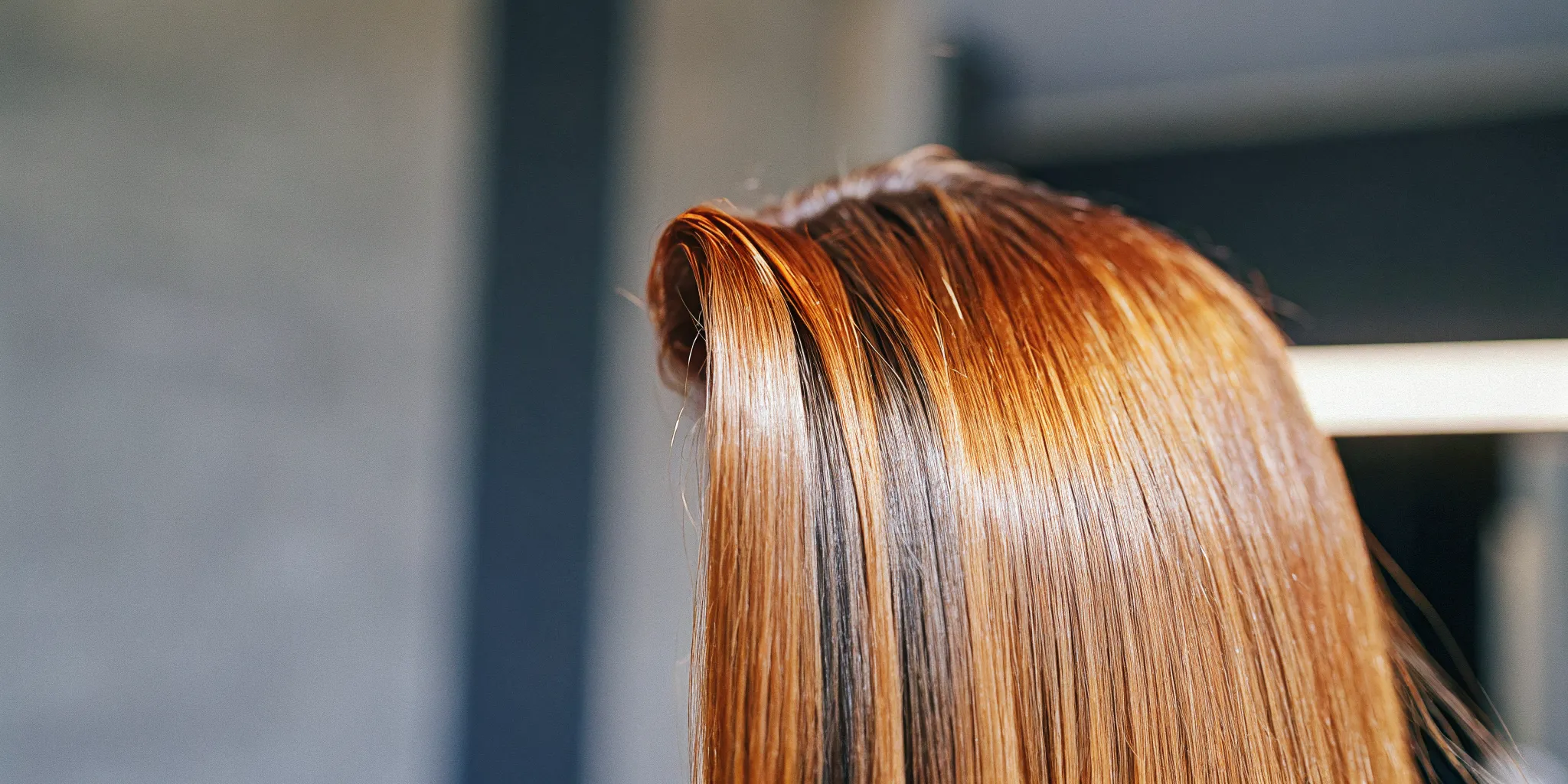
The first 72 hours after coloring are critical for color retention. The cuticle remains slightly open for up to three days after dyeing. Washing, heat styling, or wetting the hair during this window allows pigment to escape. Waiting a full three days before the first wash is the single most effective way to lock in color.
Why the wait matters
The first few days after you color your hair are vital. When you use dye, chemicals lift the hair cuticle to let color in. This layer does not seal shut right away. It takes about three days for the scales to lay flat again. If you wash too soon, you wash away the work you just paid for. Most color loss happens in the first four washes. Waiting 72 hours gives the color time to set deep. This step is a top way to extend the life of your hair color at home.
Steps to protect your fresh look
Protecting your new look starts at home. You do not need to do much, but the right moves make a big difference. Following a set plan will help your hair heal and keep the dye from washing out. Here are the five best steps you can take to keep your color rich and bright in the first 72 hours.
-
t
- Rinse with cool water on the first day if you need to wet it. Do not use soap. Cool water helps to seal the cuticle without stripping the color.
- Avoid using hot tools like flat irons for at least three days. High heat can lift the hair scales and let dye escape. Let your hair air dry to keep the shade bright.
- Sleep on a silk or satin pillowcase to stop friction. Rough cotton can pull at the hair and cause the outer layer to fray. Silk keeps hair smooth and keeps dye where it belongs.
- Use dry shampoo if your roots feel oily. This lets you skip a wash while keeping hair looking fresh. A color-safe conditioning treatment can also add shine without water.
- Wait at least three full days before you use a real shampoo. When you do wash, use a mild cleanser that has no sulfates.
t
t
t
t
Long-term habit shifts
How you treat your hair in the first week counts. Avoid harsh soaps that contain sulfates. These are like strong cleaners that pull oils and color out of the hair. Instead, look for gentle cleansers that keep hair moist and soft. Also stay away from pools or the sea for a few days. Chlorine and salt can react with the dye and change your hair hue. If you must use heat to style, use the lowest setting you can. A good heat protectant can help, but air drying is best.
How Should You Wash Color-Treated Hair?
The most vital part of your new hair care routine starts in the shower. To keep your color from washing away, you must change how you wash your hair. Most color loss happens during the first few washes after you visit the salon. By picking the right products and settings, you can keep your shade bright for weeks longer.
Wash color-treated hair no more than two to three times per week using a sulfate-free shampoo and cool water. Sulfates strip the cuticle and pull out pigment. Cool water keeps the cuticle flat and traps color inside. Limiting washes gives natural oils time to protect each strand.
Pick sulfate-free cleansers
Sulfates are strong detergents that make a lot of foam, but they are often too harsh for treated hair. These chemicals strip away natural oils and pull color right out of the hair. Sulfate-free shampoo preserves color better than standard soaps because it does not lift the hair cuticle. Use a mild cleanser to keep your hair smooth and sealed. You can see how we select gentle ingredients on our Science and Ingredients page.
Rinse with cool water
Hot water is a major enemy of fresh hair color. High heat causes the hair cuticle to swell and open up. When the cuticle is open, color molecules can easily slip out and wash away. To keep your hair color vibrant, use cool water when you rinse. Cool water helps seal the cuticle flat. This traps the dye inside and adds a healthy shine to your hair.
Wash hair less often
Every time you wet your hair, you risk losing some color. Try to limit your hair washing to two or three times each week. This gives your natural oils time to coat and shield each strand. On the days you skip a wash, use a dry shampoo to absorb oil at the roots. This step keeps your hair looking fresh without a full rinse. Many shampoos designed for colored hair also contain UV filters to stop the sun from dulling your tone.
Heat, Sun, and Swim: Environmental Protection for Colored Hair
Your hair faces many threats after you leave the salon. Daily forces like the sun, pool water, and styling tools can quickly steal your shine. To protect your color from these external factors, you must build a shield against the world around you.
Heat styling tools, UV rays, and chlorine are the top environmental threats to colored hair. Heat breaks down the bonds holding dye inside the hair. UV rays act as a natural bleach that fades pigment. Chlorine binds to hair proteins and alters color chemistry. A heat protectant, UV-blocking spray, and pre-swim fresh water rinse are essential defenses.
Shield your strands from heat
High heat from blow dryers and flat irons is a major cause of color loss. When you use these tools, the heat can break down the bonds that hold dye inside your hair. It also dries out the hair shaft, which makes the cuticle lift and fray. A lifted cuticle allows color to wash out much faster than normal. Always apply a heat protectant spray before you style your hair. This creates a thin layer that stops the heat from reaching the inner core. Try to use lower settings on your tools to keep your shade bright. Limiting hot tool use to twice per week can also help your color stay vibrant.
Guard against UV damage
The sun is one of the biggest enemies of fresh hair color. Research shows that UV rays degrade color molecules by breaking their chemical bonds. This process causes your rich brown or bright red to look dull and washed out in just a few days. UV light acts like a mild bleach, stripping away the pigment you just paid for at the salon. You can protect your hair by wearing a hat when you go outside. Many leave-in sprays now include UV filters that block the sun. These products work like sunscreen for your hair to stop the fading process before it starts. Learn more about UV-protective ingredients on our Science and Ingredients page.
Swim-proof your color
Pool water contains chlorine, which binds to hair proteins and alters the chemistry of your color. This can lead to a green tint or a sudden loss of depth. To prevent this, wet your hair with fresh water before you jump in the pool. Wet hair acts like a soaked sponge and will not take in as much chlorinated water. You can also use a swim cap to keep the chemicals away from your strands entirely. Keeping the cuticle sealed is the best way to block these external threats and keep your color safe.
Deep Conditioning in a Color-Preserving Routine
Deep conditioning can be a useful part of a color-preserving routine because it helps hair feel smoother, softer, and easier to manage after chemical processing. It does not replace gentle washing or environmental protection, and it cannot guarantee that color will never fade. Instead, it supports the condition and appearance of the fiber between color services.
The Solanesse Deep Conditioner Post-Color Revitalizer is designed for post-color care. Its formula is positioned around support for the cuticle, cortex, and cell membrane complex, with hydrolyzed keratin, collagen, and plant-based peptides. Follow the product instructions and rinse thoroughly. If dryness, porosity, or breakage is your primary concern, follow the repair damaged hair after coloring recovery plan.
Build a Color-Preserving Hair Care Routine
Your color-preserving routine can combine first-72-hour care, a gentle wash schedule, cool-to-lukewarm water, protection from heat and sun, and regular conditioning. For the broader routine, read the guide to make hair color last longer.
You can keep your shade bright and your hair healthy with a clear plan. A steady routine helps you manage fresh dye and stop it from washing away. By following a weekly schedule, you can protect your look and save time and money on salon visits.
A color-preserving routine has three phases: the first 72 hours (no wash, no heat), weekly care (sulfate-free shampoo. Cool water, weekly deep conditioning), and monthly maintenance (touch-ups every 4 to 6 weeks, consistent deep conditioning). Each phase builds on the last to keep color locked in.
The first three days
The first few days after you dye your hair are the most vital. Your hair needs time to lock in the new pigment and let the cuticle settle. Avoid washing your hair at all during this time. If you must get your hair wet, use cool water only to keep the hair shaft closed. During this early window, stay away from heat tools like flat irons or blow dryers. High heat can lift the cuticle and cause color to leak. Switch to a silk pillowcase to reduce friction while you sleep.
Weekly maintenance steps
-
t
- Days 4 and beyond: Start your wash routine with a sulfate-free shampoo. Always use cool or lukewarm water, as hot water opens the cuticle and strips away your color.
- The deep conditioning ritual: Once a week, apply a rich treatment like the Solanesse Post-Color Revitalizer. Leave it on for 10 to 15 minutes to repair the cuticle and cortex.
- Daily UV protection: Apply a light UV spray or wear a hat if you plan to spend time in the sun. Ultraviolet rays can break down hair proteins and cause your color to turn brassy.
- Style with care: Use a heat protectant spray every time you use a wand or iron. If your hair feels oily, use dry shampoo to stretch the time between full washes.
t
t
t
Monthly maintenance
Plan for a color touch-up every four to six weeks to keep your color fresh. Between salon visits, keep up with your weekly deep conditioning ritual to build hair strength. Healthy hair holds color much better than dry or damaged strands.
Frequently Asked Questions
How many washes does it take for hair dye to start fading?
Most hair color fading happens in the first four washes after dyeing. During this early stage, the hair cuticle remains slightly open, allowing water and shampoo to strip away fresh pigment. Washing less frequently during the first week helps keep your shade bright and bold for much longer.
Why does the sun make hair color fade so fast?
Sunlight contains UV rays that act like a natural bleach on hair. These rays break the chemical bonds that hold color in your hair strands. UV damage is most pronounced on the top layers of hair that get the most direct light. To keep your color safe, wear a hat outdoors and use a UV-blocking leave-in spray.
Does Solanesse work better than bond repair treatments alone?
Solanesse takes a whole-structure approach that addresses the cuticle, cortex, and cell membrane complex all at once. Bond-only treatments like Olaplex and K18 focus on disulfide bonds alone. By repairing all three layers, the formula creates a full seal that traps pigment inside the hair shaft for lasting vibrancy. You can learn more about the science behind whole-structure repair on our Science and Ingredients page.
Is there a money-back guarantee for Solanesse products?
Yes, Solanesse offers a 30-day satisfaction guarantee for first-time buyers. If you are not satisfied with your purchase, you can request a full refund within 30 days. Shipping is free on all U.S. orders. International shipping is not currently available.
Ready to Keep Your Color Vibrant?
Your hair color is an investment in your confidence and self-expression. With the right knowledge and a consistent routine, you can keep that salon-fresh vibrancy for weeks longer. The science is clear: seal the cuticle, avoid harsh chemicals and heat, and nourish all three layers of the hair structure.
Solanesse was built for women who color freely and live boldly. Our Deep Conditioner Post-Color Revitalizer makes professional-level color protection simple enough for your home routine. In just 10 to 15 minutes, you can repair, seal, and protect your color without stepping into a salon.
”


