


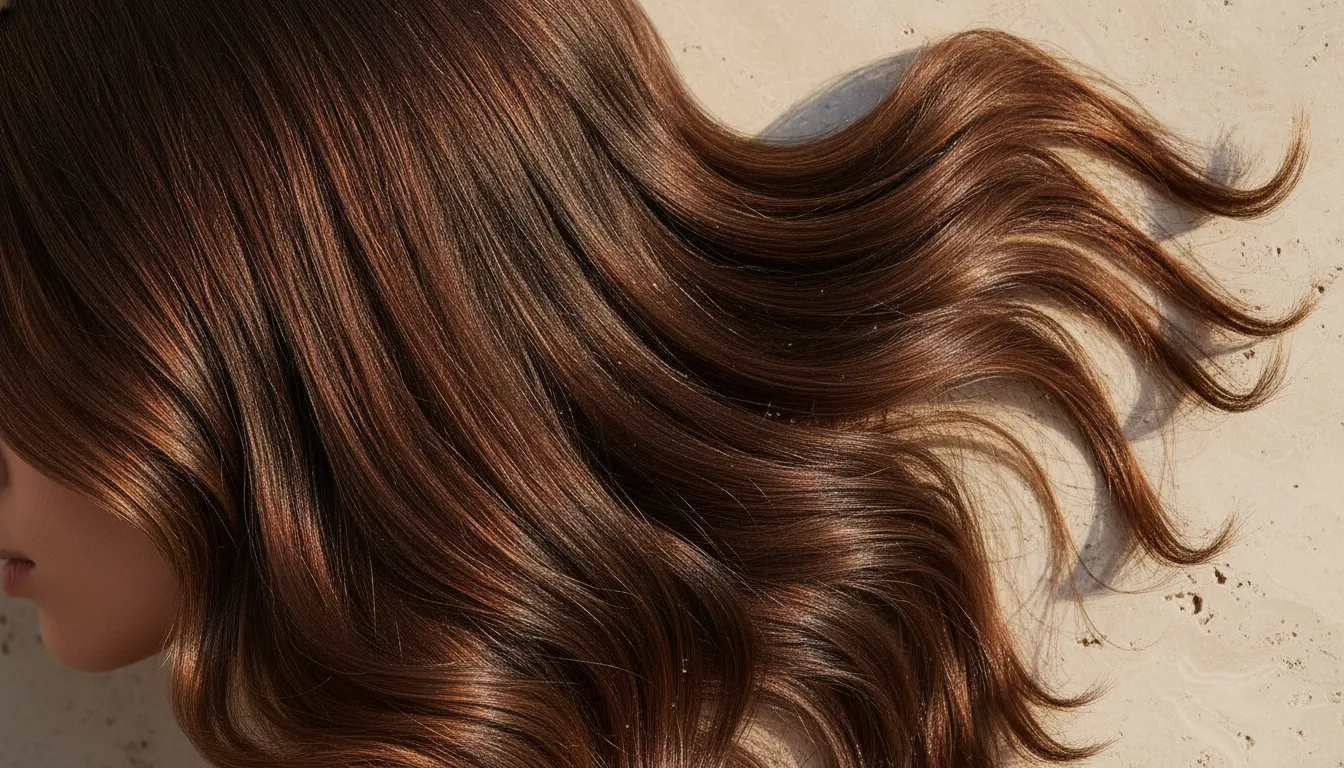
Brushing through freshly colored hair should never feel like a battle against brittle, snapping ends. You can keep your vibrant color and have soft, strong hair at the same time.
How to fix damaged hair starts with moving past quick fixes to a ritual that heals the inner cuticle, cortex, and cell membrane layers. Research shows that chemical coloring changes the hair’s structure and leads to deep damage throughout the hair fiber (PubMed). To truly restore health, you need a science-backed treatment that adds back hydrolyzed keratin and collagen while sealing the outer layer to stop moisture loss. This home ritual should combine deep conditioning with gentle care and less heat to let each strand rebuild its strength and shine over time. By focusing on these deep layers, you can go past simple bond repair and get lasting strength for your color-treated hair without choosing between expression and health.
Getting back the health and shine of your hair starts with learning how each strand is built. This guide gives you a clear and scientific path for how to fix damaged hair after coloring without losing your bold self-expression. We will show you how to move from worry to complete hair confidence. The path begins with
How to fix damaged hair after coloring
Coloring your hair is a great way to show who you are. It gives you a new look and a boost of joy. But the dyes used to change your hair color can also harm the hair fiber. These dye steps change the shape of keratin, which is the protein that makes up your hair. This change can make hair feel weak or dry. You cannot undo all harm, but you can make your hair look and feel healthy again. The first step is to know the gap between dry hair and hair with split ends. A trim is the only way to deal with ends that have fully split. But for the rest of your hair, a steady plan can restore shine and strength.
Signs of hair harm
You need to look at your hair to see what it needs. Damaged hair often feels rough and has no shine. It might break fast when you brush it or get knots. This happens when the outer layer of the hair, called the cuticle, is worn down. When the cuticle is not smooth, your hair cannot hold onto its moisture. This leads to frizz and a dull look that stays even after you wash it. You should also check for protein loss. Bleach and dye can lead to a loss of protein in the hair structure. This makes the strands feel too soft or mushy when they are wet. It is also good to look for signs of heat harm. If you use a hot iron every day, your hair may lose its bounce. Finding these signs early helps you pick the right tools to fix the problem. You can then start a plan that works for your unique hair needs.
A daily repair routine
Fixing hair is not a one-time job. It takes a steady plan to see a real change. You need to give your hair back what the dye took away. This means adding moisture and protein to help the hair fiber stay strong. A deep conditioner is the best way to do this at home. You want a product that uses science-backed hair repair to heal the hair from the inside out. The right post-color hair repair ritual can make a big change. You want a product that works on the whole structure of the hair. Some treatments only fix bonds, but your hair needs more. It needs help with the cuticle, the cortex, and the cell membrane complex to truly thrive. Using a clean formula that is free from sulfates and parabens is also key. This ensures you are not adding more stress to your strands while you try to heal them.
- Get a small trim. This removes the old, weak parts of your hair that you cannot save.
- Use a deep treatment once a week. Pick a formula with keratin and peptides to help fix the protein structure.
- Lower the heat. Use hair dryers and irons less often to avoid more stress on the hair.
- Wash with care. Use cool water and stay away from harsh soaps that strip away natural oils.
- Pat your hair dry. Do not rub your hair with a towel, as wet hair breaks fast.
Your hair health depends on what you do every day. Small changes in how you brush and dry your hair will stop more harm. When you use the right steps, you can keep your color and have healthy hair too. Most people see a big change after just one use of a deep treatment. In fact, many women see hair that looks better right away. This gives you the choice to color your hair and still feel good about its health. You can live boldly and color freely when you have the right tools to keep your hair strong.
What color treatment changes inside the hair fiber
When you color your hair, you do more than just change its look. You start a deep chemical shift that moves through every layer of the strand. To know how to fix damaged hair, you must first see how these changes work from the outside in. Each session shifts the way your hair stays strong and keeps its shine. These changes build up over time with each new salon visit.
Lifting the protective cuticle
The first step in any color process is to open the cuticle. This is the outer layer that looks like scales on a roof. Usually, these scales lay flat to keep moisture in and protect the inner core. Color products use harsh bases to lift these scales so dye can get inside. Research shows that these chemical steps change the shape of the hair’s protein. This can lead to deep harm and inner breakdown.
When the scales do not lay flat again, the hair feels rough and loses its natural glow. This lack of smoothness is a clear sign that the outer layer needs help. Without a flat cuticle, moisture escapes fast. This leads to dry and brittle strands that snap. A smooth surface is key for hair that shines and feels soft to the touch. Fixing this layer is the first step to bringing back your hair’s health.
Altering the cortex and protein bonds
Once the color gets past the surface, it hits the cortex. This is the thickest part of the hair. It holds the strand’s strength and natural shade. Coloring works by breaking down old pigment and adding new tones. This process also hits the protein bonds that keep the fiber whole. Studies show that combining steps like bleaching and coloring can lead to major protein loss in human hair.
When these bonds break, the hair becomes thin, dry, and easy to snap. A healthy cortex needs a strong protein backbone to stay bendy and tough against daily stress. This inner core is where most of the hair’s mass lives. When it loses its strength, the whole strand feels limp and weak. Fixing the cortex means filling back in the proteins that give your hair its life and bounce.
Weakening the cell membrane complex
The cell membrane complex is a part of the hair that people often forget. Think of it as the glue that holds the cuticle and cortex layers together. It is full of fats that help the hair stay soft and move well. High-lift colors and bleach can strip away these fats. When this glue fails, the layers of the hair start to pull apart. This leads to the split ends and frizz that many see after a big color change.
Most common fixes only focus on the protein bonds. While bonds are key, they are only one piece of the puzzle. A full approach treats the cuticle, the cortex, and the cell membrane complex at the same time. This science-backed hair repair works to fill in the gaps and seal the surface. By caring for the whole strand, you can keep your favorite shades while keeping your hair healthy and bold.
Which treatments help color-damaged hair?
When you look for how to fix damaged hair, you might feel lost with all the choices. Hair color is a way to show who you are, but it can be hard on your strands. Over time, the color process can cause deep harm to the hair backbone. To fix this, you must know what each type of care does for your hair. Most products focus on strength, soft feel, shine, or bond links. Picking the right one for your hair type is the first step toward a healthy glow.
Strength and link repair
Color changes can harm the keratin fiber structure of your hair strands. This often leads to protein loss, which makes your hair feel limp or thin. If your hair stretches too much when wet, it likely needs more protein. You can find help in products with hydrolyzed keratin or plant-based peptides. These tiny parts act like a patch for the hair core. At the same time, bond fixers work to re-link the broken ties inside the hair strand. While protein adds bulk, bond repair fixes the ties that hold the hair together. Using these helps keep your hair from snapping when you use a brush or a comb. It restores the base of your hair so it can hold its shape and style.
Softness through deep moisture
Hair that feels like straw or tangles fast is often dry. This happens when the outer skin of the hair, called the cuticle, stays open. When this layer is not flat, water leaves the hair too fast. Good conditioning agents work to smooth this outer layer and trap water inside. This makes the hair feel soft to the touch and easy to style. You should look for a clean routine that you can do at home. Steer clear of harsh salts or oils from old fuels that can strip your hair. Instead, use a cream that helps the hair hold onto moisture for a long time. This step is key for keeping hair bendy and smooth.
Shine from oils and lipids
The shine of your hair comes from how light hits the surface. If the surface is rough, the light scatters and the hair looks dull. Natural oils like sunflower or coconut oil are great for adding a deep glow. These oils act like the natural fats, or lipids, that your hair needs to stay healthy. They seal the outer layer and keep the hair bendy. This lipid layer also acts as a shield. It helps protect your hair from the heat of flat irons and the dry air outside. Adding these oils to your care plan keeps the hair from looking frizzy and helps it feel silky. This is a key part of any plan for those who color their hair often.
| Treatment Type | Main Goal | Sign You Need It |
|---|---|---|
| Hydration | Add moisture | Hair feels dry and stiff |
| Protein | Build strength | Hair is limp or stretchy |
| Oils and Lipids | Seal in shine | Hair looks dull and frizzy |
| Bond Repair | Link bonds | Hair breaks fast |
Finding the right mix of these tools is the secret to a post-color hair repair ritual that lasts. You do not have to pick just one type of care. Truly healthy hair needs a blend of strength, moisture, and shine to thrive. By treating the cuticle, the core, and the cell fats, you can fix the whole hair strand. This total care ensures that your hair stays bright and strong no matter how often you choose to change your color.
How to treat dry hair after coloring between wash days
Hair color is a way to show who you are. It is a step that lets you live boldly and feel your best. But the color work can leave your strands feeling thirsty. You do not need to wash your hair every day to keep it healthy. In fact, washing too much can strip away the pure oils that your hair needs to stay soft. A gentle routine between wash days is a key part of how to fix damaged hair after coloring. Focus on low-friction habits to keep your hair strong and shiny.
Shield your hair from heat and UV rays
Heat and sun are two major threats to hair health. High heat from styling tools can change how the protein in your hair works. This makes your hair look dull and feel very dry. If you must use heat, pick a low setting to save your strands. The sun also plays a large role in how your hair feels. UV rays can fade your new color and make the hair structure weak. Many experts note that outer factors like heat and UV light can cause damage. These factors make your hair lose its smooth look. Wear a hat when you spend time outside. This simple step keeps your hair safe and helps your color stay bright for weeks.
Gentle combing and styling habits
How you brush your hair is a key step. Dry, colored hair is often weak and can break with very little force. Use a wide-tooth comb to work through any knots. Always start at the ends of your hair and move up slowly. This method keeps you from pulling too hard on the roots. Rough brushing causes stress that leads to split ends and frizz. Be kind to your hair to keep the fiber strong. Also, try to avoid tight styles like high ponytails. These styles can pull on your scalp and lead to more breakage. Loose braids or low buns are better for your hair between washes. These habits are a vital part of a post-color hair repair ritual that protects your hair every day.
The role of moisture between washes
Adding moisture back into your hair is the best way to get a soft feel. On the days you do not wash your hair, you can use light oils or creams. These products smooth the hair surface and hide the look of damage. Focus the product on the ends of your hair where dryness is most common. This helps to lock in water and adds a healthy shine. It is also good to avoid pools with chlorine when your hair is dry. Salt water and pool water can strip the hair even more. If you do go for a swim, rinse your hair with fresh water right after. Keeping a balance of moisture and protein is a smart way to restore your hair. This full-structure approach treats the hair from the inside out. It helps your hair look its best even when you are short on time.
For color-care guidance tailored to darker tones, see our dark brown hair guide.
Build a restorative post-color ritual
Coloring your hair is a form of style that should feel bold and free. However, dye can change the shape of the keratin in your hair strands. This leads to dry hair and damage over time. To keep your hair healthy, you need a plan that goes deep. A true post-color hair repair ritual heals the hair from within. This ritual moves you from worry about damage to a sense of hair health.
A single step for full repair
Many people wonder how to fix damaged hair without hours in a salon. The Solanesse way uses a single step you can do at home. One rich cream treats the three main parts of your hair. This includes the outer cuticle, the inner cortex, and the cell membrane complex. It is a simple way to get salon-like results in your own home. You do not need a shelf full of masks to get the best look.
This full-care method is better than tools that only fix hair bonds. By treating every layer, you help your hair stay strong and soft. Most women see a big change fast. In fact, 90% of women noticed visibly healthier hair after just one use. This shows that a good plan can make a real change in how your hair looks and feels. It gives you the power to color your hair without the fear of thin or dull strands.
Ingredients that target the hair structure
The best goods use science-backed hair repair to heal the hair fiber. The Solanesse mix uses keratin and collagen to fill gaps in the hair. These parts match the natural proteins in your hair. Peptides also work to strengthen each hair from the root to the tip. These ingredients work together to rebuild what dye takes away. They help restore the natural bounce and glow of healthy hair.
Research shows that coloring alters the keratin structure of the hair. This is why adding these proteins back is key. Natural oils like sunflower oil add shine and keep moisture in. The mix also smells like bergamot and vanilla. It has no harsh chemicals like sulfates or silicones that weigh hair down. This clean mix is safe for all hair types and keeps your scalp feeling fresh.
The role of timing in your routine
To get the best results, give the mix time to work. Most deep treatments need about 10 to 15 minutes to soak in. This gives the proteins time to reach the inner hair core. During this time, the cuticle smooths out and the cortex drinks in the moisture. Using the cream once a week is often enough to keep hair in top shape. It fits into a busy week while still giving your hair the care it needs.
Steady care is key when learning how to fix damaged hair. When you use a high-end ritual every week, you build up the health of your hair. This stops new damage from future dye or heat. A 4 oz tube costs $65 and has enough for many uses. It is a small cost for hair that stays bright and strong all year. You can live boldly knowing your hair has the support it needs to stay beautiful.
Learn how to make your hair color last longer with a consistent routine.
How long does damaged hair take to recover?
The time it takes to fix damaged hair depends on how deep the harm goes. You might see more shine right away, but real strength takes more time. Your hair structure changes when you color or bleach it. These chemical steps can lead to dry, weak strands that break with ease. To find how to fix damaged hair, you must balance fast surface fixes with long-term care.
Fast softness and shine
Most people want to see results as soon as they start a new plan. You can often get smoother hair after just one use of a high-quality hair balm. These products coat the hair fiber to restore its smooth look and feel. In fact, research shows that conditioning agents help repair the hair surface and bring back shine. This first step makes your hair feel soft and look healthy. It is a sign that the treatment is working on the outer layers.
For many women, this quick win is enough to boost their mood and trust. Solanesse found that 90% of women saw healthier hair after a single 10-minute ritual. This fast change happens because the product smooths the outer layer of each strand. While the hair looks better, you still need to work on the inner parts. Surface shine is a great start, but it is only part of the full repair goal.
Building strength over time
While shine is quick, building real strength takes weeks of steady care. Hair damage often builds up over time. This happens over many months of coloring, heat styling, and sun. One treatment can help, but you need a routine to fix deep issues. Steady deep care helps keep a healthy balance of moisture and protein. Without this balance, your hair stays brittle and weak. You must stay patient as your hair learns to hold its health again.
A good ritual should treat the cuticle, cortex, and cell membrane complex. This whole-structure way helps the hair hold on to water better. Over some weeks, you will notice fewer split ends and less breakage. You may find that your hair feels thick and holds its color longer. This post-color hair repair ritual works best when you use it often. It takes time for the hair to rebuild its natural bounce and healthy flow.
Knowing the limits of repair
Sometimes, hair damage is too bad for products to fix fully. When hair fibers split at the ends, they cannot grow back as one. Products can briefly seal these ends, but they will soon split again. The only way to truly stop split ends from moving up the strand is to cut them off. Trimming your hair every few months helps manage the look of damage. It prevents the split from moving further up the hair shaft.
If your hair is breaking off in large clumps, you may need to see an expert. A pro can tell if your hair has reached its limit. They might suggest a big cut or a break from all harsh steps. It is also wise to talk to a doctor if you see sudden hair loss. Most damage comes from how we treat our hair, but some issues start from within. Focus on what you can control with gentle care and the right tools. Good hair care is a journey that starts with one small step.
Frequently Asked Questions
Can you actually fix damaged hair?
You can improve the look and feel of your hair with the right care. Harsh steps like bleaching can change how hair cells fit together. Good care products help by filling in gaps in the hair surface. A study on PubMed shows that some treatments can repair the shape of these cells. While you cannot undo all changes, you can make hair feel smooth and strong with a good ritual.
How can I repair extremely damaged hair?
To fix very bad damage, you need a plan that adds moisture and protein. Look for products that have keratin and plant extracts. These items help rebuild the inner parts of each strand. As seen in research, good care steps lower the bad effects of heat and tools. Using a deep treatment once a week for ten minutes can bring back shine. This help lets the hair surface lay flat so your hair looks healthy and soft.
How do you know if your hair is dry or damaged?
Dry hair often lacks shine and feels rough to the touch. Damaged hair goes a step further and may break easily when you brush it. You might notice more frizz or split ends that do not go away. One way to tell is to see how your hair acts when it is wet. If it feels like mush or stretches too much, it likely has deep damage. Healthy hair should be springy and soft. Proper care can help fix these issues over time.
Does trimming really help repair damaged hair?
Trimming your hair does not fix the hair fibers that are already grown. However, it is a key step to keep damage from getting worse. Cutting off split ends stops them from traveling up the hair shaft. This makes your hair look thicker and feel much smoother. According to Solanesse, regular trims help you manage the look of damage while you use treatments to strengthen the rest of your hair. It is part of a complete hair care ritual.
How can I prevent further damage to my hair?
You can protect your hair by changing some of your daily habits. Use less heat from tools like blow dryers and flat irons. When you do use heat, always apply a protective spray first. Be gentle when you brush or dry your hair with a towel. As noted by experts, mechanical stress can wear down the hair surface over time. Swapping harsh habits for gentle ones will help your hair stay strong and keep its natural shine.
Ready to start your post-color hair repair ritual?
Waiting to treat damaged hair allows dryness and split ends to grow much worse over time. This makes your hair much harder to fix in the many long weeks and months ahead. You can stop this cycle today by giving your hair the deep repair it truly needs right now.
Ready to shop the post-color repair ritual? Starting now helps you keep your hair soft and shiny between each of your salon visits. It also ensures your hair looks full of life and health for a long time. Request your repair kit to shop the post-color repair ritual. Get started now to see healthy hair after just one single home use today.


