

What actually gives hair its color? It all comes down to a pigment called melanin. To achieve any shade of blonde hair, a chemical process is used to lift that natural pigment, which can leave the hair shaft porous and fragile. Understanding this science is the key to keeping your color-treated hair healthy. Instead of just masking damage, you can learn how to repair it from the inside out. This guide explains what really happens when you go blonde and provides a clear, actionable plan for restoring strength and moisture, ensuring your hair feels as good as it looks.
Key Takeaways
- Your skin’s undertone is the key to your most flattering blonde: Identify if your skin has cool (pinkish) or warm (golden) undertones to choose a shade that brightens your complexion, such as ash blonde for cool skin or honey blonde for warm skin.
- Going blonde chemically alters your hair’s structure: The bleaching process opens the hair cuticle to remove pigment, which leaves strands porous and fragile, making them highly susceptible to dryness, frizz, and breakage.
- A consistent repair routine is essential for healthy blonde hair: To counteract damage, wash less often, always use a heat protectant, get regular trims, and make a weekly deep conditioning treatment with restorative ingredients like keratin and peptides a non-negotiable ritual.
What Makes Hair Blonde?
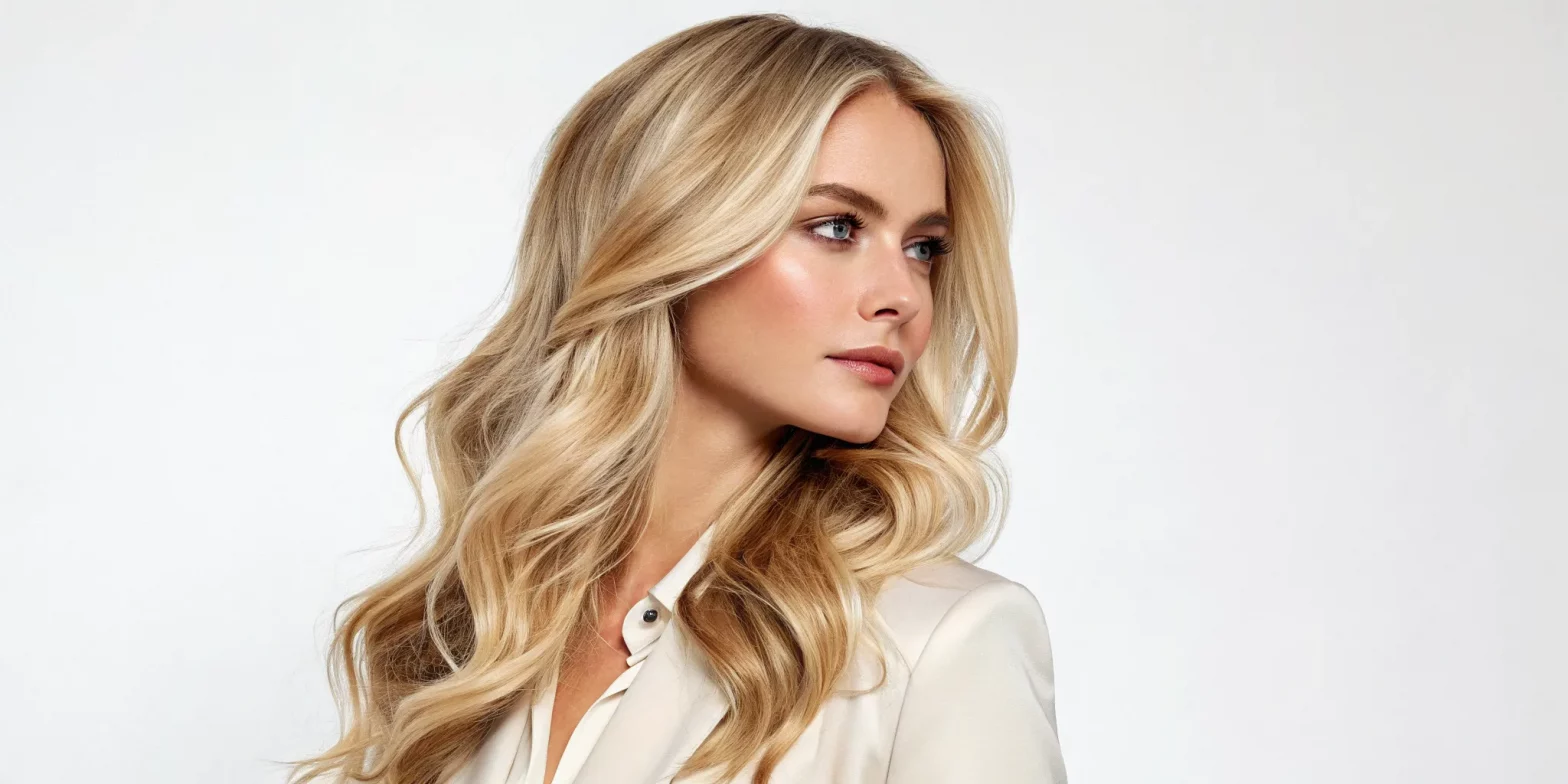
Whether you were born with it or get a little help from your favorite stylist, blonde hair has a certain magic. It can feel bright, sunny, and effortlessly chic. But what actually gives hair its signature light color? The answer isn’t magic at all; it’s a fascinating mix of genetics and biology that determines every shade, from the iciest platinum to the warmest honey. Understanding the science behind your hair is the first step to keeping it healthy and vibrant, especially when color treatments are involved. It all comes down to a pigment called melanin and how much of it your hair contains.
The Science of Hair Color
At its core, hair color is determined by pigment. Specifically, blond hair is characterized by low levels of a dark pigment called eumelanin. The less eumelanin your hair follicles produce, the lighter your strands will be. This is what creates the beautiful and diverse spectrum of blonde shades we all know and love. The specific concentration of this pigment is what separates a pale, silvery blonde from a richer, golden-brownish sandy blonde. It’s a delicate balance that results in your unique, natural color. When you bleach your hair, you’re essentially removing this pigment to achieve a lighter shade.
The Role of Melanin
To get a bit more technical, there are two types of melanin that create your hair color: eumelanin (responsible for black and brown hues) and pheomelanin (responsible for red and yellow hues). People with blonde hair have very little eumelanin, which allows the underlying yellow tones of pheomelanin to become visible. Interestingly, many scientists believe this trait evolved as a survival advantage in Northern Europe. Lighter skin and hair may have allowed for more efficient synthesis of vitamin D in areas with limited sunlight. So, your fair hair isn’t just gorgeous; it’s a clever piece of evolutionary history.
Why Hair Color Fades Over Time
If you were a towheaded child, you probably noticed your hair getting darker as you got older. This is an incredibly common phenomenon, and there’s a simple reason for it. As we age, our bodies often begin to produce more eumelanin, the dark pigment we talked about earlier. That bright, natural blonde from your childhood can gradually deepen into a darker, “dishwater” blonde or even a light brown. This is why so many natural blondes eventually turn to the salon to maintain that lightness. It’s not your imagination; it’s just biology gently shifting your hair to a deeper shade.
Find Your Perfect Shade of Blonde
Choosing to go blonde is just the first step. The world of blonde hair is a beautiful spectrum of shades, ranging from icy and cool to warm and sun-drenched. Finding your perfect match is about more than just picking a picture from a magazine; it’s about understanding your skin tone, your lifestyle, and the kind of statement you want to make. Are you looking for something bold and dramatic, or soft and natural? How much time can you commit to upkeep? Answering these questions will help you and your colorist land on the perfect shade.
Working with a professional stylist is key, as they can assess your hair’s current condition and create a custom color that complements you perfectly. They can also guide you on the process, especially if you’re making a big change, and help you set realistic expectations for achieving your dream color while maintaining your hair’s health. Think of this guide as your inspiration board, a starting point to help you discover the many types of blonde and find the one that feels most like you. Once you find your shade, the right care routine will keep it looking brilliant and feeling healthy.
Platinum Blonde
Platinum is the lightest, brightest, and most daring of all the blondes. This is an icy, almost white shade that makes a powerful and fashion-forward statement. It’s a head-turner for a reason. Achieving this color almost always requires significant bleaching, so it’s considered high-maintenance. To keep platinum hair healthy and prevent breakage, a dedicated care routine with deep conditioning treatments is essential. This shade looks particularly striking on cooler skin tones, but with the right attitude, anyone can pull it off. If you’re ready for a bold transformation and are committed to the aftercare, platinum blonde could be your perfect power move.
Ash Blonde
If you prefer a cooler, more muted look, ash blonde is a sophisticated choice. This shade has undertones of gray and beige, which gives it a modern, almost smoky finish. It’s an excellent option for neutralizing any unwanted red or brassy tones in your natural hair, resulting in a chic and polished color. Ash blonde works beautifully on people with fair skin and cool undertones, as it complements their natural coloring without washing them out. It’s a subtle yet impactful shade that feels both timeless and on-trend, perfect for anyone wanting a refined blonde that’s far from brassy.
Golden Blonde
Golden blonde is a classic for a reason. This warm, multidimensional shade is filled with sunny, buttery hues that create a bright and healthy-looking glow. It’s one of the most universally flattering blonde shades, as the warmth brings a beautiful radiance to a wide variety of skin tones, from fair to medium. Golden blonde is perfect for anyone who wants a natural, sun-kissed look that feels effortless and vibrant. It’s less about making a stark statement and more about enhancing your natural beauty with a warm, inviting color that looks like you just returned from a beach vacation.
Honey Blonde
A slightly deeper and richer take on golden blonde, honey blonde is a gorgeous, warm shade that glows with hints of amber and caramel. It’s a luxurious and inviting color that adds incredible dimension and shine to your hair. Like golden blonde, it’s incredibly flattering on a wide range of skin tones, especially those with warmer or neutral undertones. Many people love the sun-kissed vibe that honey and golden tones create, giving the complexion a healthy, radiant look. If you want a blonde that feels rich, warm, and full of life, honey blonde is a stunning option.
Strawberry Blonde
Sitting beautifully between red and blonde, strawberry blonde is a rare and captivating shade. It has a warm, reddish hue that can range from a subtle tint to a more vibrant coppery tone. This unique blend makes it a standout choice for those who want something a little different without straying too far from a natural look. It’s especially flattering on fair skin with neutral or warm undertones, as the reddish tones bring out a lovely warmth in the complexion. Strawberry blonde is a soft, romantic, and utterly charming color that’s sure to get you noticed.
Dirty Blonde
For a low-maintenance, lived-in look, dirty blonde is the ultimate cool-girl color. This shade is a darker blonde with wheat-colored or brownish tones woven throughout, mimicking the way natural blonde hair can darken over time. It’s the perfect middle ground if you don’t want to commit to a super light or platinum shade. Because it’s closer to a natural brunette color, it often grows out more gracefully, requiring fewer touch-ups. Dirty blonde is effortlessly chic and works well on a variety of skin tones, offering a relaxed and natural-looking color that never goes out of style.
For a closer look at warmer, low-maintenance tones, read our dirty blonde hair guide.
How to Choose the Right Blonde for Your Skin Tone
Finding the perfect shade of blonde is about more than just picking a photo you like; it’s about finding a color that harmonizes with your unique skin tone. The right blonde can brighten your complexion and make your best features stand out, while the wrong one can leave you looking washed out. The secret to getting it right lies in understanding your skin’s undertone.
Think of your undertone as the subtle color just beneath your skin’s surface. It doesn’t change with a tan or a flush; it’s a constant that determines which colors look best on you. Once you know whether your undertone is cool, warm, or neutral, you can confidently choose a blonde that feels like it was made just for you. This simple step is the foundation for achieving a truly stunning and natural-looking blonde.
Identifying Cool vs. Warm Undertones
Before you can pick the perfect blonde, you need to know your skin’s undertone. It’s easier than it sounds. Cool undertones have hints of pink, red, or blue, while warm undertones lean more toward yellow, peach, or gold. Knowing which family you fall into is the key to finding your most flattering blonde hair color.
A quick way to check is to look at the veins on the inside of your wrist in natural light. If they appear mostly blue or purple, you likely have cool undertones. If they look greenish, you’re probably in the warm-toned camp. If it’s hard to tell, you might have neutral undertones, which means you can pull off most shades.
Best Blondes for Fair Skin
If you have fair skin, you can go for a truly striking look with a very light blonde. Shades like platinum, icy, or champagne blonde are fantastic choices because they complement the natural lightness of your skin. A bright, cool-toned platinum makes a bold statement and creates a beautiful, ethereal effect.
Keep in mind that achieving and maintaining these light shades requires a serious commitment to hair health. The bleaching process can be tough on your strands, so a restorative treatment is non-negotiable. Using a deep conditioner specifically designed for post-color care will help repair damage and keep your platinum hair feeling soft and strong, not brittle.
Best Blondes for Medium Skin
Medium skin tones have a bit more versatility and look incredible with warmer, richer blondes. Think of shades that give you a sun-kissed glow, like honey, golden, or caramel blonde. These warm tones pick up on the golden or olive hues in medium skin, creating a look that’s both natural and radiant.
A golden blonde can add warmth and dimension to your hair, making your skin look healthier and more vibrant. If you want something a little more subtle, a dirty blonde with honey-toned highlights can add beautiful depth. These shades are generally less maintenance than platinum and fade gracefully, giving you a lived-in look that’s always in style.
Best Blondes for Dark Skin
For those with darker skin tones, the contrast with blonde hair can be absolutely stunning. To create a sophisticated and modern look, consider cooler shades like ash, beige, or sand blonde. These tones are excellent for neutralizing any unwanted red or brassy tones that can appear when lifting naturally dark hair.
An ash blonde balayage can add dimension without a stark contrast, blending beautifully with your natural base color. These cooler blondes create a chic, high-fashion feel that highlights your features beautifully. The key is to work with a colorist who understands how to lift dark hair carefully to maintain its integrity while achieving the perfect cool-toned finish.
Popular Blonde Hair Trends to Try
Once you’ve found your perfect shade of blonde, the next step is choosing a style that makes you feel amazing. The right cut and coloring technique can completely transform your look, highlighting the best features of your new color and adding personality. While hair trends come and go, some styles have serious staying power because they are so flattering and versatile. From dimensional color that mimics a summer spent at the beach to chic cuts that make a statement, there are so many beautiful ways to wear your blonde. It’s all about finding a look that feels authentic to you and complements your features.
The best trends are the ones that work for you, your hair type, and your lifestyle. Whether you want something low-maintenance and natural or a sharp, modern look, there’s a popular style to match. Exploring these options with your stylist can help you create a look that’s not only on-trend but also uniquely yours. Remember, the most beautiful canvas for any color or style is healthy hair. Going blonde is a chemical process, and maintaining the integrity of your hair is crucial. Keeping your strands strong and moisturized is the foundation for any trend you decide to try, ensuring your color stays vibrant and your hair feels soft to the touch.
Balayage and Ombré
If you love a dimensional, sun-kissed look with a low-maintenance routine, balayage or ombré might be perfect for you. Though often mentioned together, they are distinct techniques. Balayage is a French word meaning “to sweep,” and it involves your stylist freehand painting highlights onto your hair for a soft, natural effect. Ombré, on the other hand, creates a more defined, dramatic transition from a darker root to lighter ends. Both techniques are highly customizable and can be tailored to your hair length and skin tone. A huge plus is that they grow out beautifully, meaning fewer trips to the salon for root touch-ups.
Lived-In Beachy Waves
There’s a reason beachy waves are a timeless trend: they look effortlessly chic and perfectly showcase the dimension in blonde hair. This relaxed, textured style makes the different tones in your balayage or highlights pop, creating beautiful movement and shine. You can achieve this look with a curling wand, but for a heat-free option that’s gentler on color-treated hair, try braiding your damp hair overnight. When you undo the braids in the morning, you’ll have soft, lived-in waves. This style is the perfect complement to a natural, sun-kissed blonde, giving you that “just back from vacation” look all year round.
Modern Bobs and Lobs
A sharp haircut can be the ultimate accessory for blonde hair, and the bob and its longer sister, the lob, are two of the most popular choices. These versatile cuts can be styled sleek and straight for a polished look or tousled and textured for a more casual vibe. A bob or lob is fantastic for making fine hair appear thicker and for getting rid of any damaged ends from the coloring process. This creates a healthy, fresh canvas that makes your blonde color look extra vibrant and bright. Keeping the ends of your bob healthy is key, which is where a weekly post-color repair ritual can make all the difference.
What Really Happens When You Bleach Your Hair?
Going blonde is exciting, but it’s also a serious commitment to your hair’s health. To keep your color looking brilliant and your strands feeling soft, it helps to understand what’s happening on a scientific level. When you bleach your hair, you’re performing a chemical process that fundamentally changes its composition. This isn’t meant to scare you; it’s to empower you. Knowing exactly how bleach affects your hair is the first step toward building a routine that keeps it strong, shiny, and beautiful.
The truth is, going lighter can damage the hair shaft, which is why a strong routine is essential for anyone with color-treated hair. The process makes your hair more porous and fragile, but it doesn’t have to lead to breakage and dullness. With the right knowledge and the right products, you can have the best of both worlds: a stunning shade of blonde and hair that feels as healthy as it looks. Let’s get into what really happens during the bleaching process and how you can give your hair the support it needs.
A Look at the Bleaching Process
So, what does bleach actually do? In simple terms, bleaching is a chemical process that strips the natural pigment, or melanin, from your hair strands. An alkaline agent, typically ammonia, opens up the hair’s outer layer, called the cuticle. This allows an oxidizing agent, like hydrogen peroxide, to penetrate the hair shaft and break down the melanin molecules. The longer the bleach is left on, the more pigment it dissolves, and the lighter your hair becomes. This is how your stylist can achieve so many different blonde hair color ideas, from a subtle honey to a striking platinum.
How Chemical Treatments Affect Hair’s Structure
While opening the cuticle is necessary to lift your color, it also leaves your hair in a more vulnerable state. After bleaching, the cuticle doesn’t always close completely, which makes the hair strand porous. Porous hair has a harder time retaining moisture, which is why bleached hair can often feel dry, brittle, or frizzy. The chemical process also breaks down the fatty acids on the hair shaft, leaving it feeling less soft. This is why a post-color treatment needs to do more than just coat the surface; it needs to repair the hair’s entire structure from the inside out. Our formulas use clean clinical innovations to deliver ingredients that restore strength and integrity to every part of the hair fiber.
Is Blonde Hair More Prone to Damage?
Yes, hair that has been chemically lightened is more susceptible to damage than virgin hair. Because the bleaching process alters the hair’s structure and moisture levels, it becomes weaker and more prone to breakage. This is why regular moisturizing is so important to combat dryness and keep your strands from snapping. The good news is that you can absolutely maintain healthy, gorgeous blonde hair with the right aftercare. Using a deep conditioner specifically designed for post-color repair is key. Our Deep Conditioner – Post Color Revitalizer is formulated with keratin, collagen, and peptides to rebuild the hair’s strength and resilience, giving you that instant softness and lasting repair your blonde hair craves.
A Brief History of Blonde Hair
Blonde hair has always been a conversation starter. Its journey through history is filled with fascinating twists, representing everything from divinity and status to rebellion and glamour. The perception of blonde hair has shifted dramatically over the centuries, often reflecting the cultural values of the time. It’s a story of rarity, appropriation, and ultimately, a powerful form of personal expression.
Whether you’re a natural blonde or achieve your perfect shade with the help of a trusted colorist, your hair is part of a long and rich legacy. Let’s look at some of the key moments that have shaped our relationship with this iconic hair color.
From Ancient Rome to Medieval Europe
In Ancient Greece, where dark hair was the norm, blonde hair was considered rare and divine. Gods and heroes were often described with golden locks. This admiration, however, was complicated; it also became associated with prostitutes, who dyed their hair to stand out. This complex view continued in the Roman Empire, where blonde hair was first linked to the Gauls and Germans. As the empire expanded, what was once considered “barbarian” became a high-fashion statement. Wealthy Roman women began using powders and dyes to lighten their hair, chasing the exotic and fashionable look.
The “Blonde Bombshell” in Pop Culture
The 20th century saw blonde hair take on even more charged meanings. In the 1930s and 40s, Nazi propaganda infamously promoted blonde hair and blue eyes as the ideal for a so-called master race, an ironic standard that many of the regime’s own leaders did not meet. After the war, Hollywood created a completely different kind of icon: the “blonde bombshell.” Actresses like Jean Harlow and Marilyn Monroe popularized a glamorous, platinum look. They often played characters that leaned into a specific stereotype, which helped cement a new cultural trope that would last for decades.
Debunking Common Myths About Blondes
One of the most persistent and frustrating stereotypes is that of the “dumb blonde.” This unfair idea may have originated with an 18th-century French play featuring a beautiful but naive character. Thankfully, modern science has completely dismantled this myth. A 2016 study on hair color and intelligence found that natural blondes have IQ scores on par with everyone else. In fact, the study showed that white women with blonde hair had a slightly higher average IQ than those with other hair colors. This research confirms what we already knew: your hair color has absolutely nothing to do with your intelligence.
Common Blonde Hair Care Mistakes to Avoid
You’ve finally achieved your perfect shade of blonde. After all the time in the salon chair and the investment in your new look, the last thing you want is for your hair to become dry, dull, or damaged. Yet, it’s surprisingly easy to fall into habits that can sabotage your beautiful color. The good news is that these common mistakes are simple to fix once you know what to look for.
Going blond, especially when it involves bleach, puts your hair through a lot. The process can leave your strands more porous and fragile, making them susceptible to damage from daily routines you might not have thought twice about before. Protecting your investment is all about adjusting your care routine to give your hair the extra support it needs. Let’s walk through some of the most common missteps in blonde hair care and how you can easily sidestep them to keep your color looking fresh and your hair feeling healthy and strong. From how you wash to how you style, small changes can make a world of difference.
Overwashing and Stripping Natural Oils
While the feeling of squeaky-clean hair is nice, washing your hair too often can be one of the biggest culprits behind dry, brittle blonde strands. The bleaching process can damage the hair shaft, making it harder for your hair to retain moisture. When you shampoo daily, you strip away your scalp’s natural oils, which are essential for keeping your hair hydrated and protected. This can leave your already-vulnerable hair even more parched and prone to breakage.
Instead of daily washing, try to extend the time between shampoos to every two or three days. On the in-between days, a good dry shampoo can be your best friend. When you do wash, opt for a gentle, sulfate-free shampoo that cleanses without stripping away those necessary oils.
Skipping Deep Conditioning Treatments
If you have color-treated blonde hair, think of deep conditioning as a non-negotiable part of your routine. While your daily conditioner helps smooth and detangle the surface, your hair needs something more intensive to repair damage from the inside out. Bleaching alters the structure of your hair, and skipping deep conditioning treatments means you’re missing a critical opportunity to restore its strength and moisture. Regular moisturizing is essential to combat the dryness that leads to breakage.
Making time for a weekly post hair-color repair ritual with a quality deep conditioner will replenish lost hydration and deliver powerful ingredients that help rebuild your hair’s integrity. This simple step will leave your hair feeling instantly softer and looking significantly healthier and more vibrant.
Applying Heat Without Protection
We all love the polished look that a blow dryer or flat iron can give, but for blonde hair, heat styling without a protective barrier is a recipe for disaster. Because blonde hair is often more porous and fragile from chemical processing, it’s much more susceptible to damage from high temperatures. Applying heat directly to unprotected hair can scorch the cuticle, leading to split ends, frizz, and breakage that can be difficult to repair. It’s a crucial part of a strong routine to always shield your hair.
Before you even think about picking up a hot tool, generously apply a heat protectant spray from roots to ends. This creates a barrier between your hair and the heat, minimizing damage. Whenever possible, let your hair air-dry or use the lowest effective heat setting on your tools.
Putting Off Regular Trims
It might seem counterintuitive if you’re trying to grow your hair out, but regularly trimming your hair is one of the best things you can do to keep it healthy, especially when you’re blonde. The ends of your hair are the oldest and most fragile part, and they take the brunt of damage from coloring and styling. Once a split end forms, that split can travel up the hair shaft, causing more breakage and making your hair look thin and frizzy.
Scheduling regular trims every six to eight weeks helps you stay ahead of the damage. By snipping off split ends before they get out of control, you maintain the health of your hair and actually help it appear fuller and grow longer over time. It’s a simple maintenance step that ensures countless Blonde Hair Color Ideas look their absolute best.
How to Keep Your Blonde Hair Healthy and Vibrant
Neutralize Brassiness with Purple Shampoo
Think of purple shampoo as your secret weapon for keeping your blonde bright and cool-toned. Over time, environmental factors and even minerals in your water can cause unwanted yellow or brassy tones to appear. Based on simple color theory, the purple pigments in the shampoo cancel out those yellow hues, instantly refreshing your color. You don’t need to use it every day; in fact, overwashing with it can sometimes leave a lilac tint. Using a quality purple shampoo about once a week is the perfect way to maintain the vibrancy of your blonde hair and keep it looking like you just left the salon. It’s a simple step that makes a world of difference.
Deep Condition to Restore Moisture and Strength
Going blonde is a chemical process that can leave your hair feeling thirsty and fragile. That’s why a deep conditioning treatment isn’t just a luxury, it’s a necessity. A great deep conditioner goes beyond the surface to restore moisture and repair the hair’s internal structure. For a truly restorative experience, our Deep Conditioner – Post Color Revitalizer is formulated to repair the entire hair fiber. By making this a weekly part of your post-color ritual, you actively fight breakage, restore softness, and give your hair the strength it needs to stay healthy and shiny. Think of it as the ultimate act of self-care for your beautiful blonde locks.
Protect Your Hair from Heat and UV Rays
Your gorgeous blonde is more susceptible to damage from both heat styling and the sun. High temperatures from flat irons and curling wands can weaken the hair cuticle, leading to dryness and breakage. Similarly, UV rays can cause your color to fade and become brassy. The fix is simple: always apply a heat protectant spray before you style. When you plan to spend a lot of time outdoors, protect your hair just like you protect your skin. Wear a chic hat or use a UV-protectant spray designed for hair. These small habits will help maintain the integrity and color of your hair for the long run.
Get Regular Trims to Prevent Split Ends
While it might feel counterintuitive when you’re trying to grow your hair out, getting regular trims is one of the best things you can do for its health. Split ends are a sign of damage, and if you don’t snip them off, they can travel up the hair shaft, causing even more breakage and frizz. For color-treated blonde hair, which is already more fragile, this step is crucial. Scheduling regular trims every six to eight weeks keeps your ends looking fresh and healthy. This ensures your hair looks thick and vibrant from root to tip, preventing that thin, damaged look.
The Best Ingredients for Color-Treated Blonde Hair
When you have color-treated blonde hair, the ingredients in your products are your first line of defense against damage. The right formula can completely change your hair’s texture and appearance, turning dry, brittle strands into soft, vibrant locks. Looking for specific, high-performance ingredients is the key to giving your hair the targeted repair it needs to stay healthy and beautiful. Let’s look at the power players you should have in your hair care routine.
Keratin and Collagen for Structural Repair
Think of keratin and collagen as the essential building blocks for your hair. Keratin is the protein that naturally makes up your hair strands, so when you use a product with it, you’re essentially patching up the damage caused by coloring and heat styling. Collagen supports your hair’s elasticity, making it more flexible and less likely to snap. When you find a conditioner with clean, clinical ingredients like hydrolyzed keratin and collagen amino acids, you’re giving your hair a serious dose of structural repair. These ingredients work together to rebuild each strand from the inside, leaving your blonde hair feeling stronger and looking smoother.
Peptides for Strength and Resilience
If keratin and collagen are the building blocks, peptides are the skilled workers that put everything back together. These small chains of amino acids are tiny enough to penetrate the hair shaft and deliver targeted repair where it’s needed most. They help your hair hold onto moisture and improve its overall resilience against daily stressors, from brushing to sun exposure. Incorporating products with peptides is a great way to help your hair age better and maintain its strength over time. This means less breakage and frizz, helping your blonde color stay fresh and flawless for longer.
Nourishing Oils for Lasting Moisture and Shine
Bleached hair is thirsty hair, which is why nourishing oils are non-negotiable for maintaining a healthy blonde. Ingredients like sunflower, argan, and jojoba oil are fantastic for hydrating your hair and sealing the cuticle to lock in moisture. This simple step helps fight the dryness and frizz that often come with going blonde. A great post-color deep conditioner will use these oils to restore softness and add a brilliant shine without weighing your hair down. Regular use helps protect your hair, keeping your color vibrant and your strands feeling silky smooth to the touch.
Pair these repair-focused ingredients with the best conditioner for color-treated hair to support softness.
Maintain Your Best Blonde
Going blonde is a commitment, and keeping your color fresh and your hair healthy requires a dedicated routine. Since the bleaching process can be tough on your hair, giving it the right care afterward makes all the difference. With a few simple steps, you can maintain that salon-perfect color and shine long after your appointment.
First, let’s talk about tone. To keep your blonde looking bright and crisp, you’ll want to neutralize brassy, yellow tones that can appear over time. A purple shampoo, used about once a week, is your best friend for this. It deposits a small amount of violet pigment to counteract warmth, keeping your shade cool and vibrant.
Next, focus on hydration and repair. Chemically treated hair craves moisture, so think of deep conditioning as your non-negotiable step for restoring softness and preventing breakage. While some products focus only on bonds, your hair needs more comprehensive care. A formula that repairs the entire hair structure with ingredients like keratin, collagen, and peptides can truly restore hair strength and resilience. Our Deep Conditioner – Post Color Revitalizer was created as the ultimate post-color repair ritual, infusing hair with the nourishment it needs to feel soft, look shiny, and resist future damage. By making this a regular part of your routine, you’ll ensure your blonde stays as healthy as it is beautiful.
Related Articles
Frequently Asked Questions
How often should I really be washing my blonde hair? This is a great question, and the simple answer is less often than you might think. When you bleach your hair, it becomes more porous and can lose moisture easily. Washing every day can strip away the natural oils that your hair needs to stay hydrated and protected. I recommend trying to wash every two to three days. On your off days, a good dry shampoo can absorb oil at the roots and add a little volume.
My blonde hair is starting to look yellow and brassy. How can I fix it? This is a super common issue, but thankfully, it’s an easy one to manage. The best solution is to introduce a purple shampoo into your routine. Based on color theory, the violet pigments in the shampoo help to neutralize those unwanted yellow tones, keeping your blonde looking cool and bright. You don’t need to use it for every wash; using it about once a week is usually enough to maintain your color and prevent it from looking dull.
Is it actually possible to have healthy hair after bleaching it blonde? Yes, it absolutely is. The key is committing to a restorative aftercare routine. The bleaching process does make your hair more fragile, but you can counteract that by giving it the right support. Look for products with ingredients that rebuild the hair’s internal structure, like keratin, collagen, and peptides. These ingredients work to repair the hair from within, restoring the strength and resilience that the chemical process can weaken.
What’s the difference between balayage and ombré? It’s easy to get these two mixed up since they both create a beautiful, dimensional look. Balayage is a technique where a stylist hand-paints highlights onto the hair for a soft, natural, sun-kissed effect. Ombré creates a more defined and gradual transition of color, typically from a darker root to much lighter ends. The great thing about both styles is that they grow out very gracefully, which means you can go longer between salon appointments.
If I can only invest in one product for my blonde hair, what should it be? Without a doubt, it should be a high-quality deep conditioner. While a regular conditioner is great for daily smoothing, color-treated hair needs more intensive repair. A deep conditioner is formulated to penetrate the hair shaft and deliver concentrated ingredients that restore moisture and rebuild the hair’s internal structure. Making a weekly deep conditioning treatment a non-negotiable part of your routine is the single most effective thing you can do to keep your blonde hair soft, strong, and vibrant.


