


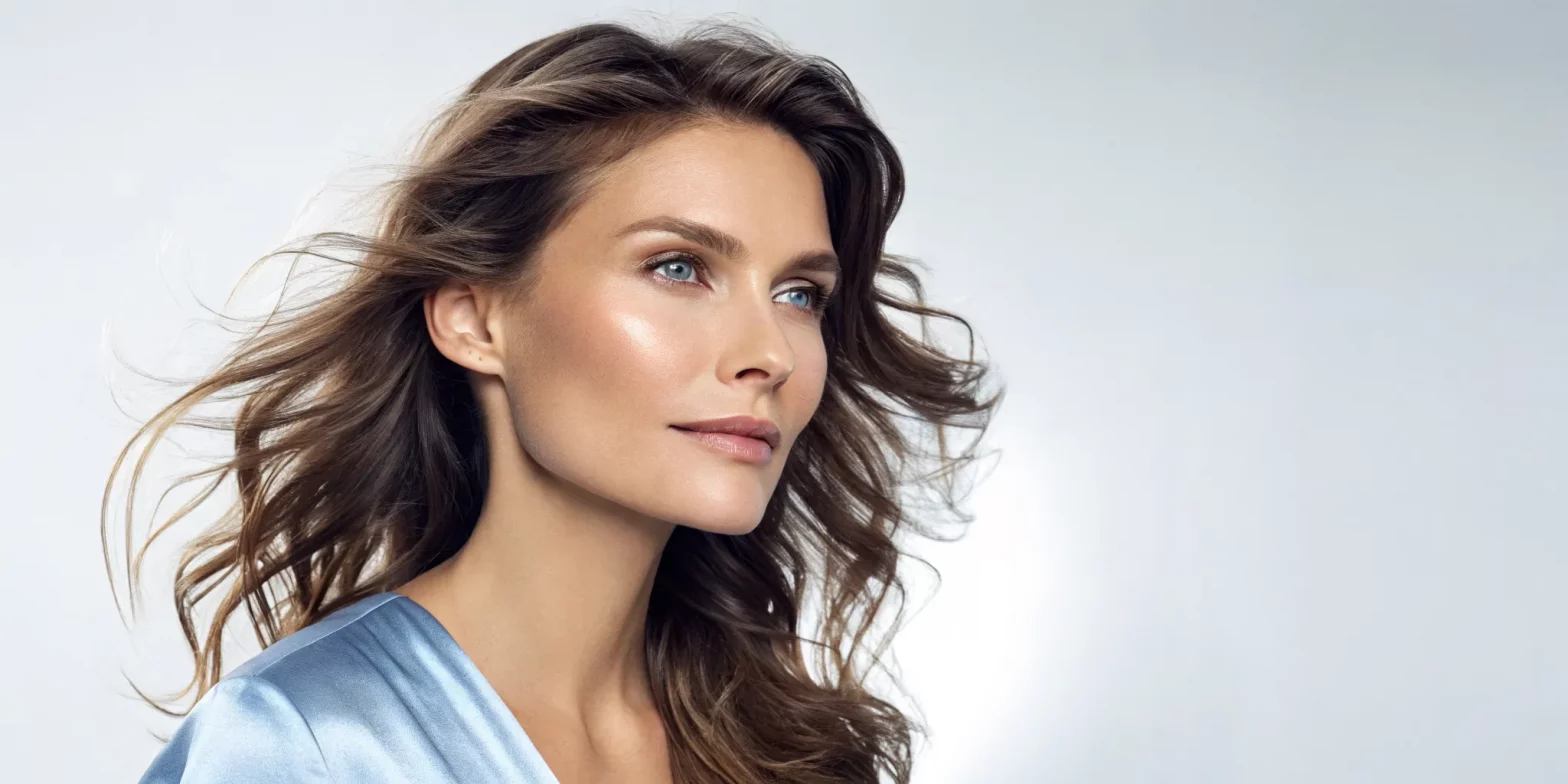
Let’s reframe the conversation about frizzy hair. Instead of seeing it as a problem to be fought, think of it as your hair’s way of communicating. That halo of flyaways is simply a signal that your hair is thirsty and needs more moisture and support. When you learn to read these signals, you can respond with the right care, transforming your routine from a daily battle into a nourishing ritual. This is especially true for color-treated hair, which sends out these signals more often because it’s more porous and prone to dryness. This guide is designed to empower you with the knowledge to understand your hair’s needs. We’ll walk you through the causes of frizz and provide a step-by-step plan to build a routine that delivers deep hydration and strength, resulting in the smooth, shiny hair you deserve.
Key Takeaways
- Prioritize Deep Hydration: Frizz is your hair’s way of telling you it’s thirsty. Since color-treated hair is more porous, it tries to absorb moisture from the air, so a weekly deep conditioning treatment is the most effective way to hydrate your strands and keep the cuticle smooth.
- Strengthen Hair from the Inside Out: Moisture is only half the battle; you also need to repair the structural damage that causes frizz. Using products with reparative ingredients like keratin and collagen helps rebuild the hair shaft, creating a stronger, less porous surface that can resist humidity.
- Adopt Gentle Daily Habits: Small changes in your routine can prevent frizz before it starts. Swap your rough cotton towel for a soft microfiber one, sleep on a silk pillowcase to reduce friction, and always use a heat protectant to shield your hair from styling damage.
What Exactly Is Frizzy Hair?
We’ve all had those days. You spend time styling your hair, only to look in the mirror an hour later and see a halo of flyaways and unruly strands. That, my friend, is frizz. It’s one of the most common complaints among those of us with color-treated hair, turning a sleek style into a puffy, undefined mess. But what’s really going on when your hair decides to frizz up? It all comes down to your hair’s structure. Think of each hair strand as being covered in a protective outer layer called the cuticle. When your hair is smooth and healthy, these cuticles lie flat. When it’s frizzy, they’re lifted and open. Understanding this simple mechanism is the first step toward getting the smooth, vibrant hair you want. Let’s break down what frizz looks like and how it relates to hair damage.
What does frizz look and feel like?
Frizzy hair often looks and feels dry, rough, and brittle. Instead of smooth, uniform strands, you’ll see individual hairs sticking out in different directions, creating a fuzzy or fluffy texture that can seem impossible to tame. This happens because the hair’s outer layer has been raised. When the cuticles are open, they don’t reflect light well, which is why frizzy hair can also appear dull and lackluster. This lifted cuticle layer creates a rough surface, preventing strands from aligning smoothly and giving your hair that messy, unkempt appearance, no matter how much you try to style it.
Is frizzy hair the same as damaged hair?
This is a great question, and the answer is: not necessarily, but they are very closely linked. Hair can be frizzy simply because it’s dehydrated and needs more moisture. However, damaged hair is almost always frizzy. Chemical treatments like coloring, along with heat styling, can weaken and break down the hair’s cuticle. This damage leaves the cuticle permanently lifted and porous, creating a direct pathway for frizz. So, while a person with healthy, virgin hair might get frizzy on a humid day, color-treated hair is far more susceptible because its defenses are already down. That’s why your routine needs a product that does more than just add moisture; it needs a post-color revitalizer to repair that structural damage and smooth the cuticle for good.
What Causes Hair to Frizz?
Frizz can feel like a daily battle, but understanding what’s actually happening with your hair is the first step toward winning the war. It’s not just one single thing; frizz is the result of a few key factors working together. Think of it as your hair’s way of telling you it needs something, whether that’s more moisture, a gentler touch, or a break from heat. When you see that halo of flyaways, your hair is sending out an SOS. By learning to read the signals, you can give your hair exactly what it’s asking for. Let’s get into the main reasons your hair might be frizzing out, so you can figure out exactly how to respond.
A lack of moisture
At its core, frizz is often a sign of thirsty, dehydrated hair. When your hair is dry, its outer layer, known as the cuticle, becomes rough and raised. In this state, your hair will try to absorb moisture from the environment around it, especially on humid days. This sudden influx of moisture causes the hair shaft to swell unevenly, making the cuticle lift even more and creating that telltale frizzy halo. This is especially true for color-treated hair, which often loses some of its natural moisture during the chemical process, leaving it more vulnerable to dryness from the start.
Damage from heat and chemical treatments
If you regularly color your hair or use styling tools like flat irons and blow dryers, you’re likely familiar with this culprit. Chemical treatments and high heat can compromise the structural integrity of your hair, creating cracks and gaps in the cuticle. This damage not only leads to breakage and split ends but also creates a rough, uneven surface that’s prone to frizz. A damaged cuticle can’t lie flat, which is essential for a smooth, shiny appearance. These processes can weaken hair over time, making a restorative treatment routine non-negotiable for maintaining its health and smoothness.
Your natural hair texture and genetics
Sometimes, frizz is simply part of your hair’s natural personality, and that’s perfectly okay. Wavy and curly hair types are more susceptible to frizz because the bends and curves in the hair shaft prevent natural oils from the scalp from traveling all the way down. This can leave the ends drier than the roots. Additionally, the shape of curly strands means the cuticle is not as flat as it is on straight hair. It’s important to distinguish between frizz from damage and the natural, beautiful texture of your hair that may not form perfectly uniform curls.
Friction from towels and rough handling
How you treat your hair when it’s wet can make a huge difference. Vigorously rubbing your hair with a standard, rough cotton towel can cause friction that lifts and damages the delicate hair cuticle. Since hair is most fragile when it’s wet, this rough handling can lead to immediate frizz and long-term damage. A simple switch can have a major impact. Instead of rubbing, try gently squeezing excess water out of your hair with a soft microfiber towel or even an old cotton t-shirt to keep your hair’s cuticle smooth and happy.
How Humidity Creates Frizz
We’ve all been there. You spend time styling your hair to perfection, only to step outside on a humid day and feel it instantly expand into a cloud of frizz. It’s frustrating, but it’s also pure science. When the air is full of moisture, your hair, especially if it’s dry or damaged, tries to absorb that moisture. This interaction between your hair and the water vapor in the air is what causes that unwanted texture. It’s a constant battle between your hair’s moisture level and the environment’s. Understanding this process is the first step to finally winning the war against frizz.
The science of humidity and your hair cuticle
Think of your hair’s outer layer, the cuticle, like shingles on a roof. When your hair is healthy and hydrated, these shingles lie flat and smooth, protecting the inner hair shaft and giving it a sleek appearance. However, when your hair is dry, it becomes thirsty for moisture. On a humid day, your parched strands try to soak up the excess water from the air. This influx of moisture causes the hair shaft to swell and pushes those smooth shingles up and open. The result is a rough, uneven surface that we see and feel as frizz. It’s your hair’s desperate attempt to find balance.
Why color-treated hair is more susceptible to humidity
If you color your hair, you might notice it’s especially prone to frizzing up in humid weather. This isn’t your imagination. The process of coloring your hair involves lifting the cuticle to deposit pigment inside the hair shaft. While this gives you your beautiful new shade, the cuticle doesn’t always seal back down completely. This leaves your hair more porous, with a permanently raised cuticle layer. A porous, open cuticle creates a perfect entry point for humidity to rush in, causing your strands to swell and frizz. This is why our approach focuses on clean clinical innovations that repair the entire hair structure, not just one part of it.
The Link Between Color-Treated Hair and Frizz
For additional guidance, explore our deep conditioning treatment for colored hair.
If you’ve noticed your hair gets a little wilder and frizzier after a color appointment, you’re definitely not imagining things. The very process that gives you that gorgeous new shade is also a major contributor to frizz. When you color your hair, you’re chemically altering its structure. This change makes your strands more vulnerable to the things that cause frizz in the first place, like humidity and dryness. Think of it like this: your hair’s natural defenses are lowered, and it needs extra support to stay smooth, shiny, and strong. Understanding this connection is the first step to giving your color-treated hair the specific care it needs to fight frizz and look its best. It’s not about giving up color; it’s about getting smarter with your aftercare.
How coloring can strip moisture from your hair
To deposit new pigment, hair color has to lift the hair’s protective outer layer, known as the cuticle. The issue is, this cuticle layer doesn’t always seal back down completely afterward. This leaves your hair strands with a rougher, more porous surface. Porous hair acts like a sponge, quickly absorbing moisture from the air, which causes it to swell and appear frizzy. At the same time, it struggles to hold onto the internal moisture it needs to stay hydrated, leading to that all-too-familiar combination of dryness, dullness, and frizz. This is exactly why freshly colored hair can feel coarse and look less vibrant without the right care.
Why your color-treated hair needs extra protection
Because the coloring process compromises your hair’s natural defenses, a standard conditioner often isn’t enough to restore its health. Your hair needs more than just surface-level softness; it requires deep, structural repair. This is where a dedicated post-color treatment becomes so important. Instead of only targeting bonds, a comprehensive formula repairs the entire hair structure, from the inner core that provides strength to the outer cuticle that creates shine. By rebuilding and sealing the hair shaft, you can effectively lock out humidity and lock in moisture, keeping frizz under control and your color looking brilliant.
Are You Accidentally Making Your Hair Frizzier?
We all want that smooth, glossy finish, but sometimes our daily habits get in the way without us even realizing it. You might be following what you think is a great routine, only to find your hair rebelling with frizz the moment you step outside. It’s a frustrating cycle, especially when you’ve invested in beautiful hair color. The truth is, the very things we do to care for our hair can sometimes be the source of the problem. For color-treated hair, this is even more critical. The chemical process of coloring can leave your hair more porous and vulnerable, making it extra thirsty for moisture and prone to frizz. The good news is that a few small tweaks can make a world of difference. Often, the path to smoother hair isn’t about adding more complicated steps, but about refining the ones you already do. It’s about understanding how certain actions affect your hair’s delicate structure. Let’s walk through some of the most common frizz-causing mistakes. You might be surprised to find a simple fix that changes everything for your hair, helping you protect your color and keep your strands silky smooth.
Using harsh shampoos too often
That squeaky-clean feeling after a wash might seem like a good thing, but it could be a red flag. Many shampoos use harsh sulfates that strip your hair of its natural oils. These oils are your hair’s built-in defense against dryness and frizz. When you wash them away, your hair cuticle becomes rough and thirsty, causing it to absorb moisture from the air and swell into a frizzy state. For color-treated hair, which is already more porous, using harsh shampoos can be especially damaging, leading to faster color fade and increased dryness. Instead, look for gentle, sulfate-free cleansers that clean your hair without stripping its essential moisture.
Drying your hair too roughly
After you wash your hair, what’s the first thing you do? If you reach for a standard cotton bath towel and start rubbing your hair vigorously, you’ve found a major frizz culprit. The rough texture of cotton towels creates friction against the hair cuticle, causing it to lift and fray. This is one of the quickest ways to create frizz before you even start styling. The fix is simple: switch to a microfiber towel or even an old, soft t-shirt. Instead of rubbing, gently squeeze and blot the excess water from your hair. This simple change is one of the main causes of hair frizz you can easily avoid.
Forgetting to use a heat protectant
We love what our flat irons, curling wands, and blow dryers can do for our style, but they can be tough on our hair. High temperatures can boil the water within the hair shaft and break down its natural proteins, leading to weak, brittle strands that are extremely prone to frizz. A heat protectant is your hair’s best defense. It creates a protective barrier that reduces moisture loss and distributes heat more evenly. Think of it as sunscreen for your hair; it’s a non-negotiable step if you want to keep your color-treated hair healthy and smooth while using heat from tools.
Brushing dry hair aggressively
Tackling tangles by brushing your hair when it’s dry can do more harm than good. Dry brushing, especially with a bristle brush, creates friction that can rough up the hair’s cuticle and even cause breakage. This action disrupts the smooth surface of your hair, leading directly to static and frizz. If you need to detangle, it’s best to do it when your hair is damp and protected with a leave-in conditioner or detangling spray. Use a wide-tooth comb and start from the ends, working your way up gently to the roots to minimize stress and prevent damage.
Skipping your deep conditioner
If you have color-treated hair and you’re fighting frizz, a deep conditioner isn’t a luxury; it’s a necessity. While your daily conditioner helps with surface-level softness, it often isn’t enough to repair the dryness and damage that lead to chronic frizz. A quality deep conditioner, like our Post-Color Revitalizer, infuses your hair with concentrated moisture and reparative ingredients that penetrate the hair shaft. It’s designed to do just that, using keratin and collagen to restore strength and smooth the cuticle from the inside out. Making this a weekly ritual will replenish your hair’s moisture reserves, leaving it stronger, shinier, and far less frizzy.
What to Look for in an Anti-Frizz Product
For additional guidance, explore our keratin for hair color damage recovery.
Choosing the right product can feel like searching for a needle in a haystack, but it gets a lot easier when you know what your hair truly needs. Since frizz is a cry for moisture, the goal is to find formulas that hydrate deeply and repair the damage that lets humidity in. It’s about finding the right balance of powerful, nourishing ingredients while steering clear of the harsh additives that can make things worse, especially for color-treated hair.
Key ingredients that smooth and hydrate
Think of frizzy hair as thirsty hair. When your strands are dry, they try to absorb moisture from the air, which causes the hair’s outer layer, the cuticle, to swell and create frizz. The solution is to quench that thirst with products rich in hydrating ingredients. Look for natural oils and butters that seal in moisture. Things like sunflower oil, argan oil, and jojoba oil are fantastic because they smooth the cuticle without weighing your hair down. These ingredients provide the deep nourishment your hair craves, leaving it feeling soft and looking sleek. The right science and ingredients work together to restore your hair’s moisture balance from the inside out.
Ingredients to avoid for color-treated hair
If you color your hair, you know it needs a little extra love. The coloring process can leave the hair cuticle raised and porous, making it more prone to frizz and moisture loss. That’s why it’s so important to avoid ingredients that strip your hair of its natural oils. Harsh sulfates are a major culprit, as they can dry out your hair and fade your beautiful color. You’ll also want to skip silicones that can cause buildup, and parabens, which many people prefer to avoid in their beauty routines. Choosing products free from these additives helps protect your hair’s integrity and keeps your color looking vibrant and fresh.
Your Go-To Solution: The Solanesse Post-Color Revitalizer
Finding a product that does all of this might sound like a tall order, but it’s exactly why we created our Deep Conditioner – Post Color Revitalizer. It’s designed specifically for the challenges of color-treated hair. Instead of just coating the hair, it repairs damage from within using a powerful blend of keratin, collagen, and peptides. This formula rebuilds the entire hair structure, from the core that provides strength to the outer cuticle that delivers shine. It gives your hair the intense hydration it needs to fight frizz while being completely free of sulfates, silicones, and parabens. The result is instant softness, a noticeable reduction in frizz, and hair that feels strong and healthy.
How to Tame Frizzy Hair: Your Treatment Guide
For additional guidance, explore our hair mask vs deep conditioner for colored hair.
Okay, so we’ve covered the science behind frizz. Now for the fun part: the solution. Getting smooth, manageable hair isn’t about fighting it into submission. It’s about understanding what it needs and creating a routine that delivers deep nourishment. Think of this as your roadmap to finally taming frizz for good.
Embrace deep conditioning and hydrating masks
The number one rule for frizzy hair is moisture. When your hair is dry, its outer layer, the cuticle, lifts up to grab moisture from the air, which is what creates that frizzy texture. A high-quality deep conditioner or hydrating mask is your most powerful tool. For color-treated hair, this step is non-negotiable. A product like our Deep Conditioner – Post Color Revitalizer is specifically designed to replenish moisture lost during chemical services, leaving your hair instantly softer and smoother. Always finish with a conditioner to seal the cuticle and lock in all that goodness.
Strengthen with keratin and protein treatments
While moisture is key, strength is the other half of the equation. Damaged, porous hair is a magnet for frizz. To truly solve the problem, you need to repair the hair’s internal structure. This is where ingredients like keratin, collagen, and peptides come in. They work to rebuild the protein bonds that give your hair its resilience and integrity. Our formula was created to repair the entire hair structure, from the inner core that provides strength to the outer layer that creates shine. By reinforcing your hair from within, you create a stronger, less porous strand that is better equipped to resist humidity and stay smooth. You can learn more about our science and ingredients and how they work together.
Seal in moisture with leave-ins and oils
After you’ve hydrated and strengthened your hair, the final step is to seal the cuticle. This creates a protective barrier that locks in moisture and, just as importantly, blocks out the humidity that causes frizz. Look for lightweight leave-in conditioners or hair oils containing nourishing ingredients like sunflower or argan oil. Apply a small amount to damp hair, focusing on the mid-lengths and ends. This simple step acts like a raincoat for your hair, ensuring that all your hard work in the shower pays off with a smooth, long-lasting finish. Using hair oil correctly can make a huge difference in your routine.
Get regular trims to manage split ends
This might be the most straightforward tip, but it’s one of the most effective. Split ends are a direct path to frizz. When the end of a hair strand splits, that damage can travel up the shaft, creating a rough, frayed texture along the way. Getting regular trims every six to eight weeks removes these damaged ends before they can cause more trouble. Think of it as preventative maintenance for your hair. By snipping off the splits, you keep your hair healthy from the bottom up, ensuring it looks smooth, polished, and free of unwanted frizz.
Create Your Anti-Frizz Hair Care Routine
Building a routine that keeps frizz at bay is less about fighting your hair and more about understanding what it needs. When your hair is properly hydrated and handled with care, it doesn’t need to pull moisture from the air, which is the primary cause of that frustrating halo of frizz. A consistent routine can transform your hair’s texture, especially if it’s been through color treatments. Think of it as a simple, three-part system: how you wash and condition, how you dry, and how you style. Each step builds on the last to create a smooth, sealed hair cuticle that’s resilient to humidity and stays sleek all day. By making a few small adjustments to your daily habits, you can create a powerful defense against frizz and help your color-treated hair look its absolute best. Let’s walk through how to perfect each stage of your routine for a smooth, lasting finish.
Perfect your washing and conditioning technique
Your battle against frizz starts in the shower. Since dry hair is the main culprit, your goal is to infuse as much moisture as possible and then seal it in. Start by washing your hair with lukewarm or cool water. Hot water might feel nice, but it can strip your hair of its natural oils and cause the cuticle to swell, inviting frizz. Conditioning isn’t an optional step; it’s your most important one. After shampooing, generously apply a deep conditioner to replenish the moisture your hair has lost. A quality formula, like our Post-Color Revitalizer, works to repair the hair structure and seal the cuticle. This simple action locks in hydration, creating a smooth surface that’s less likely to frizz up when you step outside.
Adopt frizz-reducing drying methods
How you dry your hair is just as important as how you wash it. Aggressively rubbing your hair with a rough cotton towel is one of the fastest ways to rough up the cuticle and create frizz. Instead, gently squeeze and blot the excess water from your hair with a microfiber towel or a soft cotton t-shirt. This small change significantly reduces friction and protects your hair’s delicate outer layer. If you blow-dry your hair, always use a heat protectant first. To minimize damage and frizz, attach a diffuser to your dryer to soften the airflow and distribute heat more evenly. Once your hair is about 90% dry, switch to the cool shot setting. This blast of cold air helps to seal the hair’s cuticle, locking in your style and adding a great dose of shine.
Style your hair for a smooth, lasting finish
The final step in your routine is to apply styling products that provide a protective barrier against humidity. Look for lightweight serums or oils that can seal in moisture without weighing your hair down. These products act as a final coat of armor, preventing your hair from absorbing moisture from the environment throughout the day. Focus on products with high-quality ingredients that nourish the hair while taming flyaways. Our formula uses clean, effective ingredients like keratin, collagen, and sunflower oil to do just that. You can learn more about our science and ingredients and see what makes a difference. A few drops of a nourishing oil applied to your mid-lengths and ends can give you that perfect, glossy finish while keeping frizz under control from morning to night.
How to Prevent Frizzy Hair Before It Starts
The best way to manage frizz is to stop it from happening in the first place. While you can’t change your hair type or the weather, you can adopt a few simple habits that make a world of difference. It’s all about creating a protective barrier for your hair, keeping the cuticle smooth, and locking in moisture. Think of it as proactive care that sets your hair up for success, making your daily styling routine so much easier.
Adopt protective styles and overnight habits
How you wear your hair day-to-day and overnight can significantly impact frizz. Frizz happens when your hair’s outer layer, the cuticle, lifts and lets in moisture from the air, causing it to swell. Protective styles like loose braids, twists, or a simple bun keep the cuticle smoothed down and reduce friction from your clothes or hands. At night, leaving your hair loose can lead to tangles and friction against your pillow. Instead, try sleeping in a loose braid or a high, loose bun (often called a “pineapple”). Wrapping your hair in a silk or satin scarf or bonnet is another fantastic way to protect your strands while you sleep, ensuring you wake up with smoother, more manageable hair.
Switch to silk pillowcases and microfiber towels
If you’re waking up with a halo of frizz, your pillowcase might be the culprit. Traditional cotton pillowcases are highly absorbent and can wick moisture away from your hair, leaving it dry and prone to frizz. The rough texture also creates friction, roughing up the hair cuticle as you toss and turn. Making the switch to a silk or satin pillowcase allows your hair to glide smoothly, reducing friction and helping it retain its natural moisture. The same logic applies to your bath towel. A rough terrycloth towel can be too harsh on delicate, wet hair. Instead, gently squeeze out excess water with a soft microfiber towel or even an old cotton t-shirt to absorb water without causing frizz.
How often should you deep condition color-treated hair?
For color-treated hair, deep conditioning isn’t a luxury; it’s a necessity. The coloring process can leave hair more porous and vulnerable to moisture loss, which is a direct invitation for frizz. A weekly deep conditioning treatment is a great rule of thumb to restore hydration and strength. Solanesse isn’t just another conditioner, it’s a post hair-color repair ritual. Our Post-Color Revitalizer was designed to repair the entire hair structure, from the outer cuticle that gives you shine to the inner core that provides strength. Using a targeted treatment like this regularly will replenish the moisture your color-treated hair craves, keeping the cuticle sealed, smooth, and resistant to frizz.
Nourish your hair from the inside out
While topical products are essential, truly healthy, frizz-resistant hair starts from within. Your hair is a reflection of your overall health, so nourishing your body can have a beautiful impact on your strands. Make sure you’re drinking plenty of water throughout the day, as hydration is fundamental for your entire body, including your hair follicles. A balanced diet rich in vitamins, minerals, and healthy fats also plays a crucial role. Foods containing omega-3 fatty acids (like salmon and walnuts), biotin (eggs and almonds), and iron (spinach and lentils) can help build strong, resilient hair from the inside out. When your hair is properly nourished, it’s better equipped to retain moisture and fight off frizz.
Related Articles
Frequently Asked Questions
I use conditioner every time I wash my hair, so why is it still frizzy? This is a super common frustration. Think of your daily conditioner as a top coat; it helps to smooth the hair’s surface for easier detangling and adds a bit of shine. A deep conditioner, however, is a true treatment. It’s formulated with more concentrated ingredients that penetrate the hair shaft to repair damage and deliver intense hydration from within. For color-treated hair, which is often more porous and dry, a daily conditioner just isn’t enough to fix the underlying issues that cause frizz. How often should I use a deep conditioner on my color-treated hair? For color-treated hair that’s prone to frizz, making deep conditioning a weekly ritual is the best approach. Consistency is what truly transforms your hair’s health. A weekly treatment replenishes the moisture and strength that are lost during coloring and daily styling. This regular infusion of reparative ingredients like keratin and collagen helps keep your hair’s cuticle sealed, making it much more resilient to humidity and frizz over time. Can I ever completely get rid of frizz for good? While it would be amazing to have a one-and-done solution, frizz is something you manage rather than eliminate forever. Factors like your natural hair texture and the humidity in the air will always play a role. However, by building a consistent routine with the right products and techniques, you can dramatically reduce frizz and keep your hair smooth and controlled almost all the time. The goal is to get your hair so healthy and hydrated that frizz becomes a rare occurrence instead of a daily battle. Is air-drying or blow-drying better for preventing frizz? Neither method is inherently better; it all comes down to your technique. If you air-dry, the key is to apply your styling products to damp hair and then leave it alone. Touching, scrunching, or fussing with your hair as it dries can disrupt the cuticle and create frizz. If you prefer to blow-dry, always use a heat protectant and attach the nozzle to direct the airflow down the hair shaft. Finishing with a cool shot will help seal the cuticle for a smooth, shiny finish. Will switching to a silk pillowcase really make that much of a difference? Yes, this small change can have a surprisingly big impact. Standard cotton pillowcases have a rougher texture that creates friction as you move in your sleep, roughing up your hair’s cuticle and leading to frizz and tangles by morning. Cotton is also very absorbent, so it can pull moisture from your hair overnight. A silk or satin pillowcase provides a smooth surface, allowing your hair to glide without friction and helping it retain its natural moisture.


