


Hair that breaks after every color service is crying out for more than just a surface level fix. A standard bond repair treatment works by mending the broken disulfide bridges inside your hair fibers to restore strength. While this helps fix internal cracks, true hair health requires a ritual that protects the entire structure from the cuticle to the core.
A bond repair treatment is a formula designed to mend broken disulfide bonds inside color-damaged hair, restoring inner strength. However, standard treatments often ignore the outer cuticle and cell membrane complex. True hair health requires a whole-structure approach that rebuilds and seals every layer of the strand for lasting softness, strength, and shine.
You might be asking how these chemical fixes actually change the way your hair looks and feels. To understand the science behind your post-color routine, we must first define the process. We will start by exploring What Is a Bond Repair Treatment and How Does It Work? Here is how.
What Is a Bond Repair Treatment and How Does It Work?
A bond repair treatment is a special type of hair care product. It fixes the inner parts of the hair that get weak when you dye it or use heat. Most post-color bond repair treatment options go deep inside each hair strand. They find broken parts and try to link them back together. This helps the hair stay strong and look smooth after chemical work.
How hair bonds stay strong
Your hair stays strong because of small links called bonds. The most important ones are hydrogen, disulfide, and ionic bonds. These links hold the hair fibers together. When you color your hair, these bonds can break or change. This happens because the chemicals used in dye interact with the proteins in your hair. If too many links break, your hair can become dry and weak.
Fixing damage from the inside out
Standard conditioners only coat the outside of the hair. A true how bond repair works process is different because it acts on the internal structure. It helps restore the balance of links inside the fiber. This deep work is key because the cortex, which is the main part of the hair, gives it strength. When the links are fixed, the hair is less likely to snap or frizz.
Some tools focus only on one type of link, like disulfide bonds. But new science shows that hair needs more care. Healthy hair depends on a full repair ritual that fixes the cuticle and the cell membrane. By fixing the whole structure, the hair can feel soft and look shiny again after just one use.
Understanding the Three Types of Hair Bonds
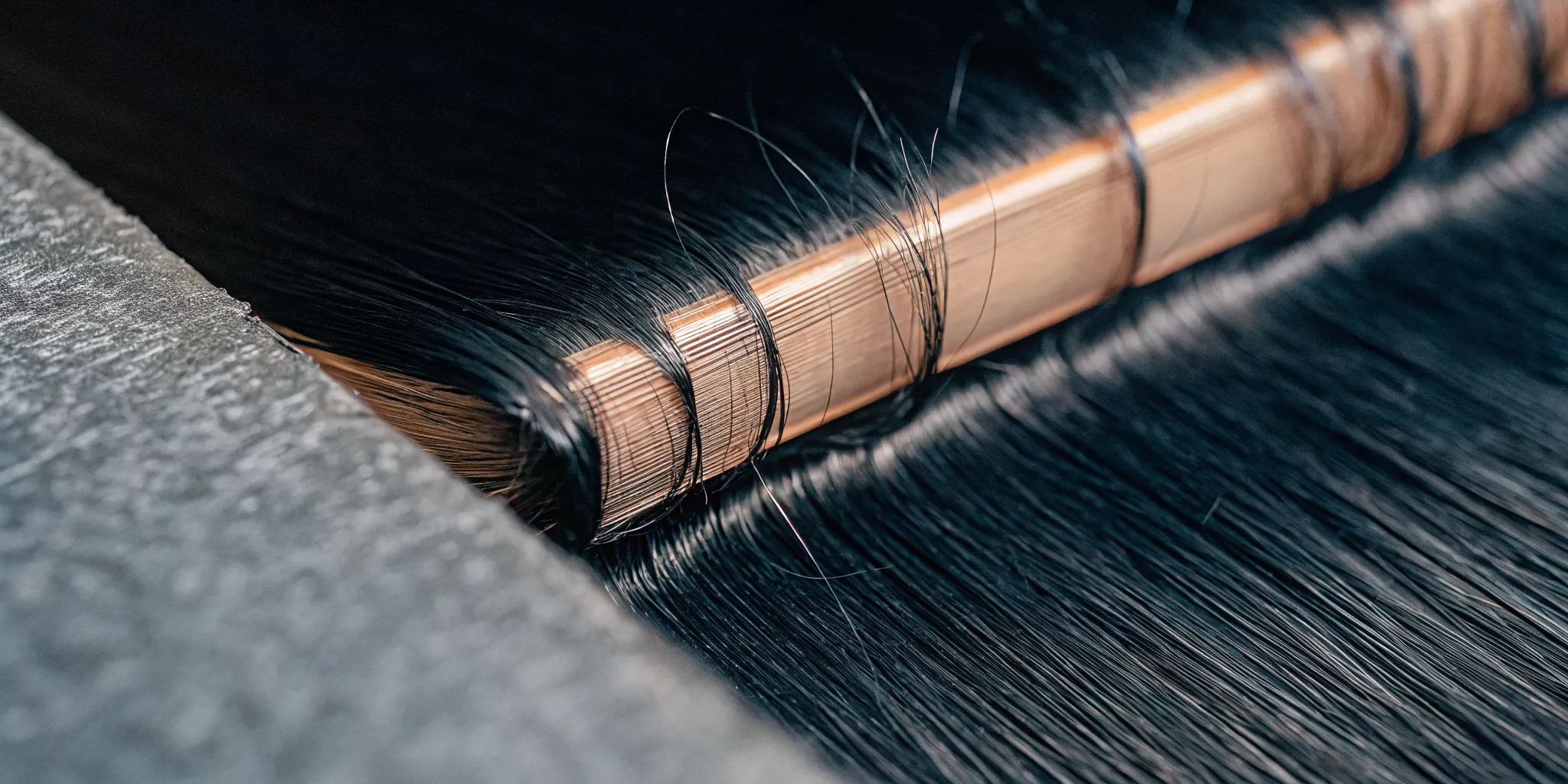
Every hair strand is a complex structure made of keratin fibers. The way these fibers act depends on three types of chemical bonds: disulfide, hydrogen, and ionic. These hair bonds work together to give your hair its shape, strength, and bounce. When you color your hair, chemical agents can break these bonds and change how your hair feels and looks. Understanding these links is the first step in finding the right post-color bond repair treatment for your needs.
The role of disulfide bonds
Disulfide bonds are the strongest links in your hair. They connect the sulfur-rich protein chains that form the main body of the hair fiber. These bonds are vital for the stability of your hair’s shape. Unlike other links, they do not break when your hair gets wet. However, chemical treatments like bleach and permanent dyes are made to interact with these bonds to change your hair color. This process can leave the fibers weak and prone to breakage. Most people look for a how bond repair works guide to fix this specific damage.
Research shows that disulfide bonds are not all the same. They vary in where they are located and how they react to different hair products. This is why a simple surface conditioner is not enough to restore hair that has been through many color sessions. You need a formula that can reach deep into the hair shaft to address the internal protein structure.
Hydrogen and ionic bonds
Hydrogen and ionic bonds are much weaker than disulfide bonds, but they exist in larger numbers. Hydrogen bonds break easily when your hair is wet or when you use hot styling tools. They reset as your hair dries or cools, which is how you can change your hair style for the day. Ionic bonds, also called salt bonds, are affected by the pH level of the products you use. Even though these bonds are temporary, their health is still a key part of how smooth and shiny your hair looks.
Chemical coloring can upset the balance of these weaker bonds. When they are out of place, your hair might feel dry, fuzzy, or hard to manage. A high-quality treatment helps to keep these bonds in check by providing the right environment for them to stay stable. This is especially important for women who color their hair often to cover gray, as the hair can become more porous over time.
Whole structure repair
While many products focus only on one type of bond, your hair is more than just protein chains. It has a protective outer layer called the cuticle and a glue-like material known as the cell membrane complex. True structural hair repair must address all these parts to be effective. If you only fix the bonds but leave the cuticle open, your hair will still lose moisture and shine very quickly.
A full ritual should help the whole hair fiber, from the core to the surface. Using a weekly treatment that targets the cortex, cuticle, and cell membrane complex can help you minimize damage from both color and daily styling. This whole-structure approach ensures that your hair stays strong and looks healthy, no matter how often you choose to change your color.
The Limits of Bond-Only Hair Treatments
Many people use a post-color bond repair treatment to fix damage from hair dye. These products work to link protein bonds back together inside the hair. While this is helpful, it is only one part of the fix. Hair health depends on three main types of bonds: hydrogen, disulfide, and ionic. Disulfide bonds give hair its basic shape and strength, but they are not the whole story.
What bond repair leaves out
A standard bond repair treatment often focuses just on the protein chains. But a hair strand is a complex structure with many layers. Beyond the bonds, your hair has a cuticle, a cortex, and a cell membrane complex. If a treatment only fixes the bonds, the rest of the hair can still feel dry and rough. To get truly healthy hair, you must look at how bond repair works across every layer of the fiber.
When you color your hair, chemical agents break the bonds that keep it strong. This process also damages the outer layers that keep moisture in. Focusing only on protein bonds is like fixing the frame of a house but leaving the roof and walls broken. The hair might have internal strength, but it will still lose moisture and shine because the outer layers are still weak.
The role of the cuticle and cortex
The cuticle is the outermost layer of your hair. Its job is to protect the inner core from damage and stress. When the cuticle is torn or lifted from coloring, your hair becomes porous. This means it can no longer hold onto the water or oils it needs to stay soft. Bond builders do not always seal this layer back down, which can leave your hair feeling like straw even after a treatment.
Deep inside the hair, the cortex makes up the bulk of the fiber. It holds the proteins that give your hair its bounce and stretch. While re-linking bonds in the cortex is good, the cortex also needs lipids and moisture to stay flexible. Without these, the hair can become brittle. A full repair ritual needs to address the whole structure of the hair to ensure it stays smooth and strong over time.
Missing the cell membrane complex
The cell membrane complex, or CMC, acts as the glue that holds the hair cells together. It is vital for keeping the hair fiber stable and healthy. Many common treatments skip this layer entirely. When the CMC is weak, the hair cells can shift or break apart more easily. This leads to split ends and a dull look that bond-only products cannot fix on their own.
Restoring the CMC helps the hair stay intact and improves how it feels. A ritual that cares for the CMC along with the cuticle and cortex provides a much better result. It moves past simple bond-building to create a full restoration. This leads to hair that not only is strong on the inside but also looks and feels healthy on the outside.
Disulfide Bonds vs. Whole-Structure Hair Repair
Most bond builders focus on the tiny chemical ties within the hair shaft. These are known as disulfide bonds. They give each strand its shape and strength. When you use harsh dyes, these ties can break. Using a post-color bond repair treatment helps to link these ties back together. This fix helps to stop hair from breaking right away. But, fixing bonds alone does not restore the full health of your hair.
How Bond Repair Works
Chemical dyes and heat tools put a lot of stress on your hair. These things can break the bonds that keep hair strong. Tests show that disulfide bonds are key for hair strength. Most bond builders use acids to link these broken parts. This helps the hair feel stronger for a short time. However, it does not always help the outer layers of the strand.
Restoring Every Layer
Hair has three main parts. The outer shield is the cuticle. The thick middle part is the cortex. There is also a glue called the cell membrane complex. Common bond repair tools often skip the outer and glue layers. Whole-structure repair helps all three at once. Science shows the cuticle is the outer layer of the hair. It protects the soft inner parts from more harm.
The Solanesse Ritual
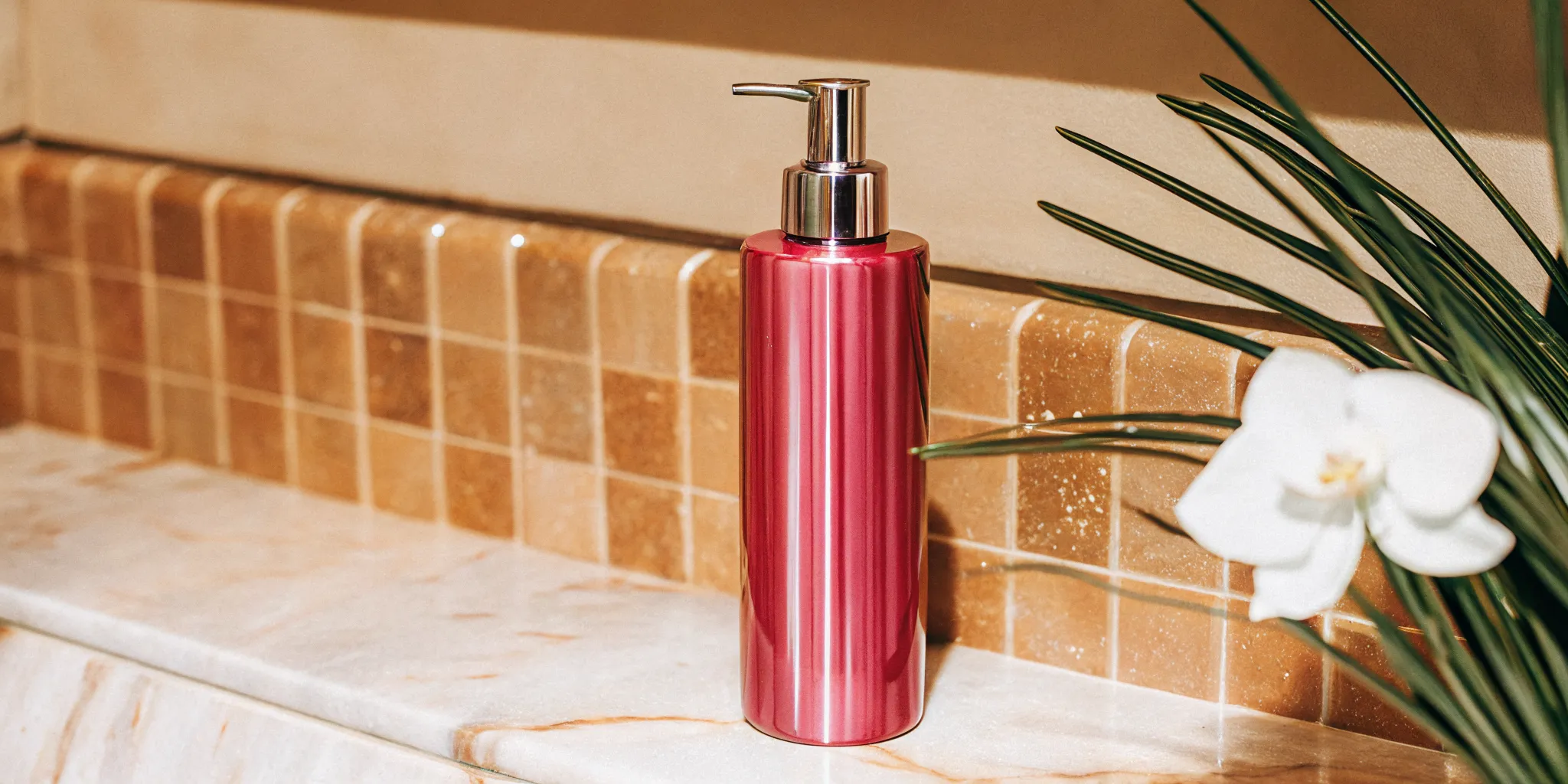
Solanesse uses a clean, plant-based blend to fix the whole hair fiber. The formula has keratin, collagen, and peptides. It also has sunflower oil, bergamot, and vanilla for a light scent. You only need to leave it on for 10 to 15 minutes. This single step is much easier than a multi-step system. In a test, 90% of women said their hair looked better after just one use. This luxury ritual gives you fast results you can see and feel.
Comparing Repair Methods
Finding the right product depends on what your hair needs. Some items only fix the internal bonds. Others fix the surface and the inner glue as well. Use the table below to see how these two types of repair work. You can see how each one acts on different parts of the hair fiber. This will help you choose the best way to keep your hair strong and soft.
| Feature. | Disulfide Bond Repair. | Whole-Structure Repair. |
|---|---|---|
| Target Layers. | Disulfide bonds only. | Cuticle, cortex, and CMC. |
| Key Tech. | Maleic acid or similar. | Peptides, keratin, and oils. |
| Time Needed. | Varies (often multi-step). | 10-15 minutes (single step). |
| Major Benefit. | Rebuilds protein links. | Strength, shine, and softness. |
| User Results. | Standard results. | 90% noticed healthier hair. |
How to Choose: Bond Repair Treatment vs. Hydrating Conditioner
Choosing between a bond repair treatment and a hydrating conditioner depends on the state of your hair. Many people confuse the two, but they serve different goals. If your hair feels dry, you might need moisture. If it feels weak or snaps easily, you likely need structural repair. Knowing the signs of each can help you pick the best care for your locks.
Finding structural damage
Structural damage happens deep inside the hair fiber. Chemical color treatments and heat tools can break the tiny links that hold your hair together. These links, called disulfide and hydrogen bonds, keep the hair shaft strong and stable. Research shows that breaking these bonds can lead to brittle hair and split ends. You might notice your hair feels “mushy” when wet or breaks off when you brush it.
A bond repair treatment works by finding these broken links and helping them stay together. This process happens in the cortex, which is the main part of the hair shaft. If you color your hair often, your hair may need this inside help to stay healthy. Look for a post-color bond repair treatment that can reach these deep layers. Common signs that you need structural repair include the following:
- High elasticity snap: Strands that snap instantly when stretched, indicating compromised protein chains.
- Progressive split ends: Severe split ends that continue to travel up the hair shaft if left untreated.
- Persistent rough texture: A coarse, dry feel that persists even after washing and standard conditioning.
- Limp curl patterns: A visible loss of natural bounce, wave structure, or curl definition.
- Excessive post-wash tangling: Strands that lock and knot together immediately after shampooing.
- High porosity behavior: Hair that absorbs water rapidly but dries out almost immediately, leaving it parched.
Fixing surface dryness
Hydrating conditioners focus on the outer layer of the hair, known as the cuticle. The cuticle protects the inner parts of the hair and helps it stay smooth and shiny. When this layer is healthy, your hair can hold onto moisture better. Daily habits like brushing and sunlight can wear down this protective shield over time.
A standard conditioner adds a coating to the hair to make it soft. This helps with tangles and gives your hair a healthy look. While surface care is good, it does not fix the core strength of the hair. If your hair is just thirsty but not damaged by chemicals, a simple hydrating product might be enough to restore its shine. This type of care is best for hair that feels dull or frizzy due to weather or dry air.
One way for color-treated hair
Many women who color their hair need both strength and moisture. Instead of using two other products, you can find ways that do both. A full repair ritual should target the cuticle, the cortex, and the cell membrane complex. This “whole-structure” approach ensures that every part of the hair gets the care it needs. Using one product saves time and keeps your routine simple.
Using a blend of plant-powered ingredients like hydrolyzed keratin and sunflower oil can help. This mix gives the hair protein for strength and oils for softness. You can learn more about how bond repair works to see why this balance matters. A weekly ten-minute ritual can make a big change in how your hair looks and feels. This ensures you can color freely without fear of long-term damage.
The Ultimate Step-by-Step Post-Color Hair Ritual
You can keep your hair strong and bright after you color it. A good post-hair-color repair ritual helps fix damage from strong dyes. Many people now look for a post-color bond repair treatment to help their hair feel soft again. This simple act can change how your hair looks and feels for weeks. It is a way to love your hair and give it the care it needs to stay healthy.
Why timing and a plan matter
How often you treat your hair is just as vital as the tools you use. Studies show that daily hair care habits and a steady deep care plan can save your hair from stress. For most women, a once-a-week plan is the best way to keep your hair strong. You only need 10 to 15 minutes for each session. This short wait gives the mix time to move into the hair fiber and fix the structure.
Giving your hair this time is a form of self-care that pays off in shine and health. If you skip this, your hair may become dry and brittle over time. Coloring your hair can open the outer layer, so you must seal it back up to keep the color in. A steady plan makes sure your hair stays bold and full of life between salon trips.
Four steps to deep repair
Follow these four steps to get the most out of your once-a-week hair plan. This process ensures your hair gets the help it needs to stay strong and smooth after you use dye.
- Prepare with gentle cleansing: Wash your hair with a mild, sulfate-free shampoo to remove buildup, dust, and excess sebum, allowing subsequent products to penetrate deeply.
- Apply thoroughly to damp strands: Distribute a generous amount of the cream evenly from mid-lengths to ends, paying extra attention to the most vulnerable, color-treated tips.
- Allow the treatment to penetrate: Leave the formula on your hair for 10 to 15 minutes, giving the peptides, proteins, and nourishing oils ample time to reinforce every layer of the hair fiber.
- Seal with a cool rinse: Rinse thoroughly with cool water to smooth down the cuticle scales, locking in active ingredients and enhancing natural shine and slip.
- Style with minimal tension: Gently pat your hair dry with a soft microfiber towel and style as desired, avoiding high-heat tools or aggressive pulling to protect the newly restored structure.
How the parts work
Hair is made of a strong protein called keratin. When you use color, it can break the bonds in hair fibers, which makes hair weak. Solanesse uses a blend of hydrolyzed keratin and plant peptides to fix these areas. These bits of protein act like tiny bricks to fill in gaps in your hair. This is how bond repair works to restore the whole hair structure.
The mix also uses sunflower oil to add a layer of glow and moisture. It works with collagen to make each strand feel firm but flexible. Bergamot and vanilla give the mix a sweet, fresh scent that makes the plan feel like a spa trip. Using these clean tools helps you live boldly with hair that feels as good as it looks. When you follow this simple ritual, you give your hair the power to bounce back from any color change.
Frequently Asked Questions
Can hair bonds really be repaired?
Yes, you can fix the inner links that break when you dye your hair. These products work to join broken chemical ties back together. According to academic research, hair strength comes from a mix of bonds inside each strand. While these fixes help, full health also needs care for the outer layer. Using a treatment can lower the bad effects of color damage. It helps your hair look shiny and feel strong after a salon visit.
How often should you use a bond repair treatment?
Most people find that a weekly ritual is best for keeping hair healthy. You should apply the treatment for about 10 to 15 minutes to let it work deep inside. This regular care helps to stop new damage from daily life. Based on data from Solanesse, this short ritual can lead to hair that looks much better after just one use. Sticking to a routine keeps your color-treated hair soft and tough over time.
Is bond repair treatment suitable for curly hair?
Bond repair is very good for curly hair. Curls need strong inner links to keep their bounce and shape. When these links break from heat or color, curls can look limp or frizzy. As noted in academic studies, the way hair acts depends on the state of its internal chemical bonds. A good treatment fixes these ties to restore your own pattern. This makes your curls look defined and feel much stronger without adding heavy weight to your hair.
What is the difference between bond repair and structural repair?
Standard bond repair only fixes the tiny ties inside each hair strand. Structural repair goes further by fixing the whole hair fiber. This includes the outer cuticle and the cell membrane complex that acts like glue. Research from Solanesse shows that fixing the full structure leads to better health. This approach does more than just link proteins. It protects every layer of the hair so it can stay strong, shiny, and soft for a long time.
Are you ready to fix your hair and keep it strong after color?
If you wait to fix the harm from hair color, your strands will stay dry and weak while damage sinks deep into the hair shaft. Starting a deep repair ritual right now stops this harm from getting worse and helps you keep your hair strong and bright for much longer. Acting today means your next color service will look better because you stopped the cycle of dullness and thinning by giving your hair deep care.
Ready to request your ritual? Visit our shop and order now to purchase the Deep Conditioner Post-Color Revitalizer and start your path to healthy hair. You can keep it strong for years to come.


