


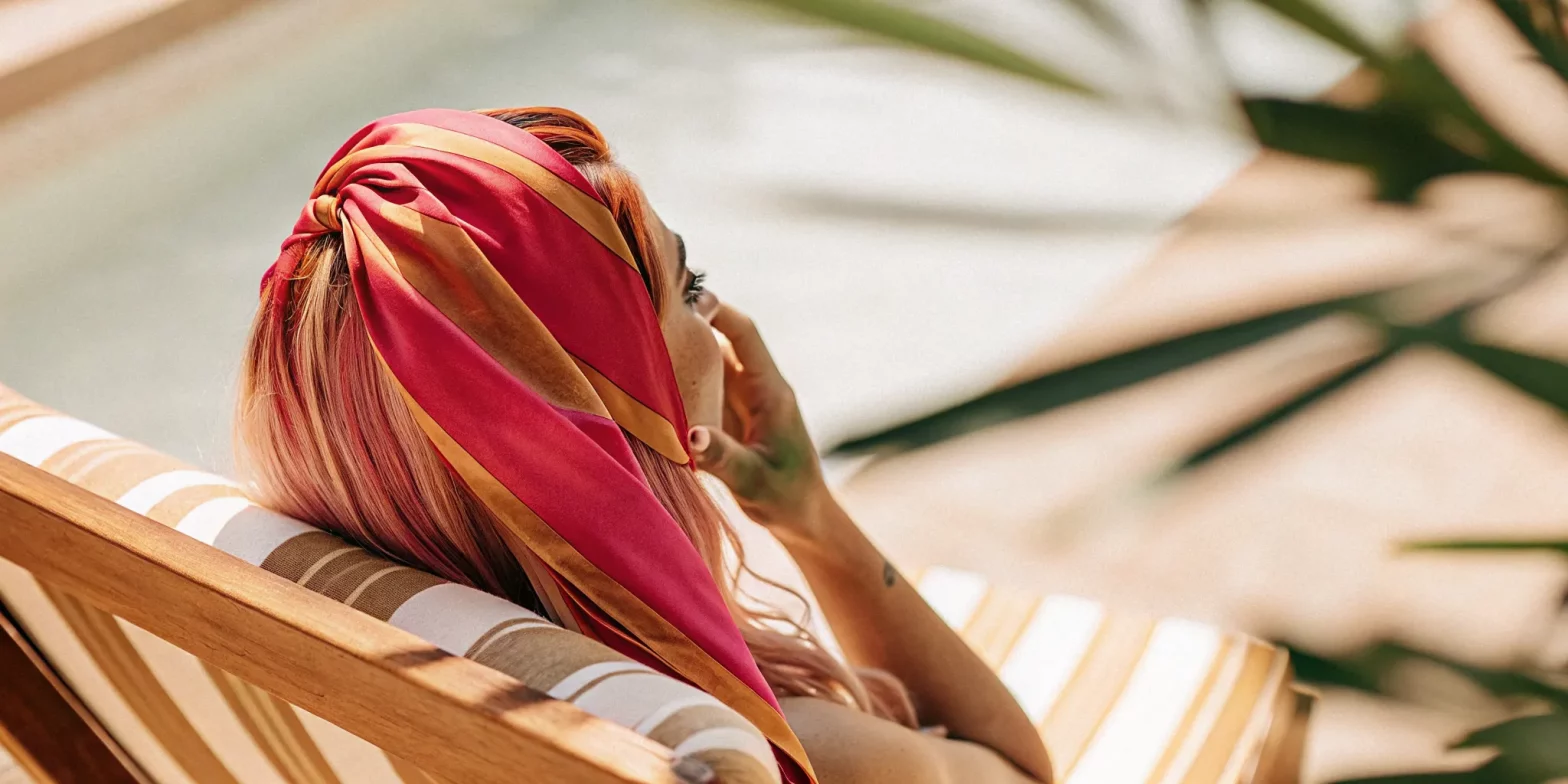
Summer sun and pool water can ruin new hair color in just a few days. UV rays split open the outer layer of your hair and let your rich dye wash away. To keep your shade bright and healthy, you must change your summer routine.
Knowing how to protect colored hair from sun damage is the first and most important step toward keeping your rich salon shade healthy and vibrant all summer long. A study published by the National Institutes of Health confirms that ultraviolet radiation is indeed the most frequent cause of structural impairment to the natural hair shaft. You can block this environmental stress easily by wetting your hair with fresh water before swimming to prevent your delicate strands from drinking in pool chlorine and salt. Rinsing your locks right away and using a silicone-free deep conditioner repairs the cuticle, cortex, and cell membrane complex to restore soft texture and seal in rich color.
But why does the summer sun have such a harsh impact on your hair? To protect your look, you must first understand the science of sun damage. The science of summer damage starts with understanding How UV Rays Fade Color-Treated Hair.
Protect Colored Hair From Sun: How UV Rays Fade Color-Treated Hair
Your hair color is a bold form of self-expression. But when summer arrives, the sun can become your hair’s biggest enemy. Sunlight does not just warm your skin; it breaks down the chemical bonds in your hair. Knowing how light damages your strands is the first step to keep your shade bright.
UVA and UVB damage
Sunlight contains harmful UVA and UVB rays. Each ray damages your colored hair in its own way. UVB rays mostly cause hair protein loss, which weakens your strands and makes them break easily. This protein damage degrades the hair shaft over time.
According to research on hair proteins, UVB rays damage hair proteins at a rate two to five times higher than UVA rays. While UVB destroys proteins, UVA rays damage pigment and cause major color shifts. It breaks down both natural melanin and man-made dye molecules, which makes your hair fade. This color change is often more severe in light-colored hair, as shown in this study on hair fading.
The breakdown of the lipid layer
Your hair has a natural protective layer of lipids on the outside of each strand. This oily layer keeps moisture in and blocks dry air. Prolonged UV exposure destroys this lipid layer, which leaves your hair feeling dry and rough. Without this shield, hair loses its healthy shine and strength.
When you lose this lipid shield, hair loses its power to block water, which leads to deep inner damage. A study in the Journal of Cosmetic Science shows that UV rays are the main cause of damage to the hair shaft. This photochemical damage degrades both proteins and color pigments. To prevent this, read our gray coverage damage prevention guide to keep your hair strong.
Wet hair and peak sun hours
Many women do not know that wet hair is far more prone to sun damage. When wet, water swells the hair shaft and lifts the cuticle. UV rays can then reach deep into the core of your hair. This makes protein loss much worse.
A study on wet hair UV damage confirms that sun exposure causes a huge rise in protein loss when hair is wet. To protect colored hair from sun damage, you should also watch the clock. The sun is strongest during peak hours between 10 a.m. and 4 p.m., when UV rays are at their most intense levels. If you must be outside then, try to stay in the shade or wear a hat.
Chlorine vs. Salt Water: How Each Damages Colored Hair
Summer fun often involves swimming, but both pool water and ocean water present unique risks to your hair color. When you wet your hair, these waters soak the hair shaft and break the chemical bonds of your dye. Knowing how each stressor attacks your hair can help you prevent hair dye from fading during the hot months.
The oxidizing effect of chlorine
Chlorine is a strong pool chemical that keeps water clean, but it also attacks your hair color. When chlorine meets colored hair, it lifts the cuticle layer and strips away natural oils. This process leads to dry, weak strands and lets your color escape. If you have light hair, chlorine reacts with copper in the water to turn blonde locks green.
The dehydrating power of salt water
Salt water damages your hair in a different way, but the results are just as bad. Ocean water has a high salt level that draws moisture out of your hair shaft. As your hair dries in the sun, the salt forms sharp crystals that scratch the outer cuticle and cause split ends. This dry state leaves colored hair feeling rough and straw-like.
How water and sun combine to hurt hair
Both pool chemicals and ocean salts make your hair much more prone to sun damage. When your hair is wet from swimming, sun rays do even more harm to hair proteins. In fact, a study in PubMed shows that wet hair exposed to light suffers a major increase in protein loss. This mix of water and light weakens your hair structure, making it harder to protect colored hair from sun rays.
Research in PubMed confirms that sun exposure is the main cause of damage to the hair shaft. When you add pool chemicals or ocean salt to the mix, this damage grows. Chlorine and salt strip the natural lipid barrier that protects your hair. Without this lipid layer, the sun can easily reach inside your hair to weaken its core proteins and fade your dye.
To help you see these effects, we have created a quick chart. The table below outlines how each type of water impacts colored hair so you can protect your locks.
| Damage Criteria | Chlorine (Pool Water) | Salt Water (Ocean Water) |
|---|---|---|
| Primary Action | Breaks down hair color and lifts the cuticle layer. | Dries the hair shaft and draws out moisture. |
| Impact on Color | Fades rich tones and can turn blonde hair green. | Strips color and makes shades look brassy or dull. |
| Hair Structure | Lifts cuticle scales and weakens the inner cortex. | Crystals scratch the hair and cause split ends. |
| Sun Interaction | Worsens UV damage and speeds up protein loss. | Magnifies sun rays and speeds up color fade. |
How to Protect Colored Hair Before Swimming
The Pre-Swim Color Shield
Water, sun, and pool salt can ruin your hair. When you go for a swim, your hair acts like a dry sponge. It soaks up the first liquid it touches. Once the shaft is full of pool water, it is hard to wash away the harsh minerals. In salt water or pool water, this means taking in salt and chlorine that strip your dye. To protect colored hair from sun and pool damage, you must act before you get wet. One simple step is to plan your day. Staying in the shade during peak sun hours (10 a.m. to 4 p.m.) is a great way to avoid direct UV harm.
Step-by-Step Pre-Swim Ritual
You can make a safe shield for your hair at home. Adding this quick sequence to your daily post-color hair routine keeps your shade rich and bright. It only takes a few minutes, but it blocks the harsh pool water from stripping your hair.
Lab tests show that keeping your hair cuticle safe is the best way to keep the hair shaft whole and healthy. Good hair care habits protect the cuticle from harm. Follow these four steps before you step into the pool or sea.
- Soak with fresh water: Wet your hair with fresh tap water before you swim. Since your hair can only hold so much liquid, clean water fills the shaft first. This leaves no room for salt or pool chlorine to soak in. It acts as a simple but powerful barrier.
- Apply a clean hair oil: Coat your wet strands with a thin layer of pure oil or a rich cream. This layer acts as a guard. It seals the hair cuticle and blocks pool water from pulling out your color. Use a clean formula free from mineral oils.
- Style in a tight bun or braid: Loose hair moves around in the water, which leads to knots and breaks. Tie your hair back to keep it safe. Styling it in a high bun or a tight braid keeps it neat and cuts down on total wet area. This step also keeps your strands from tangling in the wind.
- Wear a snug swim cap: If you are a heavy swimmer, do not skip this step. A snug cap gives you a strong seal. It is the most secure way to keep harsh pool water off your dyed strands.
Wrap Your Hair for Sun Defense
A silk scarf or a wide hat is another smart way to protect colored hair from sun damage. Wearing a hair scarf or hat acts as a strong guard. It stops direct sun rays from hitting your dyed hair.
This strong shield is very helpful because wet hair is weak. In fact, lab studies show that UV rays can cause a large increase in protein loss when hair is wet. Wrapping your hair keeps it dry, cool, and safe from fading.
The Post-Swim Rinse: Why It Matters and How to Do It Right
Swimming is a classic summer joy, but it poses threats to your salon color. When you step out of the pool or the ocean, your hair holds onto harsh residues. Chlorine, salt, and sun create a harmful mix that strips your shade.
To protect colored hair from sun and chemical damage, your first move must be a quick rinse. Wash your hair with clean, fresh water right after you get out of the pool. This simple step washes away salt and chlorine before they dry on your strands.
The power of fresh water
Rinsing your hair with fresh water right after a swim is vital. When your hair is wet, it is highly prone to harm. Research reveals that while UVB rays destroy hair proteins, UVA rays cause the main color changes in hair. When pool water or sea salt dries on your hair under the hot sun, the harm grows.
The salt and chlorine work with the sun to dry out your strands. Fresh water acts as a shield. By rinsing right away, you flood the hair shafts and flush out those harmful agents. This prevents them from binding to your hair fibers. It is a fast, free habit that keeps your summer color bright.
A weekly wash with care
While rinsing with fresh water is a daily must, you also need to clear out deeper buildup. Salt and chlorine can build up on the hair shaft over time. To fix this, use a gentle clarifying wash once a week.
Do not use clarifying soaps more than once a week. They are strong and can strip your shade if you use them too much. A single, careful wash each week is enough to keep your hair clean without drying it out. Always follow this wash with a deep conditioning step.
Why you must deep condition
After you rinse away the pool or ocean water, your hair needs moisture right away. Sun and water lift the hair cuticle and weaken its structure. This is when you should apply a rich treatment.
Solanesse Deep Conditioner Post-Color Revitalizer is the best post-swim repair step. It does not just sit on top of your strands. The formula targets all three parts of the hair structure. It works on the outer cuticle, the inner cortex, and the cell membrane complex that holds them together. The entire process takes just 10 to 15 minutes.
This deep conditioner uses clean, science-backed compounds to rebuild your hair. It features hydrolyzed keratin, collagen, and plant-based peptides to mend broken bonds and restore strength. These elements fill in the gaps in your hair shaft that sun and chlorine create. You can read more about how these compounds interact on our Science & Ingredients page.
It is a single-step, at-home luxury ritual that gives your hair instant softness. This simple habit helps protect colored hair from sun damage. This is Beauty Without Conditions, keeping your strands smooth, strong, and bright all summer long.
Weekly Summer Deep Conditioning: Build Color Resilience with Solanesse
Summer elements can cause severe damage to color-treated hair. Ultraviolet (UV) radiation acts as a major cause of structural impairment to the hair shaft. To prevent this, you should build a strong defense before the hot days arrive. A weekly deep conditioning routine is the best way to protect colored hair from sun and keep your color vibrant.
The Pre-Summer Color Defense
You should not wait for the summer heat to start your hair care routine. The best plan is to begin your deep conditioning routine two weeks before the summer starts. This early care builds a strong base of strength for your hair. It ensures your strands can resist the drying effects of the sun, salt, and chlorine from day one.
When you start early, you give your hair the moisture it needs. Weekly use helps seal moisture into your strands. This simple step makes your hair much less porous. Healthy, non-porous hair does not absorb pool water or dry out as fast in the hot sun. This early action keeps your summer shade from fading too soon.
The Whole-Structure Repair Method
Many popular products are bond-only treatments. These treatments only target disulfide bonds in the cortex. But hair has other parts that need care. Solanesse takes a different path. It uses a whole-structure approach to repair all three key parts of the hair shaft:
- The cuticle: Solanesse smooths the outer layer to restore softness and shine.
- The cortex: It adds strength and bounce deep inside the hair core.
- The cell membrane complex: It glues the layers back together to keep the hair intact.
Our clean formula uses hydrolyzed keratin, collagen, and plant-based peptides to rebuild these layers. It also has sunflower oil to seal in moisture. It is free from sulfates, parabens, and silicones. By working on the whole hair structure, our Deep Conditioner Post-Color Revitalizer provides real, lasting strength against the summer sun.
A Clean and Simple Weekly Ritual
Summer is a busy season, so you do not want a complex routine. Our repair ritual is a simple, single-step process. You only need to apply the product to clean, damp hair once a week. Let it sit for just 10 to 15 minutes before you rinse it out. It is a quick at-home ritual that fits easily into any schedule.
The results are rapid and clear. In tests, 90% of women noticed visibly healthier hair after just one use. Your hair will feel soft, smooth, and strong right away. By making this simple weekly ritual a habit, you can enjoy your summer days with confidence. Your rich hair color will stay bright and beautiful through the hottest months of the year.
Frequently Asked Questions About Protecting Colored Hair in Summer
How to protect dyed hair in the sun?
To protect dyed hair from the sun, start by wetting your hair with fresh water before swimming and applying a leave-in conditioner or oil as a barrier. Wear a protective style such as a braid, bun, or silk scarf. Rinse your hair immediately after swimming to remove chlorine or salt residue. Finish with a deep conditioner like Solanesse Deep Conditioner Post-Color Revitalizer to restore moisture and strength to the cuticle, cortex, and cell membrane complex.
Does the sun ruin colored hair?
Yes, the sun can damage colored hair. UV radiation is the most frequent cause of structural impairment to the hair shaft. UVB rays cause protein loss that weakens strands, while UVA rays break down artificial color molecules and natural melanin, leading to fading and brassiness. Research shows that wet hair is particularly vulnerable, with UV exposure causing a substantial increase in protein loss when hair is wet.
Does coconut oil protect hair from UV rays?
Coconut oil can provide some protection by coating the hair shaft and reducing moisture loss, but it should not be relied upon as a complete UV shield. For effective sun protection, use physical barriers like hats or scarves. Avoid peak sun hours from 10 a.m. to 4 p.m., and use products with UV filters designed for hair. A deep conditioning routine with hydrolyzed keratin and plant-based peptides helps repair UV damage after exposure.
How can I keep my hair color vibrant in summer?
Keep your hair color vibrant in summer by establishing a complete protection routine: wet hair with fresh water before swimming. Apply a protective oil or cream, wear a protective style, and use a swim cap for heavy swimming. Rinse immediately after swimming, use a gentle clarifying wash once per week. And deep condition weekly with Solanesse Deep Conditioner Post-Color Revitalizer to repair the cuticle, strengthen the cortex, and restore the cell membrane complex.
What is the best heat protectant for color treated hair?
While heat protectants are important for styling tools, sun protection requires a different approach. Look for products that provide a physical barrier against UV rays, such as hair oils containing sunflower oil or plant-based peptides. The most effective sun protection for color-treated hair combines pre-swim preparation (fresh water rinse, protective oils, silk scarves or hats) with post-swim deep conditioning to repair environmental damage.
Ready to Color Freely This Summer?
Your hair color is an expression of who you are, and summer should not change that. With the right pre-swim protection, post-swim rinsing, and weekly deep conditioning, you can keep your color vibrant all season long. Solanesse Deep Conditioner Post-Color Revitalizer is the clean, science-backed, single-step ritual that repairs your hair at every level. Cuticle, cortex, and cell membrane complex in just 10 to 15 minutes.
Free shipping on all U.S. orders. Every first-time purchase is backed by a 30-day satisfaction guarantee. Shop Solanesse Deep Conditioner Post-Color Revitalizer today and enjoy summer with confidence, color freely, live boldly, repair fully.


