


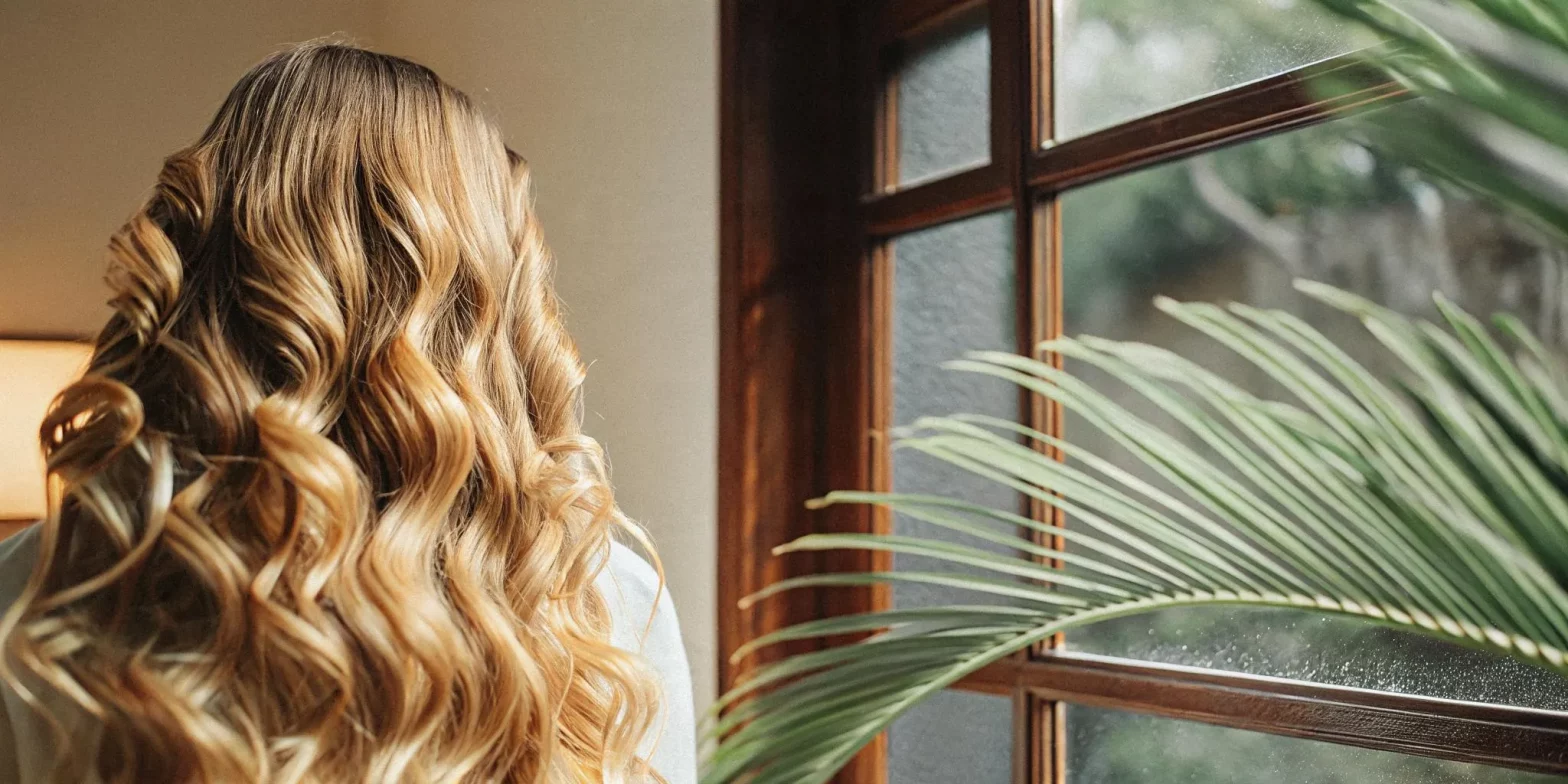
Color-treated hair can feel smooth immediately after conditioning and still be moving toward dryness underneath. That contrast matters because a polished surface is not the same as lasting repair, especially when the same film-forming ingredients are layered wash after wash.
A silicone-free conditioner color-treated hair routine can reduce the buildup associated with ingredients such as amodimethicone, allowing your regimen to focus on moisture, elasticity, and structural care rather than temporary slip. Continuous amodimethicone application can accumulate on the hair surface, a phenomenon documented as buildup in cosmetic science research (source).
This does not mean every silicone behaves identically or that one wash will reverse accumulated residue. The useful first step is understanding what these ingredients are designed to do. How their coating changes the feel of colored hair, and why that effect can become less helpful over time.
What Silicones in Conditioners Actually Do to Color-Treated Hair
Silicones are synthetic conditioning ingredients that coat the hair rather than changing its internal structure. Dimethicone and amodimethicone are common examples. Once distributed across the fiber, they create a smooth, uniform film that reduces friction, softens the feel of rough cuticles, and improves shine. This is why a silicone-containing conditioner can make freshly colored hair feel polished and manageable almost immediately. Research also suggests that conditioning agents such as dimethicone can reduce damage during oxidative coloring itself, so the ingredient is not inherently harmful in every context. One study on hair-color formulas found that incorporating conditioning agents decreased damage caused by the coloring process.
The concern is what happens with repeated use. Water-insoluble silicones do not readily rinse away with a gentle cleanser. Dimethicone can accumulate along the hair shaft over time, while continuously applied amodimethicone can build up on the surface. The result may be a temporary feeling of smoothness that masks dryness underneath. As the film becomes more persistent, it can limit how readily water-based moisturizers and protein treatments reach the fiber. In practical terms, your conditioner may keep making the outside feel sleek while the inside remains less responsive to hydration. The review of cosmetic silicones describes both the protective film-forming benefit and the accumulation issue.
This creates a difficult cycle for anyone coloring regularly. Removing substantial buildup generally requires a clarifying shampoo or another cleanser with stronger surfactants. Those products can also be drying or harsh on delicate, chemically treated hair, particularly when used often. Hair that has been lightened or colored is already more vulnerable to porosity and moisture loss. So aggressive clarification may leave the cuticle feeling rougher even as it removes the coating. Available cosmetic science research notes that strong surfactants may be harsh on chemically treated hair.
That does not mean every silicone must be treated as a threat. The relevant questions are how often it is applied, whether it accumulates, and whether your hair can still receive moisture. For color-treated hair, choosing a silicone-free conditioner can reduce the need to repeatedly strip away a film before nourishing treatments can do their work.
Why Silicone Buildup Is Especially Damaging for Color-Treated Hair
Color-treated hair is not simply hair with a different appearance. The coloring process can increase porosity, leaving the cuticle more vulnerable to damage and more likely to hold onto product deposits. That changes how a silicone film behaves. Instead of providing a temporary smoothing effect that rinses away easily, repeated applications can settle into an already porous surface and contribute to a coated, less responsive feel. Research on porosity and silicone buildup connects chemical coloring with this greater vulnerability.
Untreated, relatively resilient hair may tolerate some film-forming conditioner buildup without an immediate change in performance. A smooth coating can reduce friction, soften the feel, and make styling easier. Color-treated hair has a different priority: it needs moisture and targeted conditioning to compensate for the stress of chemical processing. A surface layer that improves slip but limits access to those treatments can make the hair look polished while its underlying needs remain unaddressed.
Porosity changes how deposits affect the strand
Porosity refers to how readily the hair fiber takes in and releases water and other substances. When coloring increases porosity, strands can become less uniform. They may absorb conditioning ingredients in some areas while retaining deposits on the surface or within irregular sections of the cuticle. This uneven behavior often presents as hair that feels coated at the roots or lengths, yet still feels dry at the ends.
A barrier can work against repair-focused care
Silicone barriers can prevent water-based moisturizers and protein treatments from reaching the hair shaft effectively. That matters after coloring, when hydration, elasticity, and structural support are more important than a temporary gloss. Without the same barrier, water-based moisturizing ingredients and protein treatments can reach the shaft more effectively, helping the routine address dryness rather than only disguising it. Some users report better elasticity and moisture balance after several months without silicones, although results vary by hair condition and routine.
For a practical routine, pair a thoughtfully selected importance of silicone-free hair care with gentle cleansing and consistent conditioning. The goal is not to make color-treated hair feel stripped. It is to let moisture and treatment ingredients do their work without repeatedly layering a film that the strand does not need.
How to Identify Silicones and Choose a Silicone-Free Conditioner for Color-Treated Hair: Ingredient Cheat Sheet
Ingredient lists can make choosing a silicone-free conditioner color-treated hair routine feel more complicated than it should. Look for silicone names ending in -cone, -conol, or -siloxane. The most common water-insoluble examples are below. They can make hair feel sleek immediately, but prolonged use may leave a film that accumulates on the shaft. Research on hair-care silicones describes both their protective film and buildup potential.
| Ingredient on the label | What it does | Why consider avoiding it after coloring |
|---|---|---|
| Dimethicone | Forms a smooth, protective coating that reduces friction. | Water-insoluble buildup may require stronger cleansing to remove, which can be drying for chemically treated hair. |
| Amodimethicone | Deposits a conditioning film on the hair surface. | Continuous use can cause surface buildup and leave porous, color-treated lengths feeling coated rather than nourished. |
| Dimethiconol | Adds slip, softness, and a polished finish. | As a water-insoluble silicone, it belongs in the same buildup category when used repeatedly. |
| Cyclopentasiloxane | Creates lightweight slip and helps distribute product. | It is commonly grouped with water-insoluble or cyclic silicones that can accumulate with prolonged use. |
| Phenyl trimethicone | Especially effective at enhancing shine. | The glossy finish can mask the need for moisture, while the ingredient remains water-insoluble. |
What to look for instead
For color-treated hair, a silicone-free formula can support conditioning without relying on a persistent synthetic film. Scan for natural oils, such as sunflower oil, and nourishing butters that help soften the fiber and reduce the sensation of dryness. Peptides and keratin are also useful ingredient signals when your goal is a more conditioned, resilient feel. Solanesse documents its silicone-free approach, including sunflower oil, keratin, collagen, and plant-based peptides, in its science-backed ingredient guide.
Water-soluble silicone names can vary by formula, so do not assume that every ingredient ending in a similar suffix behaves identically. If your priority is minimizing buildup, the clearest label choice is a conditioner that states it is silicone-free and lists oils. Butters, peptides, or proteins among its conditioning ingredients.
How to Transition to a Silicone-Free Conditioner Routine
A thoughtful transition helps color-treated hair adjust without sacrificing softness or manageability. Move through these steps gradually, paying attention to how your hair responds between washes.
-
Clarify once, then stop adding silicone-heavy conditioners
Begin by discontinuing conditioners that contain film-forming silicones such as dimethicone or amodimethicone. If your hair feels coated, limp, or resistant to water, use a clarifying wash once to remove existing residue. Do not make clarifying a frequent habit, particularly after color services, because repeated strong cleansing can leave chemically treated hair feeling dry. Follow with a gentle, silicone-free conditioner to restore slip.
-
Choose a formula that supports the hair structure
Read the ingredient list and look for conditioning alternatives that support softness and resilience without relying on a silicone film. Oils can help seal in hydration, while peptides and keratin provide targeted support for hair that feels porous or fragile after coloring. If you want a more detailed selection framework, review our guide on how to choose a silicone-free conditioner for color-treated hair.
Solanesse Deep Conditioner is a natural fit for this transition. The silicone-free formula combines sunflower oil, plant-based peptides, and keratin, and is designed to address the cuticle, cortex, and cell membrane complex rather than simply coating the surface. Use it as a rinse-out treatment according to the product directions.
-
Give your hair two to four weeks to adjust
Your first washes may feel different as your hair becomes less dependent on a smoothing film. Allow approximately two to four weeks for your routine to settle and for your hair’s natural moisture balance to become easier to assess. Keep the rest of your regimen consistent during this period so you can identify what is genuinely helping.
-
Monitor elasticity, moisture, and manageability
Assess your hair when it is clean, conditioned, and dry. Look for improved elasticity, a softer feel, and more even moisture rather than chasing instant, glass-like shine. Some users report improvements in curl pattern, elasticity, and moisture balance after several months without silicones, so evaluate the trend over time rather than judging one wash. For guidance on incorporating silicone-free deep conditioning, adjust treatment frequency to your hair’s porosity, texture, and color history.
Frequently Asked Questions
Why should I use silicone-free conditioner for color-treated hair?
Coloring can increase porosity, leaving strands more vulnerable to damage and product buildup. A silicone-free formula can reduce reliance on film-forming ingredients, allowing water-based moisturizers and protein treatments to reach the hair shaft more effectively. Results vary by hair type and routine, but the goal is balanced conditioning without repeated surface accumulation.
How do silicones affect color-treated hair?
Silicones form a smooth protective film that can reduce friction and improve shine. With prolonged use, water-insoluble ingredients such as dimethicone may accumulate on the hair shaft, while continuous amodimethicone use can contribute to buildup. Removing that buildup may require strong surfactants, which can be drying for delicate or chemically treated hair. A review of silicone use in hair care describes these conditioning and buildup effects.
Are all silicones bad for color-treated hair?
No. Silicones are not universally harmful, and their film-forming properties can reduce mechanical stress and support manageability. The more useful question is whether a specific silicone suits your hair, how often it is used, and whether buildup is affecting softness or moisture. If your hair feels coated, limp, or resistant to conditioning, a silicone-free routine may be worth testing.
How do I switch to a silicone-free conditioner routine?
Start by checking conditioner labels for ingredients such as dimethicone, amodimethicone, dimethiconol, and cyclopentasiloxane. Move to a silicone-free conditioner, then give your hair several washes before judging the result. Avoid adding multiple new products at once, so you can identify what improves or worsens manageability.
Will silicone-free conditioner be enough to moisturize my color-treated hair?
It can be, provided the formula matches your hair’s needs and you use enough water and conditioner during application. Solanesse’s silicone-free Deep Conditioner Post-Color Revitalizer uses sunflower oil, keratin, collagen, and plant-based peptides instead of silicones. Review the ingredient approach to assess whether it fits your routine.
Ready to switch to silicone-free care?
Color-treated hair benefits from a conditioner routine that supports softness without relying on a lasting silicone film. Solanesse’s Deep Conditioner Post-Color Revitalizer offers a focused next step for a more considered post-color ritual. Shop Solanesse’s silicone-free Deep Conditioner and make it part of your next wash day.


