


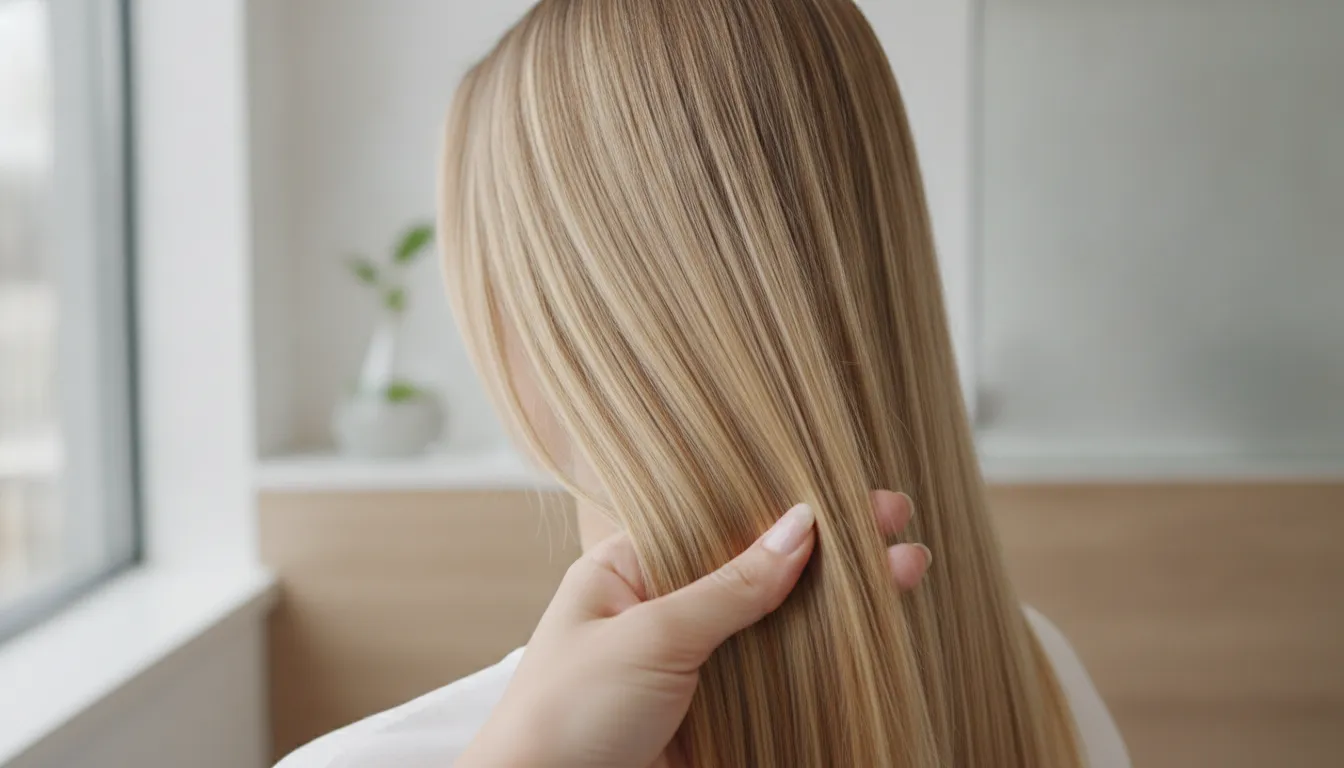
Two people can use the same color formula and see very different results. One may struggle to absorb pigment, while another develops vibrant color quickly but loses it after only a few washes. The difference often begins with the condition of the hair’s cuticle.
Explore the Deep Conditioner Post-Color Revitalizer for a post-color routine that supports a smoother, better-hydrated cuticle.
Hair porosity and hair color are closely connected: a tightly sealed cuticle can resist color and moisture. While raised or damaged cuticles absorb quickly but release pigment just as fast. Understanding your porosity helps you adjust your care routine, and consistent deep conditioning supports a smoother, better-hydrated cuticle after coloring.
Porosity is not fixed forever. Coloring, heat, and environmental stress can change how the cuticle behaves, which is why your hair may respond differently over time. Start by understanding what porosity measures, then use simple signs and at-home testing to identify what your strands need.
What Is Hair Porosity?
Hair porosity is the hair strand’s ability to absorb and retain moisture. It is not a separate hair type such as straight, wavy, or coily. Instead, it describes how readily water, conditioning ingredients, and color-related chemicals move through the strand and how well the strand holds onto them.
Porosity is controlled primarily by the cuticle, the hair’s outer layer. The cuticle is formed by microscopic scales that overlap along the shaft. When these scales lie relatively flat and remain closely aligned, the strand has a more controlled exchange with its environment. When they lift, separate, or become uneven, moisture can enter quickly but may also escape quickly. This cuticle structure is the foundation for understanding hair porosity and hair color.
The cuticle determines absorption and retention
Low-porosity hair generally has tightly packed cuticle scales, so water and treatments may sit on the surface before slowly penetrating. High-porosity hair has more open or lifted scales. It can take in moisture readily, but it may lose that moisture just as easily, contributing to dryness, brittleness, or frizz. These patterns can vary across one head of hair, especially when the lengths have been colored or heat styled repeatedly.
Medium porosity is generally considered the healthiest state because it balances absorption with retention. The cuticle is open enough for moisture and treatments to enter, but orderly enough to help keep them inside the strand. That balance can support more predictable conditioning and color results.
Why chemical processing can change porosity
Porosity is not fixed. Oxidative bleaching and other chemical processes can alter the cuticle and the inner structure of the strand. In a study indexed by PubMed, oxidative bleach nearly tripled hair surface area during the first minute of bleaching because the number of pores increased. The finding helps explain why previously processed lengths may absorb products or color differently from new growth.
Understanding this structure makes porosity more useful than a simple label. It connects the condition of the cuticle with how hair responds to moisture, coloring, and ongoing care.
The Three Porosity Levels: Low, Medium, and High
Hair porosity describes how readily the cuticle allows moisture, color, and conditioning ingredients to enter and how well the strand holds them afterward. The cuticle is not permanently fixed in one category. Chemical processing, repeated heat styling, and environmental exposure can alter its condition, so porosity may vary across your hair and change over time.
Use the three levels as a practical framework, not a diagnosis. Your ends may be more porous than your roots, especially if they have been lightened or exposed to frequent heat. The pattern you notice during washing, conditioning, and color services is often more useful than a single at-home test.
| Porosity level | Cuticle state | Moisture absorption | Color behavior | Best care |
|---|---|---|---|---|
| Low | Tightly packed and resistant to opening | Absorbs slowly; products may sit on the surface | Color can be slow or difficult to absorb evenly | Use lightweight, water-based conditioning and allow treatments time to penetrate |
| Medium or normal | Well-balanced and moderately open | Absorbs and retains moisture evenly | Usually accepts and retains color more consistently | Maintain a balanced routine with regular conditioning and gentle styling |
| High | Lifted or gapped, often from processing, heat, or environmental stress | Absorbs quickly but loses moisture quickly | Color may take rapidly, then lose pigment and fade sooner | Prioritize conditioning, gentle handling, and routines that support cuticle smoothness |
Low porosity hair has a tightly sealed surface. That structure can resist moisture and treatment penetration, which may make color uptake feel uneven or slower than expected. Product buildup can also make the hair feel coated, so more product is not necessarily the solution.
Medium porosity is generally considered the healthiest state because it balances absorption with retention. Hair can receive moisture and color without immediately releasing either. This balance does not eliminate the need for care, particularly when color services are repeated.
High porosity hair has cuticle scales that remain lifted. It can absorb moisture quickly, but that moisture can escape just as readily, contributing to dryness and frizz. Excessive chemical processing, heat styling, and environmental factors such as UV exposure can damage the cuticle and cortex and increase porosity. See the supporting research on hair porosity and cuticle structure for the underlying explanation.
How to Test Hair Porosity at Home
-
Start with a clean, product-free strand. Remove one shed strand of hair after washing, or gently collect one from your brush. Oils, conditioner, styling products, and buildup can change how the strand interacts with water, so avoid using a freshly coated strand.
-
Try the float test. Fill a bowl with room-temperature water and place the strand on the surface. The float test is a commonly used at-home method for observing how readily hair takes in water. If the strand remains on top, it suggests lower porosity and a more tightly closed cuticle. If it sinks quickly, it suggests higher porosity. A strand that takes longer to move below the surface may indicate medium or normal porosity.
-
Check the strand by touch. Slide your fingers from the end toward the root. A smooth strand with little resistance may have a flatter, more compact cuticle. If the strand feels rough, catches easily, or has an uneven texture, its cuticle may be raised or compromised. This test is subjective, so use it with the water observations rather than treating it as a diagnosis.
-
Observe a drop of water. Place a single drop on clean, dry hair. If the water beads on the surface, the strand may have low porosity. If it absorbs almost immediately, the strand may have high porosity. Gradual absorption is more consistent with medium porosity. Test more than one strand because porosity can vary across the same head of hair.
-
Apply the result to your color service. Low-porosity hair may resist color and conditioning treatments because its cuticle is tightly sealed. High-porosity hair can take in color rapidly but may release pigment just as quickly. Medium-porosity hair often absorbs and retains color more evenly. Share your observations with your colorist so processing, product selection, and aftercare can be adjusted to your hair’s condition.
How Does Hair Porosity Affect Hair Color?
Hair porosity and hair color are connected through the cuticle, the strand’s outer layer of overlapping scales. When those scales are tightly aligned, they limit how easily color can move into the fiber. When they are lifted or separated, color can enter quickly, but the same openings make it harder for pigment to remain inside.
Low-porosity hair typically resists color absorption because its cuticle is relatively compact and sealed. Dye may take longer to penetrate or appear less even when the formula cannot move past the surface efficiently. That does not mean low-porosity hair cannot be colored. It means application, processing time, and professional formula selection may matter more than simply applying more product.
Medium-porosity hair generally offers a more balanced pathway. The cuticle allows color to enter without creating as much immediate loss, so absorption and retention tend to be more predictable. Hair history still matters, however. Porosity can vary along one strand, especially when the ends have experienced more sun, heat, or chemical processing than the roots.
High-porosity hair presents the opposite pattern. Raised or gapped cuticles allow color to absorb very quickly, but they cannot hold pigment molecules as effectively. The result may be fast initial saturation followed by faster fading, uneven tone, or a dry-looking finish as water and color leave the fiber during washing. The PAA guidance summarizes the mechanism directly: high-porosity hair absorbs color quickly and fades quickly, while low-porosity hair resists absorption because the cuticle is tightly sealed.
Coloring itself can also shift porosity. Chemical processing can disrupt or raise the cuticle. And research on oxidative bleaching found that chemical damage creates numerous pores and can substantially increase the hair surface area in the first minute of bleaching (research on oxidative chemical damage). Repeated chemical processing, excessive heat, and environmental exposure such as UV can further damage the cuticle and cortex, increasing porosity over time (hair porosity research).
This is why porosity is not a permanent label. It can differ by section of the head and change as the hair is colored or exposed to stress. For the specific effects that may appear after coloring, see Solanesse’s guide to post-color hair porosity.
Why Does Color Fade Faster on High Porosity Hair?
High porosity hair often takes in color quickly, but it cannot retain the pigment as effectively. Its cuticle scales remain lifted or gapped rather than lying closely over the hair fiber. That open structure allows water and color molecules to move into the strand readily. It also gives moisture and pigment more pathways to escape during washing, conditioning, heat styling, and everyday friction. The result is color that looks vibrant immediately after an appointment but loses tone, depth, or shine sooner than expected.
The same structural change can become more pronounced with repeated chemical services. Coloring and bleaching disrupt the cuticle so the color process can reach the cortex. When oxidative bleach is used, the effect is not merely cosmetic. Research indexed in PubMed found that oxidative bleaching nearly triples hair surface area during the first minute by creating additional pores: read the study on bleach-related pore formation. More pores mean more exposed surface and less reliable pigment retention. Heat styling, ultraviolet exposure, and overlapping chemical treatments can add to that cumulative stress.
How to slow premature color washout
The goal is not to prevent porous hair from absorbing color. It is to improve the strand’s ability to hold onto what it absorbs. A consistent deep-conditioning routine can support a smoother, better-supported cuticle and replenish moisture that porous hair loses quickly. Choose water temperature and cleansing habits that are gentle, limit unnecessary high heat, and discuss overlapping bleach or color applications with your stylist. A color-safe shampoo can help reduce pigment stripping during cleansing.
For a closer look at the structural effects of repeated coloring, read about hair dye damage. Then review practical ways to make hair color last longer, especially if your hair feels rough, dries quickly, or fades unevenly between appointments.
How Deep Conditioning Helps Manage Porosity After Coloring
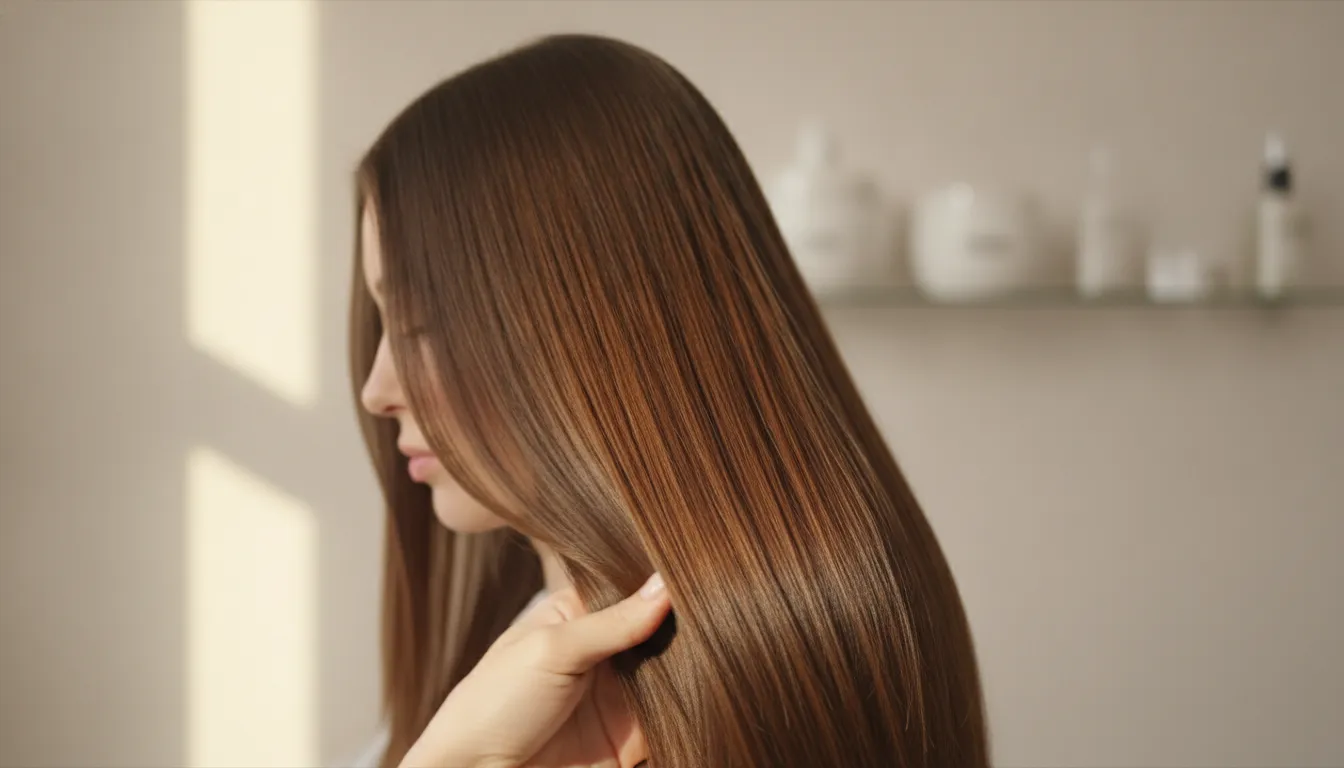
Coloring changes more than your shade. Because it is a chemical process, it can disrupt and raise the cuticle, the outer layer that controls how readily hair takes in and holds moisture. That shift can increase porosity, leaving the fiber more likely to absorb color unevenly and lose pigment during washing. Managing porosity after an appointment therefore requires more than surface softness. It requires consistent support for the hair’s structure.
Deep conditioning helps by restoring moisture and smoothing the cuticle surface. When the cuticle is better conditioned, the hair can retain hydration more effectively, and color is less likely to wash out prematurely. This does not reverse the coloring process or eliminate the need for careful color maintenance. It creates a stronger foundation for keeping the fiber flexible, smooth, and visually vibrant between appointments.
Why structural repair matters after color
A conditioning routine should address the full hair fiber, not only the feel of the outer layer. Cuticle repair supports shine and smoothness. Support for the cortex helps rebuild strength and elasticity inside the strand. For steps that address existing damage before it interferes with color, see how to repair damaged hair after coloring. The cell membrane complex, which functions as structural glue between parts of the fiber, also needs attention when repeated chemical services have affected hair integrity.
Solanesse’s formula is positioned around this complete post-color repair approach. Its Clean Clinical promise means it contains no sulfates, parabens, silicones, or phthalates. Used as part of a regular routine, it helps replenish moisture while supporting the cuticle. Cortex, and cell membrane complex rather than treating softness as the only measure of healthy-looking hair.
Explore the Deep Conditioner Post-Color Revitalizer for a focused post-color conditioning ritual.
How often should you deep condition after coloring?
Solanesse recommends deep conditioning weekly or as needed after coloring. Weekly use can help maintain moisture and manage changing porosity, while additional sessions may be appropriate when hair feels rough, dry, unusually absorbent, or difficult to detangle. Apply the treatment consistently rather than waiting for visible breakage or severe fading.
For a more detailed routine, follow this deep conditioning treatment guide. You can also compare treatments for color-treated hair when deciding whether your current priority is moisture, structural support, or both. The goal is balanced care that helps colored hair hold onto hydration and pigment without adding unnecessary buildup.
Frequently Asked Questions
How does hair porosity affect hair color absorption?
Low porosity hair has a tightly closed cuticle, so color may take longer to absorb. Medium porosity hair usually accepts color more evenly. High porosity hair absorbs pigment quickly, but raised or gapped cuticles can also release it quickly during washing.
Can I color my hair if I have high porosity?
Yes, but high porosity hair needs careful preparation and consistent moisture support. A professional colorist can adjust the service to your hair’s condition. Deep conditioning after coloring helps improve softness and supports a smoother cuticle, which may help reduce premature fading.
How do you test your hair porosity at home?
Place a clean, product-free strand in a bowl of room-temperature water. A strand that floats suggests lower porosity, while one that sinks suggests higher porosity. Treat this as a general guide, because styling residue, strand thickness, and water tension can affect the result.
Why does hair color fade faster on high porosity hair?
When the cuticle is lifted, the hair can absorb color rapidly but may not retain pigment as effectively. Heat, chemical processing, and environmental stress can contribute to this raised-cuticle condition. Gentle care and regular deep conditioning help support moisture and cuticle integrity.
How does deep conditioning help maintain color in porous hair?
Deep conditioning replenishes moisture and helps the cuticle feel smoother and more sealed after coloring. That support can reduce roughness and help limit premature color washout. Use a treatment consistently, adjusting frequency to your hair’s dryness, porosity, and processing history.
Keep Your Color Rich and Your Hair Restored
Knowing your hair porosity is the first step to color that looks fresh longer. The second step is giving your strands what they need to hold onto that color: a treatment that seals the cuticle and rebuilds the structure color processing opens up.
Solanesse Deep Conditioner Post-Color Revitalizer is a clean, science-backed post-color repair ritual designed for women who color their hair monthly. It targets the cuticle, cortex, and cell membrane complex, so keratin-therapy and bond-only treatments can focus on density while your color keeps its depth. No sulfates, parabens, silicones, or phthalates.
Explore the Deep Conditioner Post-Color Revitalizer and give your hair color the foundation it needs to last.
Shop the Deep Conditioner Post-Color Revitalizer on the Solanesse site today.


