


Color can leave hair looking polished while quietly weakening the structure beneath the surface. When strands lose moisture and elasticity, they become rough, rigid, and more likely to snap during washing, brushing, or heat styling. This is why brittle, color-treated hair needs more than a glossy finish.
The most effective treatment for brittle hair combines replenishing moisture with structural support, helping reinforce weakened protein bonds and protect the cuticle. Look for a deep conditioning formula with ingredients such as hydrolyzed keratin, amino acids, peptides, and humectants, then use it consistently rather than relying on a one-time repair.
Hair is made of about 90 percent keratin, and chemical processing is associated with roughly 60 percent of hair damage cases, according to Allure. Understanding how color changes the cuticle and affects elasticity makes it easier to choose care that addresses the cause, not only the appearance.
Restore strength and elasticity with the Solanesse Deep Conditioner Post-Color Revitalizer
What Causes Brittle Hair in Color-Treated Strands
The leading causes are chemical processing, repeated heat, and anything that removes moisture faster than the hair can retain it. Color and bleach open the cuticle and weaken the protein bonds within the strand, while tight styles. Overwashing, harsh shampoos, dry air, and hormonal or nutritional factors can add to the stress. Brittle hair is therefore both a moisture problem and a breakage problem, not simply a lack of surface shine.
Chemical treatments account for roughly 60 percent of hair damage cases, making color processing a significant contributor for anyone who regularly lightens, tones, or refreshes their hair color. During processing, the cuticle becomes more permeable so the formula can reach the hair’s inner structure. That change can leave the strand less able to hold water and more vulnerable to friction, heat, and mechanical tension. A treatment approach should address both lost moisture and weakened structure.
How color processing creates brittleness
Healthy cuticles overlap closely, helping protect the keratin-rich interior of the hair shaft. Bleach and permanent color disrupt that protective arrangement. Repeated services can increase porosity, allowing moisture to escape quickly and leaving the surface rough or uneven. As elasticity declines, strands may stretch poorly, snap during brushing, or develop split ends. This is why post-color brittle hair often feels dry even after applying a conventional conditioner.
Everyday stress can compound chemical damage
Heat styling adds another source of dehydration and mechanical stress, especially when a flat iron or curling iron is used on already porous hair. Pulling hair into tight ponytails, buns, or extensions places tension on weakened areas. Washing too frequently can remove sebum, the natural oil that helps hair remain manageable, while harsh or sulfate-based shampoos may feel particularly drying on processed strands. Washing every other day instead of daily may help some people retain more of that natural protection.
Environment and overall health also matter. Dry air can increase moisture loss, and hormonal changes or nutritional deficiencies may contribute to thinning and breakage. If brittleness appears suddenly, affects unprocessed hair, or persists despite a gentler routine, discuss possible medical or nutritional factors with a healthcare professional. For color-treated strands, the most useful starting point is a routine that limits further stress while restoring moisture and structural support.
How to Tell If Your Hair Is Brittle, Not Just Dry
Dry hair often feels rough because it lacks surface moisture. Brittle hair has a deeper problem: weakened structure makes the strand less resilient, so it breaks under ordinary brushing, styling, or handling. In practical terms, dryness can be temporary and improve with conditioning, while brittleness is marked by recurring breakage, especially toward the ends.
Hair becomes brittle when it cannot retain enough moisture to stay flexible and its structural proteins have been compromised. Color, bleach, heat, and mechanical stress can weaken the cuticle and the inner shaft. The result is not simply a less-soft texture. It is a loss of strength, elasticity, and manageability that may require a consistent treatment for brittle hair rather than a single moisturizing product.
Common signs of brittle hair
- Split ends: The ends divide or fray, often before the rest of the strand shows obvious damage.
- Frequent breakage: Short pieces appear in the sink, on clothing, or around the shoulders after brushing or styling.
- Dullness and lack of shine: Hair can look lifeless even after washing, because a compromised cuticle reflects less light evenly.
- Persistent dryness: The strand feels rough or straw-like and does not stay soft for long after conditioning.
- Frizz and uneven texture: Raised or damaged cuticles allow strands to separate, creating flyaways and a coarse feel.
- Difficulty styling: Hair may resist smooth finishes, lose its shape quickly, or feel difficult to detangle.
- Breakage concentrated at the ends: The lengths and tips may look visibly thinner or shorter than the hair near the roots.
One useful distinction is how your hair responds to water and conditioner. If it feels temporarily softer but still snaps, splits, or develops frizz soon afterward, surface hydration alone is not addressing the full issue. Brittle hair benefits from care that supports both moisture retention and structural resilience. If breakage is sudden, severe, or accompanied by thinning at the scalp, consult a qualified medical professional, since hormonal or nutritional factors can also affect hair strength.
For color-treated hair, compare the timing of the changes with your chemical services. Brittleness that becomes noticeable after coloring or lightening may reflect cuticle damage and reduced elasticity rather than ordinary seasonal dryness. That pattern can help you choose a more targeted routine and avoid treating every sign with additional oil or heavier styling products.
The Science of Restoring Strength and Elasticity
Brittle hair improves when a treatment supports the hair’s internal protein structure, reinforces weakened bonds, and restores the cuticle’s ability to retain moisture. Surface softness matters, but lasting resilience requires structural ingredients that can move into the hair shaft rather than moisture that remains only on the exterior.
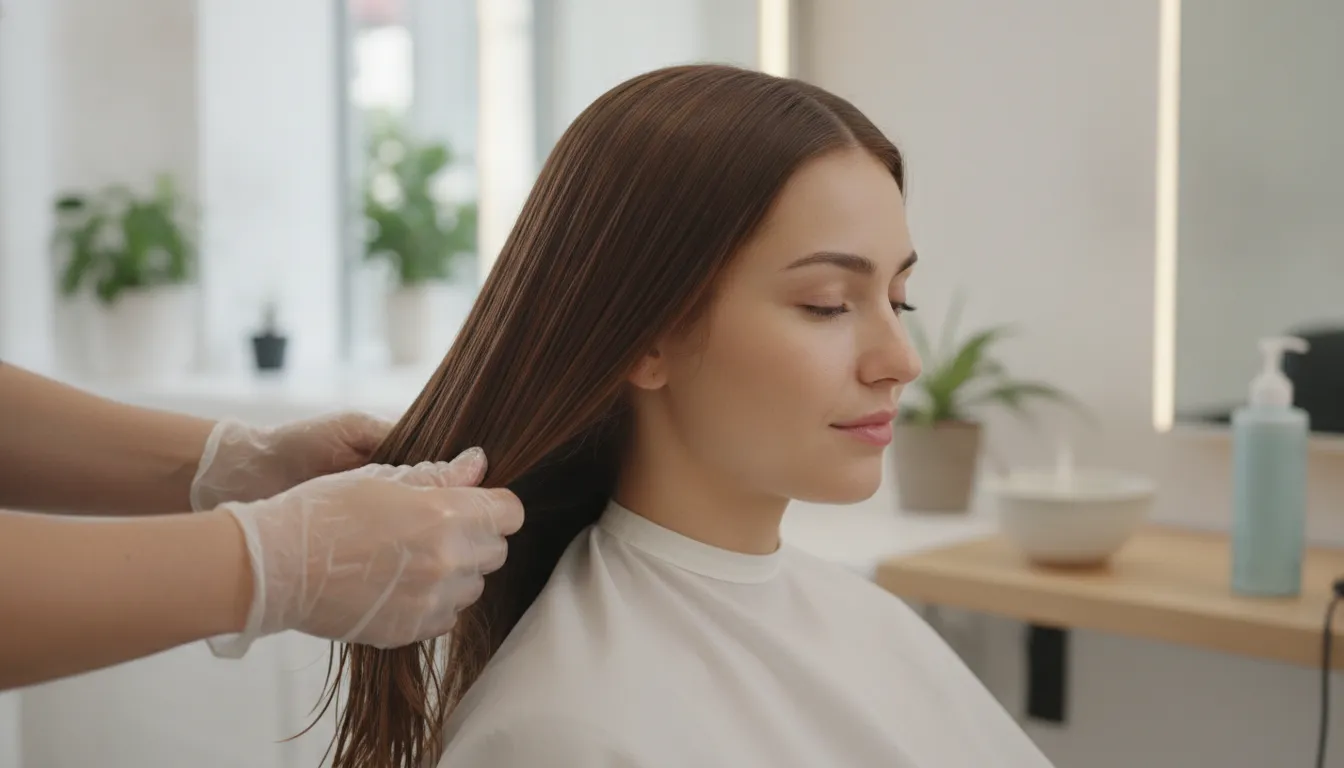
Hair is made up of approximately 90 percent keratin, a structural protein that gives each strand much of its strength and shape. Color and bleaching services can alter that structure, weaken disulfide bonds, and damage the cuticle. Bond-repair formulas address the internal connections, but complete cosmetic restoration also depends on smoothing and reinforcing the cuticle. Without that outer protection, hair can continue to lose moisture, feel rough, and break under routine tension.
How protein and peptides support weakened strands
Hydrolyzed keratin is broken into smaller components so it can better associate with damaged areas along the hair fiber. It helps reinforce the strand’s protein network and can improve the feel of hair that has become porous or fragile after chemical processing. Hydrolyzed soy protein offers complementary film-forming and conditioning support, helping the hair feel more substantial without relying on a heavy coating.
Rice amino acids and L-proline provide smaller structural building blocks that support the look and feel of resilient hair. Peptides work at a similarly targeted level, helping formulas focus on areas where the fiber has lost integrity. These ingredients do not turn a damaged strand into new, unprocessed hair. Instead, they help reduce the roughness and weakness associated with structural loss while the cuticle is conditioned and sealed.
Moisture remains part of the equation. Glycerin helps attract water, while sunflower seed oil contributes emollience and surface smoothness. Together, structural proteins, amino acids, peptides, humectants, and oils create a more balanced approach than either protein or hydration alone. This is why elasticity should not be judged by softness immediately after rinsing. Healthy-feeling elasticity means the strand can stretch modestly and return without snapping or remaining limp.
A targeted hair bond repair treatment can be especially useful after coloring or lightening, when the hair needs support beyond a conventional conditioner. Look for a rinse-out formula that combines bond-focused structural ingredients with cuticle conditioning, then use it consistently according to its directions. For another option, see this comparison of keratin treatments for damaged hair. The goal is not temporary shine. It is a smoother, better-supported fiber that is less vulnerable to breakage during washing, brushing, and styling.
What Ingredients Make an Effective Treatment for Brittle Hair?
The most effective treatment for brittle hair addresses both structural weakness and moisture loss. A balanced formula uses hydrolyzed keratin, plant proteins, amino acids, and peptides to support damaged hair fibers, while humectants and oils help smooth and seal the cuticle. This combination is more complete than surface conditioning alone.
Look for a formula that supports the hair shaft without leaving it rigid or dry. Protein helps reinforce strands that have lost strength after coloring, bleaching, or heat styling. Moisture and lightweight lipids help preserve flexibility, softness, and manageability. The right protein vs moisturizing treatments approach depends on what your hair is missing, so the goal is balance rather than using the highest possible concentration of one ingredient.
Structural proteins and amino acids
Hydrolyzed Keratin is broken into smaller components that can support the feel and strength of compromised hair. Hydrolyzed Soy Protein provides another plant-derived protein source. Rice Amino Acids and L-Proline add amino-acid support to a formula designed for strands with reduced elasticity. Hydrolyzed Cicer Seed Extract, derived from chickpea, complements the plant-powered protein system.
These ingredients are relevant after chemical processing because color and bleach can alter the hair structure, damage the cuticle, and contribute to elasticity loss. A treatment that focuses only on shine may make hair feel smoother temporarily without addressing the underlying need for structural care. Protein-rich conditioning is best used consistently and according to the product directions, with attention to how the hair responds over time.
Moisture and cuticle support
Glycerin helps attract and retain moisture, which is important when brittle hair feels dry and rough. Sunflower Seed Oil supplies a lightweight emollient component that helps improve softness and manageability. Together, these ingredients help offset the potentially stiff feel that can occur when protein care is not paired with adequate conditioning.
| Approach | Action | Best for | Limit |
|---|---|---|---|
| Deep-conditioning reviver | Rebuilds bonds, seals cuticle | Color-treated breakage | Needs weekly use |
| Surface oil | Adds softness | Roughness between washes | No structural repair |
| Bond-repair treatment | Re-links internal bonds | Lightened strands | Pair with conditioning |
| Protein-only treatment | Adds structure | Weak, soft hair | Can feel stiff |
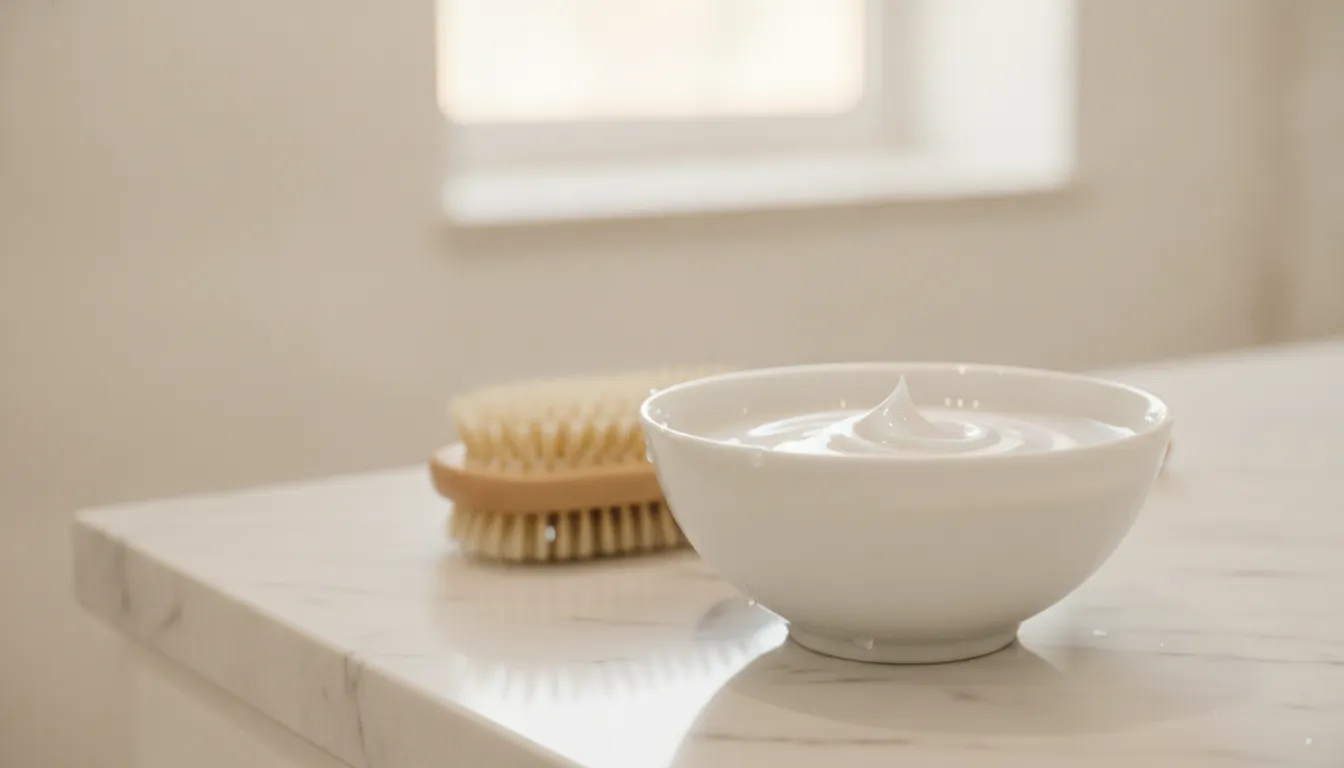
Formula quality matters as much as the ingredient list. Solanesse Deep Conditioner Post-Color Revitalizer uses a clean, plant-powered formula free from sulfates, parabens, silicones, synthetic fillers, and phthalates. It is designed as a rinse-out treatment for color-treated hair, applied to damp strands, left for 10 to 15 minutes, and rinsed. Used weekly or as needed, this protein-and-moisture approach supports smoother, more resilient hair without relying on unnecessary fillers.
How to Use a Deep Conditioning Reviver for the Best Results
Regular deep conditioning helps brittle hair regain softness, flexibility, and resilience by replenishing moisture while supporting the structural proteins weakened by color processing. For the best result, apply the treatment to warm, damp hair. Allow enough contact time for the formula to work, and repeat consistently rather than treating it as a one-time repair. Timing after a color service also matters, so follow a solid first-wash-after-coloring routine before introducing a deep-conditioning reviver.
- Begin with clean, warm damp hair. Wash with a gentle cleanser, then remove excess water so the hair is damp rather than dripping. Warm water helps the cuticle remain receptive, while a towel-dried surface keeps the reviver from being diluted before application.
- Apply from root to tip. Distribute the rinse-out treatment evenly through the lengths, working from the roots toward the ends. Pay particular attention to areas that feel rough, porous, or prone to splitting. Use enough product to coat the hair lightly without leaving it heavily saturated.
- Leave it on for 10 to 15 minutes. This contact time gives the formula’s hydrolyzed keratin, soy protein, amino acids, and conditioning agents an opportunity to support the hair’s inner structure and replenish lost moisture. If the ends remain especially dry, reapply a small amount to those areas during a later treatment rather than layering heavily at every wash.
- Rinse with warm water. Rinse thoroughly until the hair feels conditioned but not coated. Removing excess product helps preserve movement and keeps the finished texture clean, smooth, and manageable.
- Dry with minimal friction. Gently press the hair with a towel instead of rubbing it. Allow it to air dry when practical, or use a blow dryer on a moderate setting with controlled airflow. Excessive heat can undermine the progress made by a conditioning routine.
- Repeat weekly or as needed. Start with one treatment each week, then adjust according to how the hair responds. Color-treated strands with pronounced dryness or elasticity loss may need more regular attention, while healthier hair may maintain its balance with less frequent use. Consistency matters because protein and moisture support accumulate through a considered routine, not a single application.
Keep protein and moisture in balance
A brittle texture does not always signal the same need. Hair that feels dry and rough may benefit from moisture, while hair that feels weak or stretches excessively may also need structural support from protein-rich ingredients. Watch how your hair feels after each treatment and adjust frequency rather than assuming more product is always better. The goal is restored elasticity and molecular integrity, with enough softness for the hair to move naturally and enough strength to resist everyday breakage.
Daily Habits That Stop Breakage Before It Starts
Daily care can prevent new breakage by reducing the friction, moisture loss, and heat exposure that weaken treated strands. A consistent routine also helps preserve the softness and resilience gained from a targeted treatment, so hair is not repeatedly damaged between conditioning sessions.
Start by washing less aggressively. Shampooing every other day instead of daily gives the scalp’s natural oils more time to support manageability. Choose a sulfate-free formula when possible, since sulfate-heavy shampoos can remove too much surface oil from already dry, color-treated hair. If the scalp becomes oily between washes, focus cleansing at the roots and let the lather rinse through the lengths rather than scrubbing them.
Lower the daily sources of mechanical and heat stress
Heat tools do not need to disappear from your routine, but reducing their frequency and intensity can make a meaningful difference. Allow hair to partially air-dry before using a blow dryer, keep the airflow moving, and use the lowest effective temperature. Curling and straightening irons should be occasional styling tools, not a daily default. Avoid passing repeatedly over the same section.
Detangle gently, beginning at the ends and working upward with a wide-tooth comb or a flexible brush. Wet hair is more vulnerable to stretching, so remove excess water by pressing it in a soft towel rather than rubbing. At night or during exercise, choose loose styles and fabric-covered ties. Tight ponytails, buns, and repeated tension in the same area can compound existing weakness.
Support the hair you grow with adequate nutrition
Hair health also depends on overall nutritional status. Biotin, vitamins A and E, iron, zinc, and other micronutrients are associated with healthy hair growth and structure. Marine proteins provide peptides and omega-3 fatty acids, which are associated with shinier, healthier-looking hair. However, evidence that biotin supplements make a substantial difference is weak unless a deficiency is present. Avoid treating supplements as a substitute for a balanced diet or professional medical advice, particularly if breakage is sudden or accompanied by thinning.
For color-treated lengths, pair these habits with a weekly conditioning routine and focused structural care. Learn how to restore elasticity and shine without relying on surface smoothness alone, and review the steps that help repair color-damaged hair at home after chemical processing. Small reductions in daily stress allow treatment to support stronger, more flexible strands over time.
Can Brittle Hair Truly Be Restored?
Yes, brittle hair can become stronger, softer, and more resilient with a consistent, science-backed routine. The process is gradual rather than instant: effective care supports damaged protein structure, restores moisture balance, and helps the cuticle retain both. With weekly deep conditioning, many people can notice measurable improvements in manageability and elasticity over the following weeks.
That distinction matters because hair is largely structural protein. About 90 percent of the hair fiber is keratin, and chemical processing is estimated to account for roughly 60 percent of hair damage cases. Color and bleach can weaken the fiber’s internal structure, disturb the cuticle, and reduce the stretch-and-recover quality that makes healthy hair feel resilient. A surface conditioner may make strands feel smoother temporarily. But lasting improvement requires structural ingredients that can work within the shaft as well as conditioning agents that support the outer layer.
What realistic progress looks like
A practical treatment plan starts with consistency. Use a rinse-out deep conditioner on damp hair once a week, leave it in for the recommended 10 to 15 minutes, and rinse thoroughly. Over time, the right combination of hydrolyzed proteins, amino acids, peptides, humectants, and oils can help brittle strands feel less rough and more flexible. You may first notice easier detangling and improved softness. With continued use, reduced snapping and better elasticity can follow.
However, no treatment can instantly reverse every form of damage. Split ends that have already separated cannot be permanently fused, and severely compromised lengths may still need trimming. New growth also depends on reducing the habits that continue to stress the fiber, including excessive heat, frequent chemical processing, and rough handling. If brittleness is sudden, widespread, or accompanied by thinning, discuss it with a healthcare professional, since nutritional or hormonal factors can also contribute.
Solanesse Deep Conditioner Post-Color Revitalizer is designed for this type of measured repair routine. Its formula combines Hydrolyzed Keratin, Hydrolyzed Soy Protein, Rice Amino Acids, L-Proline, peptides, Glycerin, and Sunflower Seed Oil to address strength, moisture, and surface smoothness in color-treated hair. Used weekly or as needed, it gives brittle strands sustained support rather than promising a one-use transformation.
Try the Solanesse Deep Conditioner Post-Color Revitalizer for weekly structural repair
Frequently Asked Questions
Can brittle hair be restored?
Hair can become stronger, softer, and more elastic when you reduce ongoing damage and use consistent conditioning and structural care. A weekly rinse-out treatment with proteins, amino acids, and moisture-supporting ingredients can improve the feel and manageability of color-treated strands. Split ends cannot be permanently repaired, so trimming remains important when the ends are severely frayed.
How can I fix straw-like hair?
Start by washing less often, choosing a gentle sulfate-free shampoo, lowering heat exposure, and applying a deep conditioner to damp hair. Leave the treatment on for 10 to 15 minutes before rinsing, then repeat weekly or as needed. This combination addresses both moisture loss and the weakened structure that can make bleached or colored hair feel rough.
What vitamin are you lacking if your hair is brittle?
Brittle hair does not identify one specific vitamin deficiency. Hair health can be affected by low iron, zinc, vitamins A, B12, C. Or D, and biotin, but hormonal changes, chemical processing, heat, and overwashing are also common causes. A clinician can evaluate symptoms and order appropriate tests before you take supplements. Verywell Health notes that overall health and nutrition can contribute to brittleness. Alongside a balanced diet, gentle natural remedies for color-treated hair can complement your conditioning routine.
What do hairdressers recommend for damaged hair?
Most professional routines combine a deep-conditioning or bond-repair treatment with gentler washing, reduced heat, careful detangling, and regular trims. For color-treated hair, look for a formula that supports the inner shaft as well as the cuticle, rather than relying on surface oils alone. The right frequency depends on your hair’s condition and how often it is colored or chemically treated.
Start Repairing Brittle Hair With a Science-Backed Treatment
Brittle, color-treated hair does not have to stay that way. A consistent, molecular-level repair routine rebuilds the protein bonds and elasticity that coloring and heat strip away. The result is softer, smoother, more resilient strands that hold their shape without the snap and split ends.
Designed for hair damaged by coloring, bleaching, or heat styling, the Solanesse Deep Conditioner Post-Color Revitalizer delivers hydrolyzed keratin. Collagen, and peptides that penetrate the hair shaft to rebuild strength and seal the cuticle. Free from sulfates, parabens, silicones, and synthetic fillers, it is a single rinse-out step that fits your current wash day, used weekly or as needed.


