


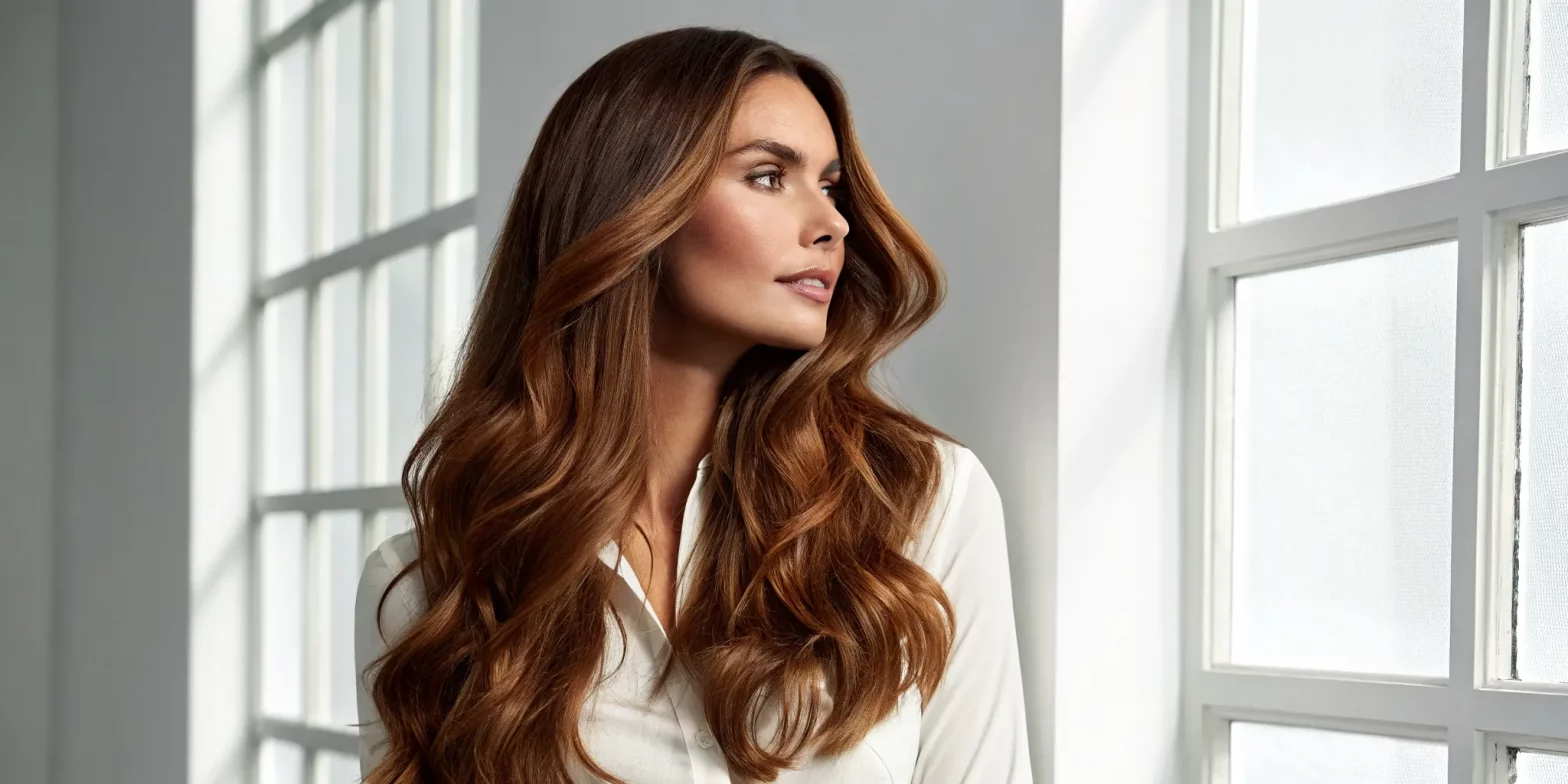
If you think brunette is a single, flat color, you’re in for a treat. Today’s trends are all about creating rich, dynamic looks that feel personal and modern. From the subtle, sun-kissed glow of balayage to the cool, earthy tones of mushroom brown, there are so many ways to make your color stand out. Exploring these new shades is exciting, but achieving that salon-fresh vibrancy every day requires the right aftercare and understanding how often you should color your hair. A dedicated post-color repair ritual is the key to keeping your new brunette hair looking fresh and incredibly healthy. Let’s look at the most popular trends and the essential steps for maintaining them.
Key Takeaways
- Match Your Shade to Your Skin’s Undertone: The secret to a truly flattering brunette color is choosing a shade that complements your skin’s unique warm, cool, or neutral undertones, ensuring a natural look that enhances your features.
- Adopt a Color-Safe Haircare Routine: To keep your brunette shade rich and prevent fading, switch to sulfate-free products, protect your hair from sun and heat damage, and use a blue shampoo as needed to neutralize any brassy tones.
- Prioritize Repair with Powerful Ingredients: Since the coloring process weakens hair, a weekly deep conditioning treatment is essential. Use a formula with keratin, collagen, and peptides to rebuild the hair’s structure from within, restoring strength and shine.
What Is Brunette Hair?
Thinking about going brunette? You’re in great company. As the second most common hair color in the world, right after black, brunette hair is a timeless classic. What we call brown hair is actually a beautiful and complex color derived from a dark pigment called eumelanin. The amount of this pigment determines the depth of your shade, creating an incredible range from the lightest, sun-drenched browns to the deepest, most decadent chocolates. It’s a color that’s as versatile as it is beautiful, offering a perfect shade for just about everyone. Whether you’re embracing your natural color or choosing a new one, understanding the world of brunette hair is the first step to finding your perfect match.
The Spectrum of Brunette Shades
One of the best things about being a brunette is the sheer variety of shades available. It’s not just one color; it’s a whole family of them. You can find a brown to match any mood, style, or season. Imagine the rich, deep tones of dark chocolate or the warm, inviting glow of chestnut. There are so many possibilities to explore, including:
- Deepest brunette
- Dark brown
- Milk chocolate brown
- Chestnut brown
- Caramel brown
- Light golden brown
- Light ash brown
- Auburn brown
This amazing range means you can work with your stylist to find a custom color or gentle demi-permanent color refresh that perfectly complements your skin tone and makes your best features pop.
What Makes Brunette Hair Special?
Beyond its stunning variety, brunette hair often carries an air of sophistication and confidence. In many cultures, brunettes are seen as smart, stable, and serious, which adds a certain power to the color. But it’s not just about perception; it’s also incredibly practical. Brown hair is known for its versatility and is often easier to maintain than other hair colors, especially if you’re coloring over lighter hair. It has a natural richness and shine that can make hair look incredibly healthy and full. This blend of practicality and elegance makes being a brunette a truly special experience, giving you a look that’s both effortlessly chic and timelessly beautiful.
Your Guide to Brunette Shades
Brunette isn’t just one color; it’s a whole world of gorgeous shades waiting to be explored. From deep, dramatic tones to light, sun-kissed hues, there’s a perfect brown for every personality and style. Understanding the different shades can help you find the one that makes you feel most confident, whether you’re coloring your hair for the first time or just looking for a fresh update. Let’s walk through some of the most popular categories to help you find your perfect match.
Deep and Daring: Dark Brunette
Think of the richest dark chocolate or a freshly brewed espresso, and you’ll have a good picture of dark brunette hair. This stunning shade gets its depth from a high concentration of eumelanin, the natural dark pigment in your hair. Ranging from a warm, deep brown to a cool, almost-black hue, this color makes a sophisticated and bold statement. It’s incredibly striking and provides a beautiful contrast that can make your eyes pop. Dark brunette hair looks amazing whether you wear it sleek and straight or in bouncy, voluminous curls, as the deep color reflects light beautifully.
Classic and Versatile: Medium Brunette
If you’re looking for a shade that’s timeless and adaptable, medium brunette is a fantastic choice. It’s a classic for a reason. This color is incredibly versatile, with tones that can lean warm like chestnut or cooler like an ash brown. Medium brown hair is the perfect canvas for adding dimension. It serves as a beautiful base for subtle highlights and lowlights, which can create movement and prevent the color from looking flat. Its natural-looking appeal makes it a popular option for anyone wanting a polished look that’s easy to maintain and style.
Bright and Bronzed: Light Brunette
For a softer, sun-kissed glow, light brunette is the way to go. This shade captures the warmth of golden hour, with beautiful tones like caramel, honey, and light golden brown. It’s perfect if you want the richness of a brunette but with a brighter, more luminous feel. You can enhance this shade even more with delicate coloring techniques. For example, babylights are micro-highlights that mimic the subtle, natural highlights you might have had as a child, adding brightness and dimension. This shade is ideal for achieving a fresh, vibrant look that feels effortlessly chic.
Trending Now: Popular Brunette Colors
If you think brunette is a single, flat color, think again. Today’s trends are all about creating rich, dynamic looks that feel personal and modern. From subtle highlights that mimic the sun to cool, earthy tones, there are so many ways to make your brown hair stand out. Exploring these new shades is exciting, and the right aftercare makes all the difference. A dedicated post-color repair ritual is the key to keeping your new color looking fresh, vibrant, and incredibly healthy from day one. Let’s look at a few of the most popular trends you can bring to your next salon appointment.
Add Depth with Dimensional Brunette
Dimensional brunette is the secret to making your hair look like it has natural movement and shine, even when you’re just sitting still. This technique involves adding very fine, low-contrast highlights throughout your hair. The goal isn’t a dramatic color change but rather a subtle enhancement that adds depth and complexity. Depending on your base color and skin tone, you can play with warm highlights like caramel and hazelnut or opt for cooler tones like ash brown. It’s a fantastic way to add dimension to brunette hair without a major commitment, giving you that perfect “your hair, but better” finish.
Get Sun-Kissed with Balayage and Ombre
For a beautiful, low-maintenance look, balayage and ombre are still go-to favorites. These techniques create a gradient effect, with hair fading from darker roots to lighter ends. You can go for a bold, dramatic ombre or a softer, more blended version sometimes called “sombre.” The hand-painted balayage technique results in a natural, sun-kissed look that grows out beautifully, meaning fewer trips to the salon for touch-ups. It’s an ideal choice if you want to brighten up your brunette shade without the constant upkeep of traditional highlights, giving you a relaxed, lived-in color that looks effortless.
Try Modern Tones like Candlelit and Mushroom
Two of the most talked-about modern shades are candlelit and mushroom brunette. Candlelit brunette uses strategically placed golden highlights to create a warm, glowing-from-within effect, as if your hair is always in soft, flattering light. It’s perfect for adding warmth and radiance to your look. On the other end of the spectrum is mushroom brunette, a multi-dimensional, cool-toned shade that blends shades of brown and gray for an earthy, sophisticated finish. This ashy color is especially stunning on wavy or curly hair, as the texture helps showcase the intricate blend of tones.
How to Choose the Right Brunette Shade for Your Skin Tone
Finding your perfect brunette shade is a lot like finding the right foundation. The secret isn’t just about going lighter or darker; it’s about understanding your skin’s unique undertones. Your undertone is the subtle hue beneath your skin’s surface, and it generally falls into one of three categories: warm, cool, or neutral. Getting this right ensures your new color looks natural and makes your features pop.
An easy way to determine your skin’s undertone is to look at the veins on the inside of your wrist in natural light. If they appear greenish, you likely have warm undertones. If they look blue or purple, you probably have cool undertones. Can’t quite tell? You might have neutral undertones, which is a beautiful balance of both. Once you’ve picked your ideal shade, the next step is keeping it vibrant and healthy. A weekly deep conditioning treatment is essential for replenishing the moisture and protein that coloring can strip away. The right post-color repair ritual will seal your cuticle, lock in your new color, and leave your hair feeling incredibly soft and strong.
For Warm Skin Tones
If you have warm undertones, you’ll notice your skin has a golden, peachy, or yellow hue. Your veins may look slightly green, and your eyes are often a warm hazel, green, or brown. To complement your natural warmth, you can go in two directions. For a striking contrast that brightens your complexion, consider cooler brunette shades like medium chestnut, ashy brown, or a rich, dark chocolate. If you’d rather enhance your skin’s sunny glow, lean into warmer tones. Shades like auburn, caramel, mahogany, and honey brown will add a beautiful, radiant warmth to your overall look, making your hair and skin look luminous.
For Cool Skin Tones
Cool undertones are characterized by a pink, red, or blueish tint to the skin. Your veins will likely appear blue or purple, and your eyes might be a light blue, gray, green, or cool brown. To create a gorgeous balance, opt for brunette shades with a touch of warmth. Colors like amber, caramel, and golden brown will create a stunning contrast against your skin. You can also add subtle honey-toned highlights for a sun-kissed effect. Neutral shades are another fantastic option. A classic chocolate brown or a soft beige-toned brunette can beautifully complement your complexion and even help minimize the appearance of any redness in your skin.
For Neutral Skin Tones
If you looked at your veins and couldn’t decide if they were green or blue, you may have hit the hair color jackpot. Having neutral undertones means you have a balanced mix of warm and cool hues in your skin, making you compatible with a wide spectrum of colors. You can pull off almost any shade of brunette with ease, so feel free to experiment. From a light, natural brown to a deep, cool-toned espresso, the world of brunette is your oyster. For a little extra dimension, you can enhance your base color with soft golden, rich caramel, or warm honey highlights to add movement and shine.
The Pros and Cons of Going Brunette
Thinking about joining the brunette club? It’s an exciting move. Brown hair has a timeless appeal, offering everything from deep, mysterious tones to warm, sun-lit shades. But like any color change, it’s smart to look at the full picture before you book that salon appointment. Going darker comes with its own set of amazing benefits and a few things you’ll want to keep in mind to make sure your new color stays as rich and vibrant as the day you got it. Let’s walk through the perks and the practicalities.
The Perks of Being a Brunette
One of the best things about being a brunette is that the color is incredibly versatile. It’s far from a single, flat shade; it’s a whole spectrum of possibilities, from light chestnut and golden bronze to rich chocolate and deep espresso. This variety means there’s a perfect brown for almost every skin tone. Culturally, brunettes are often seen as smart, stable, and sophisticated, giving off an air of effortless confidence. Because there are so many beautiful variations of brown, you can easily find a shade that feels both classic and completely personal to you.
What to Consider Before Going Darker
While brunette hair can seem lower-maintenance than blonde, keeping your color rich and dimensional requires a thoughtful haircare routine. Color-treated brown hair can fade over time, and it’s also susceptible to brassiness, where unwanted orange or red tones start to appear. You’ll also want to work with your stylist to find the right shade for your skin’s undertones to ensure the color complements you perfectly. These aren’t reasons to shy away from going darker, just practical points to remember so you can give your new color the care it deserves.
Common Brunette Hair Myths, Busted
Let’s clear the air about a few things. Brunette hair has been the subject of some persistent and frankly, tired, stereotypes for years. From being labeled as plain to being considered low-maintenance, these myths can keep you from embracing the full potential of your gorgeous brown hair. It’s time to set the record straight so you can feel confident and empowered in your color choice. Let’s bust a few of the most common myths about being a brunette.
Myth: Brunette hair is boring
This is one of the biggest misconceptions out there. Far from being one-note, brunette hair is a canvas for incredible dimension and richness. The secret is that the most beautiful brunette shades almost always have some warmth. When a colorist balances these warm tones correctly, it creates stunning depth and movement. Think of rich chocolate with hints of cinnamon, deep espresso with a touch of gold, or a soft mushroom brown with cool, ashy undertones. Brunette is anything but boring; it’s sophisticated, versatile, and full of possibilities for subtle or bold expressions of your personal style.
Myth: Brunettes can’t wear warm tones
This myth is closely tied to the first one and is just as untrue. The idea that brunettes should stick to cool, ashy shades is incredibly limiting. In reality, warm tones like caramel, honey, amber, and auburn can look absolutely radiant against a brunette base. These shades can brighten your complexion and add a soft, sun-kissed glow to your overall look. There are so many myths about brunettes that circulate, but this is one you can definitely ignore. The key isn’t avoiding warmth altogether; it’s about working with your colorist to find the specific warm shades that best complement your skin tone and eye color.
Myth: Brown hair doesn’t need special care
While brown hair might hide damage a bit better than lighter shades, it is absolutely not immune to it. Any time you color your hair, you’re using a chemical process that can affect its health. As many experts point out, there are several hair color myths people believe, and thinking brunette color is harmless is a big one. Coloring can leave your hair more porous, which leads to dryness, frizz, and color fading. To keep your brunette shade vibrant and your hair feeling soft and strong, you need a dedicated care routine. Using products designed for color-treated hair, especially a deep conditioner, is essential for restoring moisture and repairing damage.
How Coloring Affects Your Hair’s Health
Changing your hair color is one of the most exciting ways to refresh your look, but it’s a chemical process that can be tough on your strands. When you color your hair, you’re altering its fundamental structure. Understanding what’s happening on a microscopic level is the first step toward giving your hair the targeted care it needs to stay healthy, vibrant, and strong. Whether you’re going a few shades darker or adding highlights, the process leaves your hair in a more fragile state. This is why a post-color care routine isn’t just a nice-to-have; it’s essential for keeping your brunette hair looking its absolute best. Let’s get into what coloring actually does to your hair and why it requires a little extra attention afterward.
The Impact of Chemical Treatments
To deposit new pigment, hair color must first open up the hair’s protective outer layer, the cuticle. This process can be especially intense if you’re lightening your hair. Bleaching, for example, works to break apart the natural proteins in your hair to remove its color. This chemical change can weaken the hair’s internal structure, making it more susceptible to damage. Even if you’re just depositing a darker brunette shade, the ammonia or other alkaline agents in the dye still lift the cuticle. This alteration is what makes your hair more vulnerable after your salon appointment.
Common Issues: Dryness, Breakage, and Fading
Have you ever noticed your hair feels rough or looks dull after coloring? There’s a scientific reason for that. The coloring process lifts the hair’s cuticle to let pigment in, but it doesn’t always seal back down completely. This leaves your strands in a more porous state, making them prone to moisture loss, which leads to that dreaded dryness and frizz. A raised cuticle also creates a rough surface that doesn’t reflect light well, resulting in a loss of shine. Over time, this weakened, porous state can contribute to split ends and breakage, preventing your hair from feeling as healthy as it looks.
Why Color-Treated Hair Needs More Love
Because the coloring process leaves your hair in a more delicate condition, you can’t treat it the same way you did before. Your newly porous strands need extra support to lock in moisture and, most importantly, protect that gorgeous new color. This is why using products specifically designed for color-treated hair is so important. Gentle, sulfate-free formulas are a great start, as they cleanse without stripping away your hair’s natural oils or your new color. To truly maintain your brunette hair color and combat dryness, you’ll want to incorporate nourishing treatments that replenish lost hydration and help seal the cuticle.
How to Maintain Your Vibrant Brunette Color
You’ve found your perfect shade of brunette, and it looks incredible. Now, the goal is to keep it that way. Maintaining your hair color is just as important as the initial coloring process. Chemical treatments can leave your hair more vulnerable to fading and damage, but with a few adjustments to your routine, you can protect your investment and keep your brunette locks looking rich, glossy, and vibrant for weeks to come. Think of these steps as your official rulebook for lasting color.
Use Color-Safe, Sulfate-Free Products
Your first line of defense in preserving that beautiful brunette color starts in the shower. Many shampoos contain sulfates, which are strong detergents that create a satisfying lather but can also strip your hair of its natural oils and, you guessed it, its color. For color-treated hair, using a sulfate-free shampoo and conditioner is non-negotiable. These gentler formulas cleanse your hair without aggressively washing your new color down the drain. Making the switch helps prevent premature fading and keeps your hair from feeling dry and brittle, ensuring your brunette shade stays true and your hair remains soft.
Neutralize Brassiness with Blue Shampoo
If you’ve ever noticed your cool-toned brunette hair starting to take on an unwanted orange or reddish tint, you’re dealing with brassiness. This happens as your color naturally fades over time. The secret weapon against this is a blue shampoo. Based on color theory, blue cancels out orange, so using a blue-pigmented shampoo once or twice a week can neutralize those brassy tones and restore the cool, rich depth of your brunette hair. Think of it as a quick color correction treatment you can do at home to keep your shade looking fresh between salon appointments.
Shield Your Hair from Sun and Heat
Just like your skin, your hair needs protection from the elements, especially the sun. UV rays can act like a natural bleach, fading your carefully crafted color and bringing out brassy undertones. An easy fix is to wear a hat when you know you’ll be in direct sunlight for a long time. You can also find hair products with built-in UV protection. The same goes for heat styling. Before you reach for your blow dryer, straightener, or curling iron, always apply a heat protectant spray. This simple step creates a barrier that helps prevent your color from fading under high temperatures.
Deep Condition to Lock In Moisture and Shine
Coloring your hair is a chemical process that changes its structure, often leaving it more porous and prone to dryness. That’s why deep conditioning is essential. A weekly treatment with a high-quality hair mask or deep conditioner replenishes lost moisture, smooths the hair cuticle for incredible shine, and restores strength. For color-treated hair, a formula that repairs the entire hair structure is key. Our Deep Conditioner – Post Color Revitalizer uses keratin, collagen, and peptides to rebuild and fortify your hair from the inside out, giving you instant softness and lasting resilience.
Refresh Your Color Between Salon Visits
Even with the best care routine, your color will naturally soften over time. To keep your brunette looking its best between full-color appointments, consider using a color-depositing mask or a gloss. These at-home treatments deposit a temporary layer of color onto your hair, which can revive your shade, add a ton of shine, and even help tone down any unwanted brassiness. It’s a simple, quick way to give your hair a little boost, making it look like you just stepped out of the salon. Look for a mask that matches your specific brunette tone for the best results.
How to Repair and Strengthen Color-Treated Brunette Hair
Coloring your hair is one of the best ways to express yourself, but it’s no secret that chemical treatments can leave your strands feeling a little stressed. The good news is that you don’t have to choose between vibrant color and healthy hair. With the right care, you can repair damage, restore strength, and keep your brunette locks looking their absolute best. It all comes down to understanding what your hair needs after coloring and giving it a little extra TLC with powerful, targeted ingredients.
Repairing Hair from the Inside Out
After a color treatment, your hair needs more than just surface-level moisture. True repair starts deep within the hair shaft. Think of it as rebuilding the foundation of your hair, not just patching up the cracks. Solanesse offers a post hair-color repair ritual that does exactly that. Instead of focusing only on bonds, this approach repairs the entire hair structure, from the inner core that provides strength to the outer cuticle that gives your hair its beautiful shine. This holistic method ensures your hair isn’t just softer on the outside; it’s genuinely stronger and more resilient from the inside out, helping it hold onto that gorgeous brunette color for longer.
The Best Ingredients for a Deep Conditioner
When you’re looking for a deep conditioner, the ingredients list is everything. For color-treated hair, you want to see powerhouse proteins that actively rebuild and restore. A luxe, rinse-out treatment powered by keratin, collagen, and peptides can repair deep structural damage while delivering that instant softness and shine we all crave. Keratin is the protein your hair is naturally made of, so it helps fill in gaps in the cuticle. Collagen adds moisture and elasticity, while peptides work on a micro-level to fortify the hair’s structure. These ingredients are the foundation of a truly effective deep conditioner for post-color care.
Why Keratin, Collagen, and Peptides Are Game-Changers
These ingredients are especially important for maintaining the richness of brunette hair. The depth of your brown hair is determined by its eumelanin pigment, and a strong, healthy hair structure is essential for protecting it. When your hair is damaged, it can’t hold onto color molecules as effectively, leading to fading and dullness. Keratin, collagen, and peptides are game-changers because they reinforce the hair’s internal framework. By strengthening the hair from within, they not only reverse damage but also help preserve the vibrancy and dimension of your brunette shade, ensuring your color looks rich and healthy between salon appointments.
Frequently Asked Questions
I’m worried about choosing the wrong shade of brown. Where should I start? The best place to start is by looking at your skin’s undertones. A simple way to do this is to check the veins on the inside of your wrist in natural light. If they look greenish, you likely have warm undertones, which pair beautifully with shades like caramel, honey, or mahogany. If your veins appear blue, you have cool undertones and might love a rich chocolate or ashy brown. If you can’t really tell, you might be neutral, meaning you can pull off almost any shade. Use this as a starting point and then have a conversation with your stylist; they can help you find a custom color that makes you feel amazing.
Is brunette hair really easier to maintain than blonde? It can be, but “low maintenance” doesn’t mean “no maintenance.” If you’re naturally light-haired, going darker means you won’t have to deal with dark roots showing, which is a definite plus. However, all color-treated hair needs care to stay vibrant. Brunette shades can fade or turn brassy over time, so you’ll still want to use color-safe, sulfate-free products and protect your hair from the sun and heat. The key is having a consistent routine to keep your color looking rich and your hair feeling healthy.
My brown hair is starting to look a little orange. What can I do? That unwanted orange tint is what we call brassiness, and it’s very common as your hair color begins to fade. The best at-home solution is to use a blue shampoo once or twice a week. On the color wheel, blue is opposite to orange, so the blue pigments in the shampoo work to neutralize those brassy tones and restore the cool, rich quality of your brunette hair. Think of it as a quick color refresh between your salon visits.
Will coloring my hair brunette cause a lot of damage? Any chemical process, including coloring, will change your hair’s structure and leave it in a more fragile state. The process opens up the hair’s cuticle to deposit the new color, which can lead to dryness and porosity. The good news is this is completely manageable. You don’t have to sacrifice hair health for a great color. By committing to a post-color care routine with strengthening ingredients like keratin and collagen, you can repair this damage, seal the cuticle, and restore your hair’s softness and resilience.
How often should I use a deep conditioner on my color-treated brunette hair? A weekly deep conditioning treatment is a fantastic rule of thumb for color-treated hair. Think of it as your dedicated time to restore everything the coloring process takes out. A quality deep conditioner will replenish lost moisture and deposit proteins back into the hair shaft, which repairs damage from the inside out. This regular ritual is essential for keeping your hair strong, preventing breakage, and sealing the cuticle for incredible shine and longer-lasting color.


