


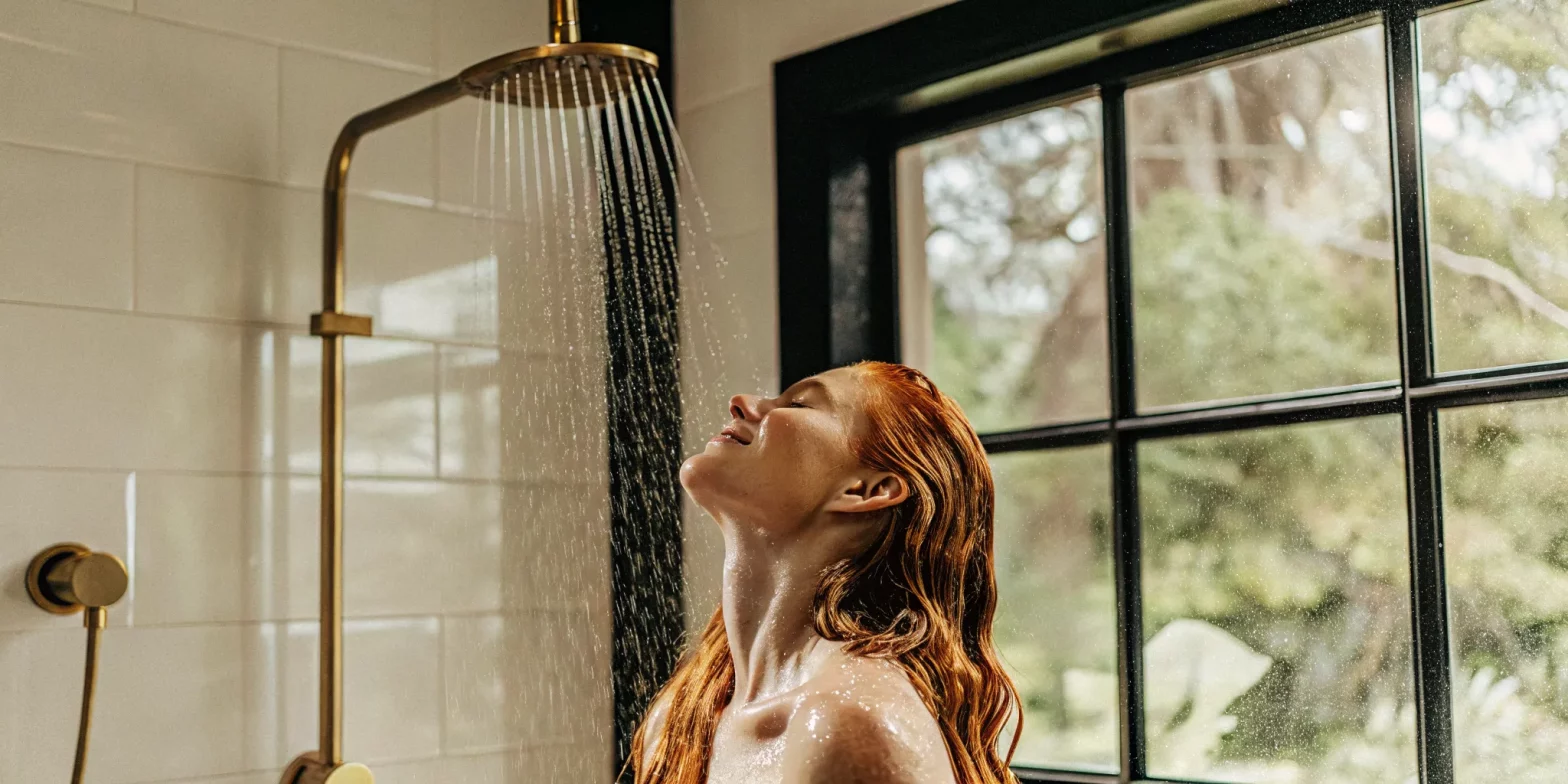
Color-treated hair can lose its polish for reasons that have nothing to do with your formula or your stylist. If your color fades quickly, turns warmer, or feels dry and coated between appointments, the water in your shower deserves a closer look. Hard water affects roughly 85% of households in the United States, making mineral exposure a common part of a color-care routine.
If you are asking, does hard water affect hair color, the answer is yes: calcium and magnesium deposits can collect on the hair surface. Interfere with its pH and porosity, and contribute to fading, brassiness, dullness, and a rougher feel over time.
This does not mean vibrant color or healthy hair are out of reach. Understanding what those minerals do to the cuticle helps you choose a routine that removes buildup without stripping your investment. The first step is seeing how hard water changes the environment around each strand.
Does Hard Water Affect Hair Color: How Hard Water Affects Your Hair Color
Yes, hard water can affect hair color. The main issue is not that a single rinse instantly removes dye. Repeated exposure can leave mineral deposits on the hair, change the hair’s surface environment, and make color-treated strands more vulnerable to dullness and fading.
Water hardness is determined by the concentration of dissolved salts, including calcium carbonate and magnesium sulphate, according to research published in the NIH-indexed study. Calcium is especially common in household water. As minerals accumulate, they can coat the hair shaft and leave it feeling dry, heavy, or less smooth. That coating can also create a barrier during coloring, making it harder for color molecules to penetrate evenly into the strand.
Mineral buildup changes the hair’s surface
Hard-water deposits can shift the pH around the hair and encourage the cuticle to lift. A raised cuticle provides more opportunity for pigment to leach out during washing. Mineral buildup may also interfere with the way the hair reflects light, so color can look less vivid even before the dye has completely faded. Over time, the combination of deposits, a less compact cuticle, and repeated cleansing can make recently colored hair appear flatter or brassier.
This is why a routine designed to prevent color fading from water should address both buildup and the condition of the hair fiber. Removing deposits without restoring moisture can leave color-treated hair feeling rough, while conditioning alone may not address the mineral layer.
Exposure matters more than one wash
The evidence also calls for a measured interpretation. In the NIH study, short-term treatment in hard water did not produce a statistically significant difference in tensile strength or elasticity compared with distilled water. That finding does not establish that every hard-water effect is immediate or universal. The researchers noted that higher mineral concentrations or longer exposure could alter the outcome.
That distinction matters for color care. Hard water is widespread, affecting approximately 85% of households in the United States, as reported by Allure. If your hair is colored and regularly exposed to mineral-rich water, gradual buildup may be a manageable contributor to faster fading rather than a reason for alarm. The goal is targeted maintenance: reduce deposits, protect the cuticle, and keep the hair’s structure conditioned.
5 Warning Signs Hard Water Is Damaging Your Color
Mineral-rich water does not usually change your shade after one wash. But repeated exposure can leave deposits on the fiber and contribute to fading, unwanted warmth, dryness, and reduced shine. With an estimated 85% of U.S. households supplied by hard water, these changes can be easy to mistake for ordinary color wear.
1. Your color fades faster than expected
If your color looks noticeably dull only a few weeks after your salon appointment, hard water may be part of the pattern. Mineral deposits can interfere with the smooth, reflective surface of the cuticle, while repeated washing and exposure gradually reduce the clarity and vibrancy you paid to achieve. This does not mean your color service failed. It may mean your routine needs to account for the water coming through your shower.
Review habits that help prevent color fading from water, especially if the change appears consistently after washing at home.
2. Blonde or light hair develops brassiness
Unwanted yellow, orange, or copper tones are another common clue, particularly in blonde, gray, highlighted, or otherwise lightened hair. Copper and iron in water can deposit on the hair and make a cool shade look warmer over time. If your tone shifts between color appointments without a change in your formula, water minerals deserve consideration.
A targeted routine can help prevent brassy tones while preserving the intended tone of your color.
3. Hair feels dry, tangled, or stiff after conditioning
Mineral residue can coat the cuticle, so hair may feel rough, rigid, or difficult to detangle even after you apply conditioner. Color-treated hair is already more vulnerable to changes in porosity. A mineral film can make hydration feel less effective because the conditioner has a less even path to the fiber.
4. Shampoo is difficult to lather
Hard water minerals can react with the fatty ingredients in cleansing products and form soap deposits. The result is shampoo that seems to disappear, produces little lather, or leaves a coated feeling after rinsing. More product is not always the answer. Adding more cleanser can increase residue without addressing the mineral buildup itself.
5. Your hair has lost its usual shine
Visible dullness often appears alongside the other signs. When the cuticle is coated and the surface becomes less uniform, light reflects less evenly, so color can look flat even when the underlying pigment remains present. Notice whether your hair has lost both vibrancy and movement, rather than judging color by tone alone. That combination can point to buildup and a need for a more targeted cleansing and conditioning routine.
Does Hard Water Affect All Hair Colors the Same Way?
No. Hard water can affect every hair color, but the visible result depends on the shade, porosity, and whether the hair has been lightened or chemically treated. Calcium, iron, and copper deposits form a mineral film on the cuticle, reducing light reflection and making color appear less vibrant.
Blonde and lightened hair usually reveals the problem first. Copper and iron deposits can create yellow or orange tones, making a cool blonde look brassy. These shades are also often more porous, so mineral buildup can make the hair feel rough and less reflective.
Red hair may lose its clarity and intensity. Instead of looking bright and dimensional, it can appear muted or muddy as the mineral film interferes with the way light moves through the hair.
Brown and black hair may not turn visibly warm, but buildup can still make the color look dull, ashy, or flat. Across all shades, the film can interfere with the cuticle’s smooth surface and make conditioned hair feel coated rather than soft. The color difference is visual, but the underlying issue is the same: mineral residue limits shine and can disrupt the appearance of freshly colored hair.
How to Remove Hard Water Buildup from Hair
| Solution | How It Works | Best For | Frequency |
|---|---|---|---|
| Chelating or clarifying shampoo | Binds to mineral deposits and lifts them from the hair shaft. Chelating formulas are designed for buildup that a standard cleanser may leave behind. | Removing existing calcium and magnesium residue | One to two times weekly, or as directed on the product |
| Shower filter | Reduces calcium and magnesium at the source, before the water reaches your hair. | Limiting ongoing exposure between wash days | Continuous use; replace the filter as directed |
| Acidic rinse, such as diluted ACV | Helps restore the hair’s pH balance and encourages the cuticle to lie flatter after cleansing. | Supporting smoother feel and shine after mineral exposure | Occasionally, diluted and used as directed |
| Weekly deep conditioner | Conditions the cuticle, cortex, and cell membrane complex, helping address structural stress after buildup is removed. | Color-treated hair that feels dry, weak, or porous | Weekly |
The most complete approach combines removal with prevention. A chelating shampoo can address deposits already on the hair, while a shower filter helps reduce the mineral load that arrives with each wash. Hard water is widespread, affecting approximately 85% of US households according to Allure, so the right combination depends on your water source and how your hair responds.
After buildup is removed, focus on the structure beneath the surface. Solanesse Deep Conditioner Post-Color Revitalizer uses keratin, collagen, and peptides to support the cuticle, cortex. And cell membrane complex, rather than treating hair as if only its outer layer needs attention. This makes it the structural repair step in a hard water routine, especially when color-treated hair feels dry or less resilient. For a broader recovery plan, see our guide to repairing structural damage from hard water.
Preventing Hard Water Damage to Color-Treated Hair
A consistent routine can limit mineral exposure without asking you to compromise your color-care goals. Treat prevention as ongoing maintenance: reduce deposits at the source, remove them thoughtfully, and support the hair structure between appointments.
- Install a shower filter. Reducing mineral exposure at the source gives color-treated hair a better starting point. A shower filter can help limit the amount of hard-water residue that contacts your hair during every wash. Especially when you notice persistent dullness, dryness, or fast color changes.
- Use a chelating shampoo once or twice per week. Chelating formulas are designed to lift mineral deposits before they accumulate. Follow the product directions and adjust frequency to your hair’s needs. Overuse can leave color-treated hair feeling dry, so use this as a targeted reset rather than your everyday cleanser.
- Choose a color-safe, sulfate-free shampoo for daily washing. Your regular shampoo should cleanse gently while helping you protect the tone and condition you worked to achieve. Read more about the best shampoos for hard water mineral buildup and how a color-safe formula fits into your routine.
- Wash with cool to warm water. Very hot water can encourage the cuticle to lift, which may increase moisture loss and make color look less vibrant. Choose a comfortable cool to warm temperature, rinse thoroughly, and finish with cooler water if it feels good for your hair.
- Apply a weekly deep conditioner. Regular deep conditioning helps maintain moisture and structural strength after repeated washing and environmental exposure. Solanesse Deep Conditioner Post-Color Revitalizer contains keratin, collagen, and peptides and is priced at $39. Use it weekly as a restorative step for the cuticle, cortex, and cell membrane complex.
Your color is an investment in self-expression, and understanding your water gives you more control over how it looks and feels between appointments. You can respond strategically instead of treating fading or dryness as inevitable.
When mineral exposure has already affected the hair’s condition, learn more about repairing structural damage from hard water as part of a thoughtful post-color routine.
Frequently Asked Questions
Does hard water affect hair color?
Yes. Mineral deposits can alter the hair’s surface and pH, making color look dull, fade sooner, or develop unwanted brassy tones. The effect is more noticeable with repeated exposure and limited buildup removal.
How does hard water affect color-treated hair?
Calcium and magnesium can coat the hair shaft, leaving a film that interferes with the cuticle and color’s appearance. Blonde and lightened hair may look yellow or orange, while darker shades can lose shine and appear flat.
What are the signs of hard water buildup on hair?
Common signs include faster-than-expected fading, brassiness, dryness, tangling, dullness, and hair that feels weighed down after washing. Shampoo may also struggle to lather normally.
How can you counteract hard water on hair?
Use a chelating shampoo periodically to lift mineral deposits, and consider a shower filter to reduce exposure at the source. Follow clarifying treatments with a deep conditioner to replenish moisture and support the hair’s structure.
Can hard water cause hair shedding or hair loss?
Hard water can leave the hair dry and more prone to breakage, but there is limited evidence that it directly causes internal hair loss or shedding. Persistent shedding should be evaluated by a qualified healthcare professional, especially when it occurs at the scalp.
Ready to Restore Color-Treated Hair?
After mineral buildup has left color-treated hair dry, dull, or more vulnerable to fading, targeted conditioning can help restore softness and structural support. Shop the Solanesse Deep Conditioner Post-Color Revitalizer for a focused post-color care step, formulated with keratin, collagen, and peptides to support the cuticle, cortex, and cell membrane complex. Shop Solanesse Deep Conditioner Post-Color Revitalizer to begin your repair routine.


