


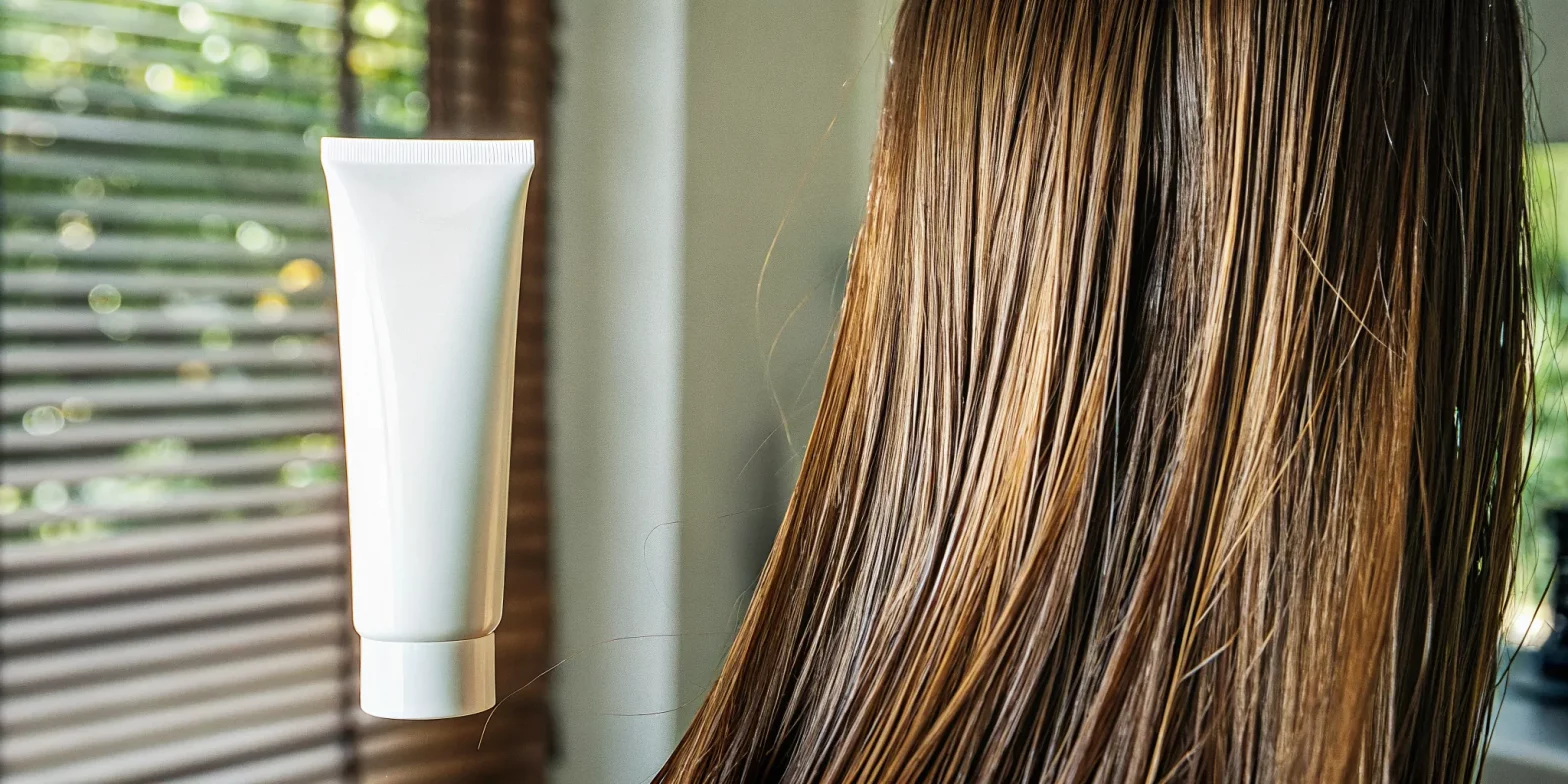
“Dull and porous hair is a common sign of long-term chemical damage from coloring. These structural gaps make it harder for your hair to hold moisture and shine. A whole-structure approach to repair can fix the cuticle and the cortex. Starting with a color-safe shampoo routine is the first step in a complete post-color hair care plan.
Hydrolyzed keratin collagen color-treated hair treatments work by fixing the internal scaffold and filling the gaps in damaged fibers with small proteins that enter the inner hair cortex. Research in the Journal of Cosmetic Dermatology shows that these small peptides increase hair strength and help stop breakage by making the hair shaft much more stiff. Collagen adds the bend needed for natural bounce as this duo fixes all three layers of the hair, from the outer cuticle to the inner cell membrane complex. By understanding how proteins repair color-treated hair, you can keep your color bright and your hair soft — and learn how to prevent brassy hair for lasting tonal vibrancy with a luxury ritual for a complete and lasting repair.
Knowing how these proteins work is the first step toward better hair health. Understanding how chemical dyes change your hair’s natural makeup helps you choose the right repair strategy. Read on to learn how coloring depletes the proteins your hair needs most, and how science can restore what color takes away.
Hydrolyzed Keratin Collagen Color-treated Hair: How Hair Coloring Depletes Essential Structural Proteins
Hair coloring is more than a change in style. It is a chemical change that alters the core of your hair. To know why your hair feels dry or weak after a salon visit, you must look at its build. Your hair relies on a fine balance of proteins to stay shiny and strong. When you use harsh dyes, you break this balance at a deep level.
The building blocks of healthy hair
Your hair is almost all protein. A tough protein called keratin makes up about 90 percent of each hair strand. This protein gives hair its shape and strength. While keratin is key for hair, collagen is the main protein in the body. It makes up about 30 percent of all protein in your system. They work together to form your hair.
Keratin acts as the frame for each strand. Other proteins and fats fill in the gaps to create a smooth surface. One vital part is the cell membrane complex, or CMC. Think of the CMC as the glue that holds the hair layers together. When you color your hair, you put this glue at risk. The chemicals used to change your color must first break through the outer layer to reach the core. This path of harm leaves the hair prone to splits and frizz.
How chemicals break down protein bonds
To change your hair color, dyes must open the cuticle. This is the outer shell of the hair. This often uses harsh agents like ammonia to swell the hair shaft. Once the cuticle is open, other chemicals enter the hair to change the color. This process does more than just change how you look. It breaks the disulfide bonds that hold keratin together. These bonds are what give your hair its bounce and snap.
Different ways to color cause different levels of damage. A single color process is gentle. It only adds color or lifts it slightly. But bleach and highlights are much more harsh. Bleach uses strong force to strip away color. In the process, it also kills the core proteins of the hair. This leads to a loss of mass. It leaves the hair weak and easy to break. Even a few highlights can create spots of deep protein loss that lead to snap-offs later.
Amino acid loss and high porosity
The damage from hair dye hits specific amino acids in the keratin. Studies show that chemical steps lead to the loss of cysteine and methionine. These amino acids are vital for the strength of the hair fiber. When they are gone, the hair loses its power to stay strong under the heat of a blow dryer or the pull of a brush. The hair shaft becomes thin and lacks the weight it once had.
As these proteins fade, your hair becomes more porous. High porosity means that the cuticle scales are lifted or gone. This creates holes in the hair. While porous hair can take in water fast, it cannot keep it. This is why color-treated hair often feels dry even after you wash it. The water simply leaks out of the gaps. To fix this, you must look at how proteins repair color-treated hair by filling those holes.
The loss of protein is not just a surface issue. It affects the cuticle, the cortex, and the CMC. Simple soaps often only clean the surface. But deeper care is needed to restore health. Using hydrolyzed keratin collagen color-treated hair products can help. These small protein bits can move into the hair to rebuild what was lost. This refill keeps your hair looking its best while you show off your new color. It moves the hair from a state of distress back to a state of gloss and strength.
Hydrolyzed Keratin: The Foundation of Hair Strength
Keratin is a tough, fibrous protein that makes up about ninety percent of each hair strand. When you color your hair, chemical agents strip these proteins away. This leaves the hair weak and prone to damage. Hydrolyzed keratin acts as a science-backed fix for this problem. It starts as large protein chains that chemists break down through a process called hydrolysis. This step turns the proteins into small pieces called peptides. These small peptides can then move into the hair where they are needed most.
How small proteins fix the inner hair
The hair cortex is the middle part of the strand that gives it strength. In color-treated hair, this core often becomes porous and thin. Research shows that low-weight keratin peptides can move deep into the hair cortex. Once inside, they fill the gaps left by chemical processing. This helps the hair hold onto moisture and stay strong. By fixing the core, these proteins help in strengthening color-treated hair from the inside out.
Using small proteins is key for a full repair. Large proteins are too big to enter the hair shaft. They only sit on the surface. But low-weight peptides act like tiny building blocks. They fit into the damaged spots in the hair’s structure. This leads to a hair fiber that feels firm rather than limp. It also helps to prevent the snapping and splitting that often follow a color session.
Surface protection for smooth shine
Not all proteins need to go deep. While small pieces fix the core, larger keratin peptides stay on the outside. These high-weight proteins stick to the hair surface to form a light shield. This layer smooths down the cuticle, which is the outer scale-like part of the hair. When the cuticle is flat, the hair looks shiny and feels soft. This surface repair also helps to lock in the color so it stays bright for a longer time.
Both mid-size and large keratin pieces play a big role in hair health. They work to increase the hair’s force and reduce the chance of breakage. When the hair is strong, it can handle daily stress like brushing or heat styling. This dual action gives you the best of both worlds. You get a strong core and a smooth, glossy outside that shows off your color.
A clean path to hair health
Many salon keratin treatments use harsh chemicals like formaldehyde to get results. These methods often need high heat, which can hurt color-treated hair even more. Solanesse takes a different path. We use a clean, science-driven ritual that works in just ten to fifteen minutes. Our formula is free from silicones, sulfates, and parabens. Instead of a temporary coating, we focus on a whole-structure approach to repair.
This method treats the cuticle, the cortex, and the cell membrane complex. It gives your hair what it needs without the use of heavy oils or waxes. By using hydrolyzed keratin and collagen, you can keep your hair healthy at home. This means you can enjoy bold color without the fear of long-term damage. It is a simple, elegant way to care for your hair after every color service.
Collagen: Elasticity, Volume, and Fullness for Color-Treated Hair
Collagen is a vital part of your hair care plan. While keratin gives your hair its core strength, collagen adds stretch and bounce. In the human body, collagen is the main base protein. It makes up about 30 percent of all protein you have. But as you get older, your body makes less of it. This drop starts at about one percent each year after age 25. For women who color their hair, this loss can make strands feel thin and flat. Using hydrolyzed collagen helps fill this gap and keeps your hair looking full and lush.
The triple helix vs. alpha helix
To learn how collagen works, we must look at its shape. Keratin has a tight, coiled shape called an alpha-helix. This shape is very strong. It gives your hair its rigid frame. Collagen is different. It has a triple-helix structure. This three-strand braid makes it much more springy than keratin. When you use both in your routine, you get the best results. The keratin stops your hair from breaking. At the same time, the collagen makes sure your hair can bend without snapping. This pair works to keep your strands tough but soft.
Rebuilding with glycine and proline
The dyes used to color hair can be harsh on your hair’s protein. These chemicals often strip away glycine. Glycine is an amino acid that your hair needs to stay healthy. Collagen is full of glycine, proline, and hydroxyproline. These are the main building blocks of your hair’s natural protein matrix. By using a product with collagen, you give your hair the raw parts it needs to stay strong. Research shows that hydrolyzed proteins can go deep into the hair and improve its feel. This helps bring back the natural bounce that dyes often take away.
Sealing the cuticle for weightless volume
Collagen also forms a thin film on the hair surface. This layer helps seal the hair cuticle. When the cuticle is shut tight, your hair color stays trapped inside for a longer time. This stops the color from fading fast and adds a high-gloss shine. This is why many people look for protein-rich hair repair treatments for their post-color care. Many other brands use silicones to make hair soft. But these can build up and make hair feel heavy and limp. Solanesse uses a blend that is free from silicones. Instead of a plastic-like coating, we use collagen to soften your hair. This gives you moisture without the weight. It leaves your hair feeling light, full, and healthy.
Why Keratin and Collagen Work Better Together for Complete Hair Repair
Fixing hair after color work takes more than a one-sided plan. While many products focus on just one type of repair, the best results come from a pair of proteins. Using both hydrolyzed keratin and collagen creates a strong team for your hair. These two proteins work as one, like a crew building a house. One builds the frame, while the other fills in the walls.
A full structure approach to repair
Most common hair masks only fix one part of the hair. Some focus on bonds, but hair has three main parts that need care. You must treat the cuticle, the cortex, and the cell membrane complex to see real change. This “glue” that holds the hair cells in place is often lost during the color process. By treating all three layers, you can enjoy a strengthening color-treated hair ritual that lasts.
Bond-only treatments might help with one type of damage, but they often miss the big picture. A full plan gives your hair the tools it needs to stay healthy. Hydrolyzed keratin and collagen are needed to fix the whole hair structure from the inside out. This method ensures that your hair stays soft and shiny even after harsh dye use.
How protein teamwork builds strength
Keratin and collagen act like the steel and concrete in a tall building. Keratin is a tough protein that forms the core frame of each strand. It gives the hair its shape and hard strength. But strength alone can make hair stiff and dry. That is where collagen comes in. Collagen fills the gaps and binds the structure as one. This mix gives your hair the bounce and flex it needs to resist breaks.
Small protein bits, known as peptides, can dive deep into the hair shaft to fix it. Research shows that low molecular weight peptides can reach the hair cortex for deep repair. When these small pieces enter the hair, they help rebuild the core strength that color strips away. This teamwork makes your hair feel new again without the weight of heavy oils or silicones.
Fixing health after color damage
Harsh dyes and bleach can strip away the natural proteins that keep hair alive. Over time, this damage builds up and leads to frizz, dullness, and split ends. Using both proteins helps stop this cycle. Keratin fills in the cracks on the surface, while collagen adds moisture and volume from within. This duo helps your hair look full and bright after every wash.
| Hair Layer | What Coloring Does | Keratin’s Role | Collagen’s Role |
|---|---|---|---|
| Cuticle (outer layer) | Lifts scales, creates roughness and porosity | Fills gaps, smooths surface for shine | Seals cuticle, prevents color fade |
| Cortex (middle layer) | Strips structural proteins, weakens core | Penetrates deep, rebuilds tensile strength | Adds flexibility, reduces breakage |
| Cell Membrane Complex | Dissolves intercellular “glue,” causes split ends | Reinforces bonds between cells | Binds matrix, restores structural integrity |
Keeping your hair healthy does not have to be hard. A simple ritual that uses these two proteins can make a big difference. You can fix the damage from years of color work by giving your hair what it lost. When you use the right science, you do not have to pick between bold color and healthy hair. You can have both with a smart, two-protein plan.
The Solanesse Post-Color Repair Ritual: Science in Action
Repairing hair after color needs more than a quick rinse. The Solanesse ritual is a science-backed step to fix hair structure. This one-step at-home care targets the cuticle, cortex, and cell membrane complex. It uses a blend of hydrolyzed keratin and collagen treatment to rebuild what chemical dyes take away.
Step-by-step usage guide
To get the best results, use the care once per week. Follow these simple steps.
-
t
- Wash your hair with a mild shampoo and pat it damp.
- Squeeze a generous amount of cream into your palm and apply it from root to tip, covering every strand.
- Leave the cream on for 10 to 15 minutes so the proteins can bond to the hair shaft.
- Rinse your hair with cool water to shut the cuticle and lock in shine and strength.
t
t
t
Warm damp hair helps the cuticle scales stay open. This allows the hydrolyzed keratin peptides to go deep into the hair shaft. Cool water seals the cuticle to keep moisture and color in.
You can use this ritual on all hair types. This includes single process color, bleach, highlights, or chemically straightened hair. Use it once per week or right after each color session to maintain results.
A sensory repair experience
Luxury care should feel as good as it works. As you use the cream, you will smell bright top notes of bergamot citrus. This fresh scent moves into a warm vanilla finish that stays after you rinse. This scent turns a needed step into a calm ritual. The clean formula is free from sulfates, parabens, silicones, and GMOs. It also has no phthalates or mineral oils. This makes for a pure feel for your scalp and hair.
Proven results and peace of mind
We know that trust comes from results. In our research, 90% of women saw visibly healthier hair after just one use. This claim comes from a study of women who used the ritual after a standard color. Because we believe in our formula, we offer a 30-day guarantee for new buyers. You can try the ritual risk-free to see how it helps your strengthening color-treated hair goals. For $65, you get a full 4 oz tube with free shipping in the U.S.
Frequently Asked Questions
What are the benefits of hydrolyzed keratin for color-treated hair?
Hydrolyzed keratin helps fix hair that has been made weak by color. It breaks down into tiny parts called peptides. These tiny parts can go deep into the hair. This step helps rebuild the inner strength of your hair. A study in PMC shows that these peptides reduce hair breakage. They help make the hair more firm. This makes your hair feel smooth and look much more healthy.
How do hydrolyzed keratin and collagen work together to repair hair?
These two proteins work as a team to fix your hair. Keratin acts like a frame to build the hair back up. Collagen works like a glue to fill in the gaps. Both fix all parts of the hair. This includes the outer skin, the inner core, and the glue that holds them both. This full hair plan is better than tools that only fix one part. It leaves your hair strong and bouncy.
What is the difference between collagen and keratin for hair repair?
Keratin and collagen do two different jobs for your hair. Keratin makes your hair strong and firm. It builds the main part of the hair shaft. Collagen helps your hair stay soft and stretchy. It adds bounce and makes the hair look full. Based on research, collagen is the main protein in the body. Using both helps your hair stay tough while also keeping it soft and full of life.
How often should you use a hydrolyzed keratin treatment?
You should use this treatment once a week for the best results. If your hair is very dry or damaged from color, you can use it two times a week. This helps keep your hair strong and shiny between salon visits. Using it too much can make hair feel stiff, so stick to this ritual. A weekly repair ritual ensures your hair stays healthy without over-loading it with protein.
Can hydrolyzed keratin and collagen be used on bleached hair?
Yes, these proteins are very good for bleached hair. Bleach takes away the hair’s own proteins that keep it strong. This can lead to dry hair that breaks fast. Using a protein ritual helps put back what the bleach took away. It fills the gaps in the hair shaft and smooths the outer layer. This stops the hair from snapping and helps it feel soft again. It works for all hair types.
Ready to strengthen your color-treated hair?
Leaving hair damage alone lets harsh chemicals weaken your strands each day, which leads to split ends that regular styling and basic creams cannot fix. Each week you wait to fix the damage, your hair loses the key proteins it needs to stay soft, strong, and healthy for a long time. If you do not act now, the chemical stress can cause lasting harm to the outer layer and the inner core of your hair strands. By starting this post-color ritual today, you can see a real change in ten minutes as the clean formula works on every layer of hair.
Ready to try Solanesse Deep Conditioner Post-Color Revitalizer? Contact us to request your treatment and start the repair process for your colored hair today.”


