


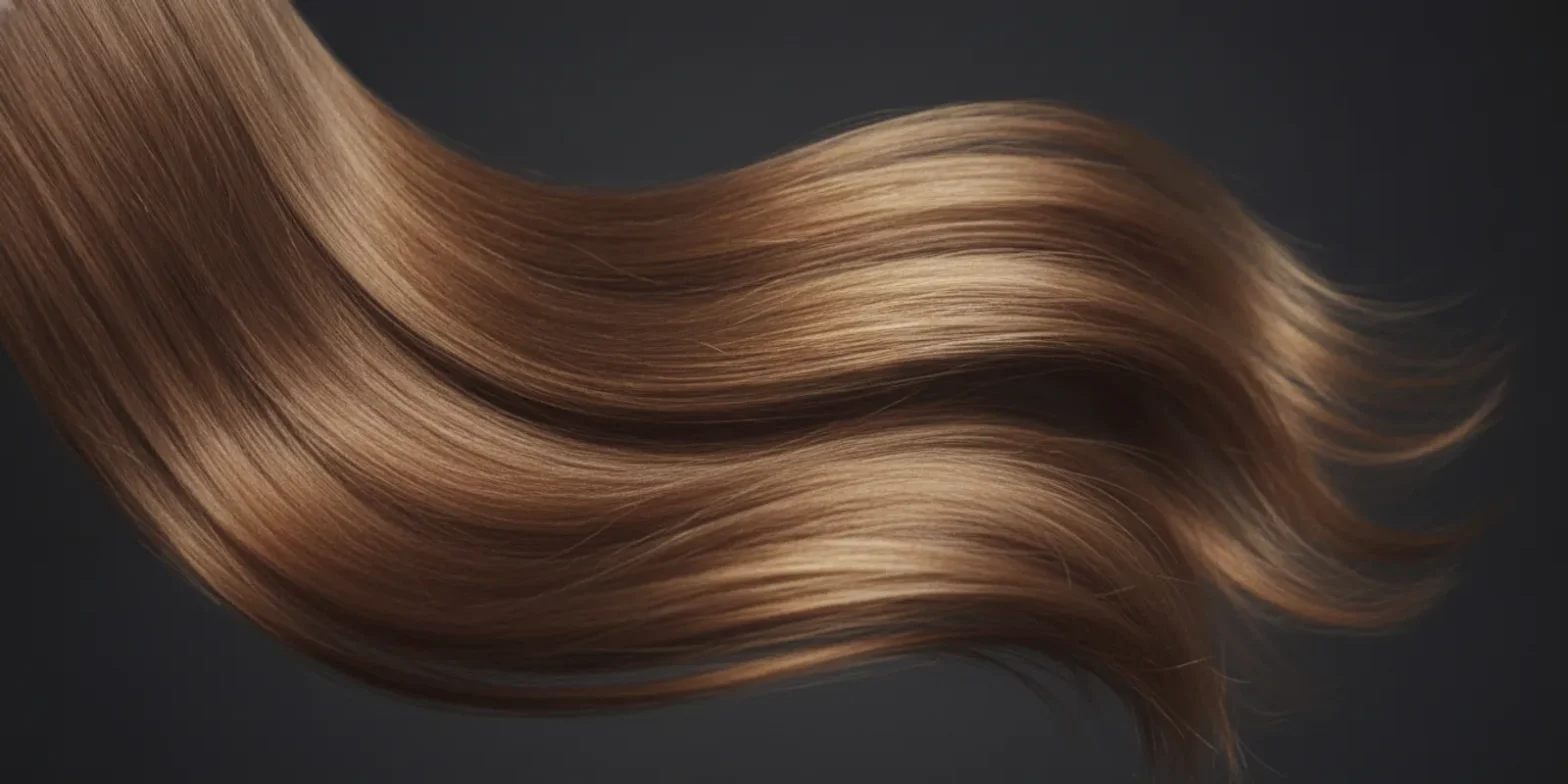
What is the hair cuticle? It is the outermost layer of the hair shaft: a protective surface made of tiny, overlapping cells that lie like shingles along each strand. This surface helps shape how hair feels, reflects light, and moves against other strands. Color can be an act of self-expression; understanding the cuticle helps you care for the hair around it with more confidence.
Shop the Deep Conditioner Post-Color Revitalizer
What is the hair cuticle?
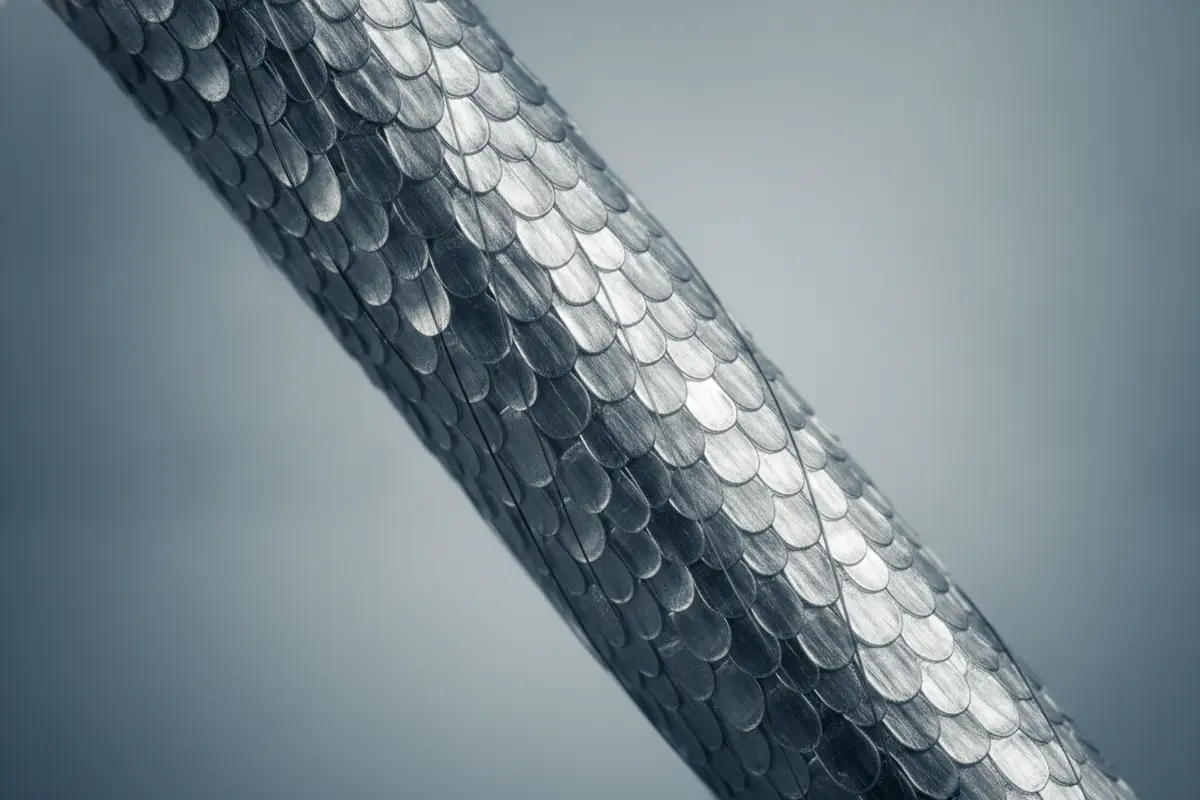
A strand of hair has several structural regions. The cuticle is the outside layer, surrounding the inner cortex. It is not a single smooth coating. Instead, it consists of flattened cells that overlap along the shaft. Think of roof shingles: each cell lies over the one below it, creating a layered surface rather than a sealed shell.
The cuticle is made largely of keratin-rich cells. Its condition influences surface friction, shine, and how well the inner parts of the fiber are shielded from everyday wear. A research article on the hair cuticle describes its role in protection and in properties such as friction and shine (research on the molecular structure of hair cuticle cells). Another review examines human hair cuticle structure through multiple analytical methods (review of the hair cuticle). That does not mean the cuticle is an impenetrable barrier. It is a working surface that can be worn or altered by chemical processing and repeated physical stress.
When cuticle cells lie relatively flat and the surface is well lubricated, strands may feel smoother and catch light more evenly. If the surface is roughened, lifted, chipped, or missing in places, hair may feel more snag-prone or look less glossy. These are useful clues, but they are not a diagnosis: several factors, including styling habits and the condition of the lengths, can affect how hair looks and feels.
How does the cuticle protect the hair shaft?
The cuticle is the first part of the hair fiber to meet combs, brushes, clothing, water, styling tools, and chemical products. Its overlapping structure helps buffer the inner fiber from some outside wear. The surface also affects how strands slide across one another. Less friction can make detangling easier; more friction can make tangles and breakage during handling more likely.
Shine is partly a matter of light reflecting from the hair surface. A smoother, more aligned surface can reflect light more evenly than a rough one. That is why hair can appear dull after repeated stress even when its color has not changed. Shine is not a direct measure of internal strength, though. A strand may look glossy because of surface conditioning while still needing gentle handling.
Each visible strand is a length of fiber that has been exposed to different conditions over time. The ends are older than the hair near the scalp, so they have had more chances to encounter brushing, heat, color services, and friction. That is one reason a strand may feel softer near the roots and rougher through the ends. It is also why applying every product only at the scalp may not address the area that needs the most conditioning.
The cuticle does not grow back along an already-emerged hair length. Hair fiber is not living tissue, so conditioning products can improve slip, softness, and manageability, but they cannot biologically regenerate worn-away cuticle cells. This distinction helps set sensible expectations: care can support the feel and reduce avoidable stress on the lengths, while damaged sections may need time to grow out or be trimmed.
What can damage or roughen the cuticle?
Damage is cumulative. A single color appointment does not affect every strand in the same way, but chemical processing, frequent high heat, and rough handling can add up. Hair that feels dry, tangles easily, or breaks during detangling may benefit from a gentler routine and a closer look at what is repeatedly stressing it.
Bleaching and permanent color
Bleach and oxidative color work by changing the hair fiber chemically so that color can be lightened or deposited. These processes can affect the cuticle and the inner structure. The extent depends on the service, the starting condition of the hair, the products used, and how often processing is repeated. A review of cuticle structure notes that chemical treatments such as bleaching can damage or remove cuticle material (Royal Society of Chemistry discussion of hair-care science).
Color-treated lengths can therefore need care beyond simply choosing a shade-safe shampoo. Avoid overlapping chemical services without professional guidance, and tell your colorist about previous processing. If hair becomes unusually fragile or gummy when wet, pause additional chemical services and seek advice from a qualified stylist.
Not every color service has the same effect. Permanent dye, demi-permanent color, and temporary color differ in how they interact with the hair. For a broader comparison, see how hair dye and bleach differ and the guide to how hair dye works.
Heat and repeated styling
Hot tools expose hair to high temperatures. Frequent use, prolonged contact, or repeated passes over the same section can contribute to surface and fiber damage. A hot tool is not the only factor: dampness, tool temperature, technique, and existing chemical processing all matter. Use the lowest effective setting, keep the tool moving, and avoid repeatedly pressing a fragile section.
Blow-drying can also create stress through heat and airflow. Blot or squeeze out excess water instead of rubbing with a towel, detangle carefully, and use a moderate setting where practical. No styling routine can eliminate all wear, but small changes reduce unnecessary repetition.
Friction, brushing, and everyday wear
Wet hair stretches more readily than dry hair, so forceful brushing or tugging through knots can put extra strain on it. Friction can also come from rough towel-drying, tight elastics, repeated contact with clothing, or sleeping with long hair loose and tangled. Work from the ends upward when detangling, use a wide-tooth comb or a brush suited to your hair, and secure hair without pulling tightly.
Sunlight and environmental exposure can contribute to weathering over time. The point is not to treat every exposure as an emergency. It is to recognize that the cuticle encounters many kinds of wear, then choose habits that lower the total load on already-processed lengths.
It also helps to separate damage from a temporary change in feel. A clarifying wash may remove residue that made hair feel coated; a conditioning treatment may improve slip after a dry-feeling wash. Neither change tells you that the cuticle has been permanently repaired. Notice how hair behaves over several washes and styling sessions, and consider whether a recent service or repeated habit lines up with the change.
For example, if the ends begin catching after several rounds of lightening, review both the chemical schedule and the way you detangle. If hair feels rough after frequent hot-tool use, reducing heat and adding a conditioning step may make the routine more manageable. The best first move is often to remove one source of avoidable stress rather than layering on multiple products at once.
How can you tell when the surface needs gentler care?
There is no at-home visual test that can precisely measure cuticle damage. Instead, notice patterns in how your hair behaves. A rough feel alone does not reveal exactly which layer is affected, but it can be a cue to adjust handling, conditioning, or heat use.
- More snagging: Hair catches during combing or tangles quickly after washing.
- Less slip: Strands feel rough or drag against one another, especially through the ends.
- Dry or dull appearance: The surface may not reflect light evenly, though dryness and product buildup can also play a role.
- More breakage during handling: Short broken pieces may appear after brushing or styling. This can have several causes and is not proof of cuticle damage alone.
- Uneven feel along the length: Older ends may be more weathered than newer growth closer to the scalp.
Compare similar conditions rather than judging hair when one day is freshly conditioned and another follows heat styling. If changes are sudden, severe, or accompanied by scalp irritation, consult a qualified hair professional or medical provider as appropriate.
What does conditioning do for the cuticle?
Conditioners deposit ingredients on the hair surface and can improve slip, softness, and manageability. This can make combing less effortful and help reduce friction during styling. Conditioning can also make hair look smoother by improving the way the surface behaves. These effects do not mean that missing cuticle cells have been rebuilt or that chemical damage has been permanently reversed.
Choose a conditioner based on the needs of your hair and how it responds. Fine hair may prefer a lighter amount, while dense or coarse lengths may need more product for even coverage. Apply conditioner mainly where the hair is most weathered, follow the product directions, and rinse as directed. More product or more time is not automatically better. There is no single schedule that suits every head of hair: wash frequency, texture, styling habits, and the amount of chemical processing all affect what feels comfortable. If hair becomes limp or coated, try using less or applying it to fewer areas; if it still feels rough and catches, revisit handling and heat habits rather than assuming that a stronger treatment is always the answer.
Solanesse positions its Deep Conditioner Post-Color Revitalizer as a one-step, at-home post-color ritual. Its listed ingredients include hydrolyzed keratin, collagen, plant-based peptides, sunflower oil, bergamot, and vanilla; the brand says the formula is free from sulfates, parabens, silicones, phthalates, mineral oils, and GMOs. Read more about the ingredients on the Science & Ingredients page. Ingredient presence alone does not establish a specific outcome for every person or hair type.
When comparing conditioners, look beyond a single headline ingredient. Consider how the product is intended to be used, whether its texture suits your hair, and whether it leaves enough slip without an unwanted coated feel. A useful conditioner fits into the routine you can maintain and supports comfortable detangling. For color-treated hair, the goal is not to chase a perfect-looking cuticle after every wash; it is to care for the surface while limiting repeated stress on the lengths.
How should you care for the cuticle after coloring?
A useful post-color routine is consistent, gentle, and realistic. It does not require a long chain of treatments. Focus on protecting the lengths during washing and styling, then add conditioning that suits your hair.
Start by noticing what changed after the service: does hair feel rough only when wet, tangle through the ends, or seem harder to style after heat? That observation helps you choose a useful adjustment. Follow your colorist’s aftercare guidance and each product’s label rather than relying on a universal rule about exactly when to wash or how long to leave a treatment in. Keep the routine steady for a few washes, then assess whether detangling and softness have improved. Change one habit at a time where possible; that makes it easier to tell what is helping and avoids piling on products that may leave the hair coated.
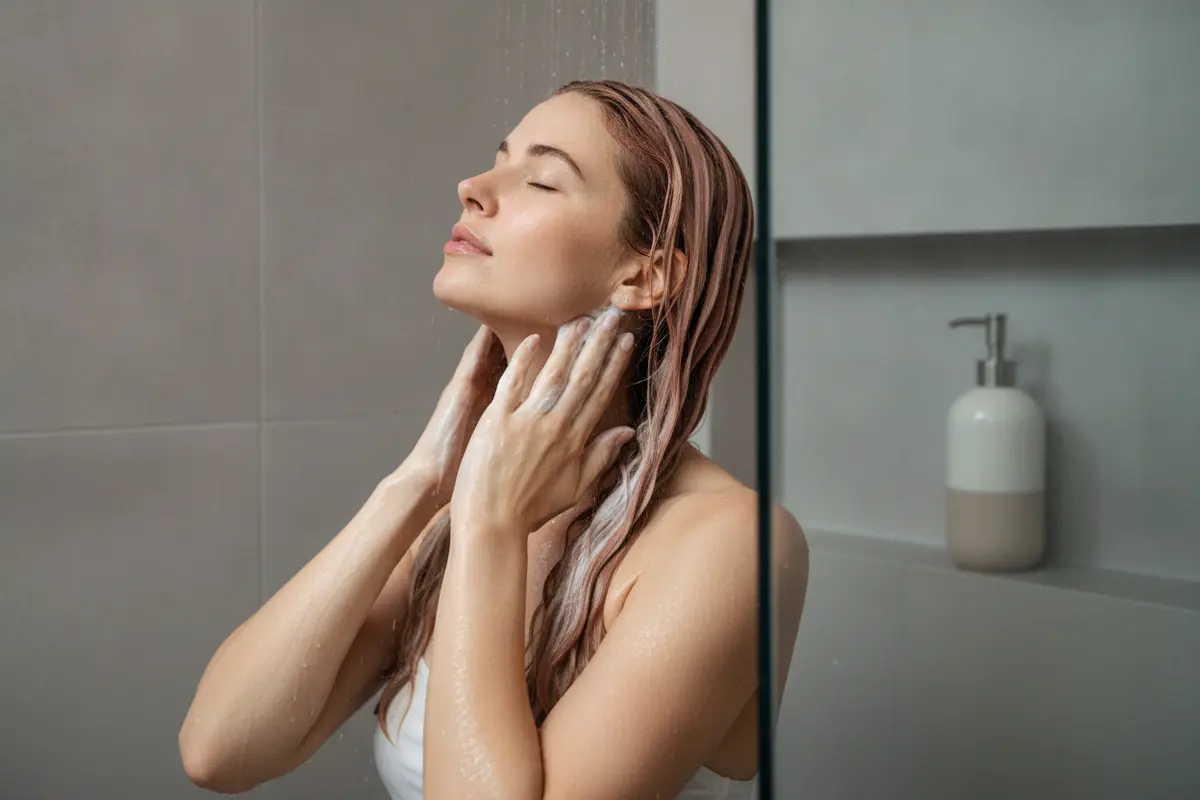
- Wash thoughtfully. Use a shampoo appropriate for your scalp and color-treated lengths. Work it into the scalp, and let the rinse carry suds through the ends instead of scrubbing them together.
- Condition the lengths. Apply conditioner where hair needs slip, especially mid-lengths and ends. Follow the package directions and rinse thoroughly if directed.
- Detangle in stages. Remove excess water gently, then start at the ends and work upward in small sections. Do not force a comb through a knot.
- Reduce repeated heat. Use moderate temperatures and fewer passes. Give hair a break from hot tools when it feels fragile or unusually dry.
- Keep up with trims as needed. Trimming does not repair the cuticle, but it can remove worn ends that snag and split more easily.
- Talk with your colorist. Share your color history and concerns before another chemical service. Ask what can be spaced out or adjusted for your hair’s current condition.
For additional routines, explore care after coloring and guidance on post-color hair porosity. Porosity and cuticle condition are related in some ways but are not interchangeable: porosity describes how readily hair takes up and releases water, while the cuticle is the outer structure itself.
How do common hair-care choices compare?
This table is a practical starting point, not a guarantee. Hair history and individual response matter, so adjust the routine when strands feel more fragile or difficult to manage.
| Choice | What it may support | What to keep in mind |
|---|---|---|
| Gentle detangling | Less pulling and snagging during grooming | Start at the ends; work slowly through knots |
| Conditioning | More slip, softness, and easier manageability | Improves feel and surface behavior; does not regrow cuticle |
| Lower-heat styling | Less repeated exposure to high temperatures | Use fewer passes and avoid lingering on one section |
| More chemical processing | A color change or refresh | Can add to fiber stress; discuss timing and history with a colorist |
| Trimming worn ends | Removes ends that may snag or split | Does not repair the remaining hair shaft |
Frequently Asked Questions
Can the hair cuticle heal itself?
The visible hair shaft is not living tissue, so a worn or missing section of cuticle does not biologically regenerate. Conditioning can make hair feel smoother and easier to manage, while trimming removes worn lengths. New growth emerges from the follicle over time.
Does conditioner close or seal the cuticle?
Conditioner can improve surface slip and help hair feel smoother, but “sealing” should not be taken to mean that a product permanently repairs or replaces cuticle cells. Follow the directions and judge a conditioner by how your hair responds.
Does coloring always damage the cuticle?
Color services vary, and their effects depend on the process and the condition of the hair. Bleaching and oxidative color can alter the hair fiber, but the degree of change is not identical for everyone. Ask a colorist to consider your processing history before another service.
Is a rough-feeling strand proof of cuticle damage?
No. Roughness can also be affected by dryness, residue, tangling, and styling. Treat it as a reason to handle hair gently and review your routine, not as a precise test of the strand’s internal condition.
Get started with a considered post-color ritual
The cuticle is a small, layered structure with an outsized role in how hair feels and reflects light. Color, bleach, heat, friction, and repeated handling can wear the surface over time, while conditioning and gentler habits can support a smoother-feeling routine without promising to reverse every change. Learn more about Solanesse’s approach to post-color hair care or browse the Deep Conditioner Post-Color Revitalizer.
Explore the post-color conditioning ritual
Color freely, live boldly, and care for your hair with a routine grounded in what the cuticle can—and cannot—do.


