



Applying permanent dye every few weeks greatly weakens the mechanical and structural properties of your hair. This frequent chemical contact leads to lasting dryness and more breakage. You can keep your bright color while saving the health of your hair.
Good gray coverage damage prevention needs a shift from standard care to a focused post-color repair ritual. Because permanent dyes must go deep into the hair shaft to hide gray strands, they often change the physical structure and chemical makeup of the hair fiber. Research found on PubMed shows that chemical coloring significantly weakens the mechanical and structural properties of hair. To counter this, a whole-structure repair method is needed to rebuild the cuticle, cortex, and cell membrane complex. By using a science-backed treatment like the Solanesse Post-Color Revitalizer, women can restore moisture and strength right after coloring. This ritual ensures that frequent gray coverage does not result in a buildup of damage or loss of natural shine.
Shop the Solanesse Post-Color Revitalizer to start your post-color repair ritual today.
Standard hair care routines often fall short for women who color their hair every few weeks to keep their look. Gray hair needs a plan that deals with how dyes work on the hair shaft. Understanding Why Gray Coverage Demands a Different Hair Care Approach is the first step. The path begins with
Gray Coverage Damage Prevention: Why Gray Coverage Demands a Different Hair Care Approach
Most hair color habits focus on style or change. Gray coverage is different because it is a long-term commitment. Many women color their roots every four to six weeks to keep a uniform look. While permanent color can give you up to 100% gray coverage, the frequent use of these formulas creates unique stress for your hair.
The challenge of resistant gray hair
Gray hair often has a thick, coarse texture that resists dye. To get full coverage, stylists must use strong formulas. These chemicals work by opening the hair cuticle to let color reach the core. This process is necessary for a rich result, but it changes the physical structure of each strand. Achieving gray hair coverage without damage using whole-structure repair is possible with the right post-color care routine. When you color often, your hair must endure this opening and closing cycle every few weeks.
Cumulative stress on the hair shaft
The main issue with gray coverage is not just one color session. It is the buildup of stress over years of regular touch-ups. Research shows that coloring can impair the mechanical properties of your hair. This means your hair may lose its natural bounce and strength. Because you process the same areas many times, the damage adds up. You can explore the science of hair dye damage to see how these changes affect your daily routine.
Disruption of the hair’s natural makeup
Chemical treatments do more than change your color. They can cause a disorder of chemical constituents within the hair shaft. This means the proteins and oils that keep hair soft and shiny are stripped away. Over time, this leads to a fiber structure that is weak and prone to breaks. Protecting your hair requires an approach that focuses on repair, not just hiding the gray. By understanding these shifts, you can better care for your hair between salon visits.
Gray Coverage Damage Prevention: What Happens to Your Hair Every Time You Color
Every color treatment lifts the cuticle, breaks down internal proteins, and depletes the lipid layer that holds moisture. These changes accumulate with each session, making gray coverage damage prevention an essential part of your hair care routine.
Every trip to the salon involves more than just a shade update. To make the new color stay, the dye must force its way into the core of your hair. This process changes the physical structure and chemical substances of the hair shaft. While the results look beautiful, these changes create small amounts of damage that build up over time.
How the surface layer lifts
The first step in coloring is lifting the cuticle. This is the outer layer of your hair that looks like shingles on a roof. For the dye to reach the inner layers, these shingles must open up. When you color often to hide gray roots, this layer can become rough and lose its ability to lay flat. This makes your hair feel dry and leads to tangles. You can explore the science of hair dye damage to see how this affects your daily routine.
Loss of protein and strength
Inside the hair, the coloring process impacts the mechanical and structural integrity of the fibers. Studies show that bleaching and coloring significantly impair the mechanical properties of hair. This happens because the chemicals break down the proteins that give hair its strength. Without these proteins, hair becomes brittle and may snap when you brush or style it. This loss of strength is why hair often feels thinner or weaker after many years of regular color treatments.
Depletion of the lipid layer
Between the layers of your hair sits the cell membrane complex. This layer acts like glue to keep the hair structure together and hold in moisture. Every time you use dye, this lipid layer can thin out. When the lipids are gone, your hair can no longer stay hydrated. This leads to the dullness and frizz that many people see when they try to maintain full coverage. Using products with silk proteins can help, as these ingredients are known to improve hair luster and reduce structural damage after coloring.
The Critical 48-72 Hour Window After Coloring
The days right after your color work are vital for your look and your hair’s health. During this time, the dye needs a chance to set deep within each strand. If you wash too soon, you may strip away these dots of color before they stay put. This is a big step in damage prevention strategies for gray hair. Gray strands often find it hard to take on new color, so they need extra care.
Protect your look
Following a dedicated post-color hair routine for vibrant shine and softness during this window is essential for long-lasting results. New color is quite weak for about 48 to 72 hours. During this phase, the outer layer of your hair is still a bit open from the dye. This makes the strands easy to fade from heat, water, and touch. Studies show that dye can cause hair fiber damage and change its structure. A strict care plan now will help your color stay and keep your hair strong.
- Wait to wash. Wait at least 48 to 72 hours before you use any water. This gives the color time to set inside the hair shaft.
- Turn down the heat. Use lukewarm water when you wash. Finish with a cool rinse to help close the outer layer and add shine.
- Pick mild soaps. Avoid shampoos that foam a lot or deep-clean too much. Stick to gentle, sulfate-free soaps that clean without harsh force.
- Clean only the scalp. Put soap only on your roots where oil lives. Let the suds run down the hair without rubbing. This stops damage from friction.
- Coat with care. Put a layer of cream on your hair lengths before you use soap. This acts as a shield to protect your hair from the wash.
Keep your hair strong
Once you pass the first few days, try to wash your hair only two or three times each week. Washing too often is a fast way to lose your bright color. You should also protect your strands from sun rays and hot water, which make color fade fast. If you wash less often, you put less stress on each hair fiber.
Using a post-color repair ritual during this time can help fix what the dye took away. A good treatment can rebuild the hair and its inner bonds. This gives you soft hair and keeps it strong for a long time.
Bond Repair vs. Whole-Structure Repair: Why It Matters for Gray Coverage
When you color your hair to cover grays, you often choose between two types of repair. Bond repair is a popular choice that focuses on a single part of the hair strand. While this helps, it may not be enough for the damage that comes from regular coloring. A whole-structure repair mechanism goes further by treating the entire hair fiber.
How bond repair works
Most bond-building products work on the cortex. They aim to fix broken bonds inside the hair. This is helpful after a harsh chemical service, but it only treats one layer. Gray hair can be more coarse and stubborn. It needs more than just a bond fix to stay healthy and soft.
The benefit of whole-structure repair
A full repair ritual treats the cuticle, the cortex, and the cell membrane complex. This method helps to fix the physical structure and the chemical makeup of the hair. Research shows that protein and polysaccharide formulas can protect hair and add shine. Using hydrolyzed keratin and plant peptides helps to rebuild the hair from the inside out.
Treating the whole strand also helps to improve how your hair looks and feels. Studies found that silk proteins can improve luster and reduce structural damage after color treatments. This deep level of care is vital for women who color their hair often to keep their gray coverage looking fresh.
A regular deep conditioning treatment for color-treated hair can help maintain the repair benefits between color sessions.
Comparing repair methods
| Repair Feature | Bond-Only Treatment | Whole-Structure Repair |
|---|---|---|
| Primary Focus | Internal bonds | Cuticle, cortex, and CMC |
| Hair Surface | Small effect on shine | Smooths the cuticle layer |
| Ingredient Base | Synthetic linkers | Proteins and peptides |
| Long-Term Goal | Strength only | Strength, shine, and softness |
| Moisture Balance | Often needs extra steps | Restores lipid layer (CMC) |
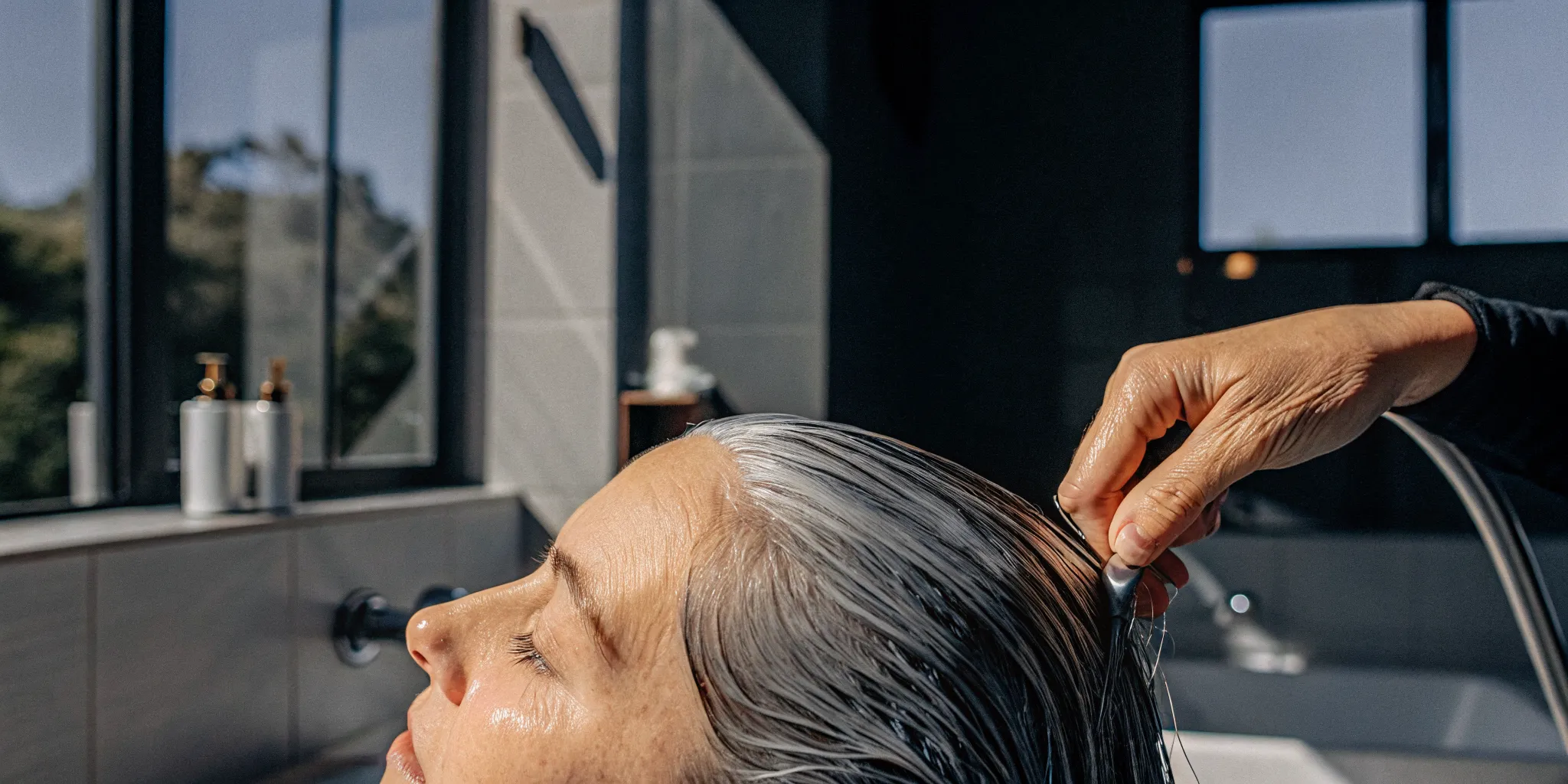
Choosing a more full approach helps to ensure your hair stays strong between salon visits. This way, you can maintain your gray coverage without the worry of dry or brittle strands over time.
Gray Coverage Damage Prevention: Build a Post-Color Repair Ritual That Prevents Cumulative Damage
The most effective gray coverage damage prevention strategy is a post-color repair ritual that rebuilds the cuticle, cortex, and cell membrane complex after every color treatment. A single 10-15 minute treatment can restore strength and moisture.
Coloring hair for gray coverage often leads to long term stress. Each salon visit uses chemicals that open the hair cuticle. This process can cause dryness and breakage if you do not have a good care plan. A post-color repair ritual is the best way to keep your hair strong and healthy between your salon visits.
A simple single step for hair health
Fixing your hair does not have to be a slow or hard task. The Solanesse Post-Color Revitalizer is a single step ritual that fits into your day. You only need to use it for 10 to 15 minutes to see a change. This short time lets the formula work through the whole hair. It mends the outer cuticle and the inner cortex to stop damage from building up.
This ritual gives you soft hair and a bright shine right away. Tests show that 90% of women saw healthier hair after just one use. This quick boost helps you feel good about your hair after a color service. By using this ritual, you stop small issues from turning into big problems. You can color freely while keeping your hair in top shape.
Science-backed ingredients for total repair
The formula uses clean and high quality items to fix chemical damage. It has hydrolyzed keratin and collagen to replace lost proteins. Plant based peptides help fix the cell membrane complex. Tests show that protein and polysaccharide formulas help protect and repair colored hair. They work to increase luster and make hair much stronger.
Solanesse mixes these repair agents with natural oils. Sunflower oil adds moisture, while bergamot and vanilla give it a nice scent. The product has no sulfates, parabens, silicones, or GMOs. It also avoids phthalates and mineral oils for a clean feel. You can buy this ritual for $65. This includes free U.S. shipping and a 30-day guarantee for first-time buyers.
Simple Maintenance Habits That Protect Your Color and Your Hair
Choosing between a hair mask vs deep conditioner for color-treated hair depends on your hair’s specific needs and damage level.
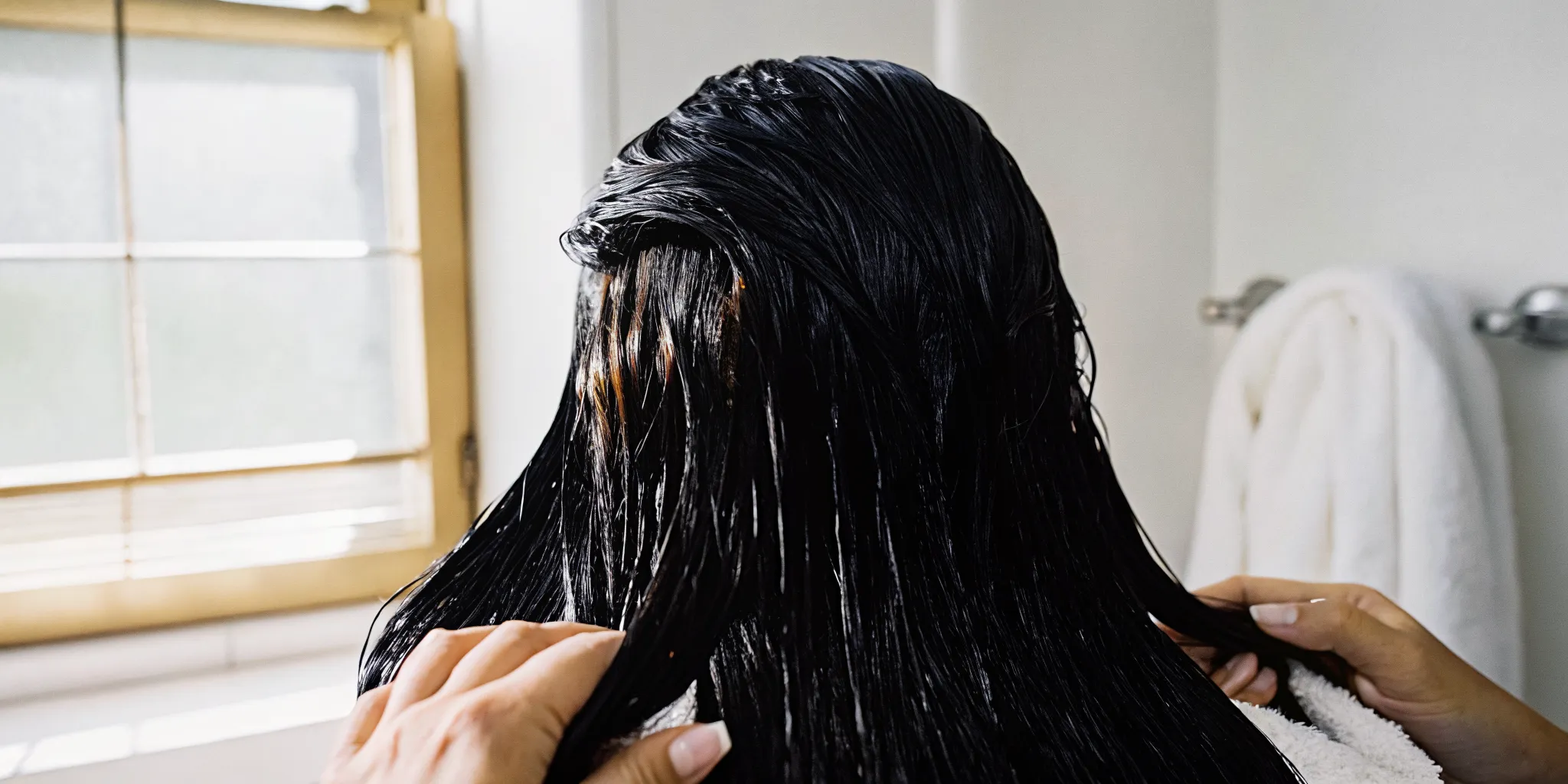
Keeping your gray coverage fresh goes beyond what happens at the shop. Daily habits can help your color last while supporting gray coverage damage prevention. These simple changes cost nothing but help protect each hair strand between your color visits.
- Wash with care. How you wash your hair impacts how long your color stays bright. Chemical dyes can impair the mechanical properties of your hair. To lower stress, use lukewarm water and finish with a cool rinse to help seal the hair. Put shampoo only on your scalp. Letting the suds run down instead of rubbing the ends helps you avoid stripping color from the most fragile parts of your hair. If your hair feels dry, coat your ends with conditioner before you use shampoo. This step creates a shield that protects old, porous hair from harsh soaps. Once you pass the first two or three days after a color, wash your hair only two or three times per week. Cutting back on wash days is one of the best damage prevention strategies you can use at home.
- Block out the sun and heat. Things like sun rays, heat, and hard water can make your color fade fast. To keep your gray coverage looking new, hide your hair from the sun and hot tools. Being in these elements can change the chemical substances and structure of the hair. Use a hat when you are out for a long time or use a heat spray before you dry your hair.
- Stop daily rubbing. Rubbing is a hidden cause of color loss and hair breaks. Rough towels and cotton pillowcases can pull at the hair, leading to frizz and dull looks. Moving to a soft towel or a silk pillowcase can help stop this damage. These small moves help keep your hair strong and keep your color looking good for a long time.
Frequently Asked Questions
How can I prevent hair damage from regular gray coverage?
To prevent damage, you must focus on both protection and repair. Use a science-backed post-color ritual to mend the hair cuticle and cortex. This helps stop the dry feel that comes from often touching up your roots. Avoid harsh clarifying shampoos that strip moisture and color. According to Naturcolor, things like UV rays and hot water also speed up fading and damage. Using lukewarm water and a cool rinse can keep your hair stronger between color sessions.
Why does gray hair feel more brittle after coloring?
Gray hair often has a coarse texture and a thin protective layer. Coloring for gray coverage often changes the physical structure of the hair shaft. This process can lead to a loss of natural oils and proteins. Research on PubMed shows that chemical dyes can weaken the physical strength and structure of hair. This makes it feel dry and prone to breakage. Using a treatment with keratin and plant peptides can help restore natural shine.
How long should I wait to wash my hair after a gray coverage treatment?
You should wait at least 48 to 72 hours before washing your hair after a color treatment. This window allows the color molecules to set inside the hair shaft. If you wash too soon, you risk stripping the color and leaving the cuticle open to damage. Once you do wash, use a sulfate-free shampoo and lukewarm water. According to Naturcolor, fresh color is at risk from hot water during this first period.
Can I safely color my gray roots every three weeks?
Coloring roots every three weeks is common for gray coverage, but it can lead to long-term damage. To do this safely, you must only apply dye to the new growth. Avoid pulling permanent color through your ends every time. You also need a deep repair treatment to mend the hair structure between visits. Research on PMC shows that repeated chemical treatments can cause hair structure to break down. Using a ritual that targets the cuticle and cortex can help maintain hair health.
Ready to protect your hair from gray coverage damage now?
Skipping a repair plan after you color will lead to dry and brittle hair, as each gray coverage treatment adds more new damage to your strands. Starting a ritual now is the best way to stop breakage, so you do not have to wait for your hair to feel weak or very dull. You can have both bold color and healthy hair when you choose to start this simple ritual today to protect your hair for the long term.
Ready to shop? Shop the Solanesse Post-Color Revitalizer to set up your new ritual. This simple step protects your hair and gives you the soft, clean feel you want for your hair every single day.


