


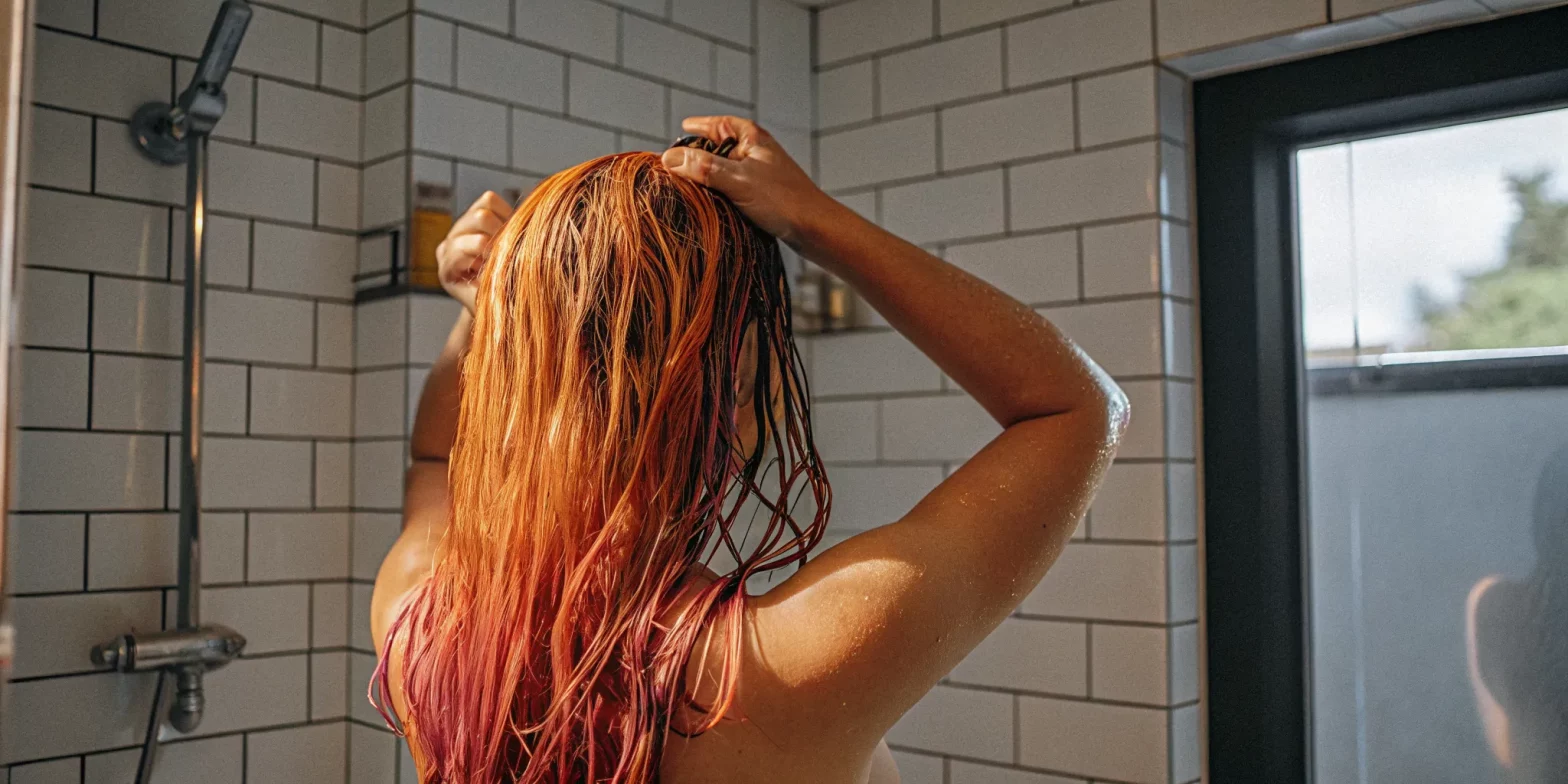
Freshly colored hair rarely fades because of one mistake. Water, washing, sunlight, heat, and the condition of the hair fiber all influence how quickly tone and shine change. That means lasting color requires more than swapping in a color-safe shampoo. A practical post-color hair routine can help you turn those principles into a consistent care schedule.
The most effective way to learn how to make hair color last longer is to reduce avoidable stress at every wash: use lukewarm or cool water, wash only as often as needed, limit UV and heat exposure, and support the hair’s structure with antioxidant-rich, deeply conditioning care.
These habits work together. A less porous, better-conditioned strand can hold onto pigment more effectively, while repeated exposure to heat, minerals, and environmental oxidation can gradually undermine color even when your cleanser is gentle. Start by understanding why some shades and hair types fade sooner than expected, then build a routine around the specific sources of loss your hair encounters.
Why Hair Color Fades Faster Than You Think
Hair color does not fade for one reason. It gradually loses vibrancy when water, heat, cleansing, oxidation, and the condition of the hair fiber work together. Understanding those mechanisms makes it easier to build a routine that protects both the shade and the structure underneath it.
The cuticle controls how well color stays put
The cuticle is the hair’s outer protective layer. When it is lifted by hot water, heat, chemical processing, or repeated wetting, the fiber becomes more vulnerable to pigment loss. Porosity matters here. Highly porous hair has more difficulty retaining dye, so color can look dull or uneven sooner than it does on a smoother, less porous fiber. In other words, structural hair health is part of color maintenance, not a separate concern.
The first few days after coloring deserve particular care. The cuticle needs time to settle after treatment, so wait at least 72 hours before your first wash. Washing immediately can encourage faster color loss before the shade has had time to stabilize. For more first-72-hour guidance, read how to prevent hair dye from fading. After that window, frequent shampooing remains one of the main causes of fade because each wash adds water, cleansing, friction, and rinsing to the equation. Color-safe shampoo essentials can help reduce unnecessary stress during cleansing.
Dye type and environment change the timeline
Not every color has the same expected lifespan. Permanent color generally lasts longer than semi-permanent or temporary color because the dye systems behave differently within the hair. Semi-permanent color may show its first signs of fading after only two or three washes and commonly lasts about two to six weeks. Depending on the formula, hair condition, and washing routine. Daily washing can shorten that timeline, while washing two or three times a week may help the color remain visible for four to six weeks.
Even with careful washing, environmental exposure contributes to gradual color loss. Sun, pollution, and oxygen-driven oxidation can shift tone and reduce shine over time. Porous or damaged hair is especially susceptible because its less uniform surface cannot hold pigment as securely. The most effective approach to making hair color last longer is therefore protective and restorative: limit avoidable exposure while keeping the fiber conditioned. Resilient, and better able to retain its color.
How Smart Washing Habits Make Hair Color Last Longer
The simplest way to protect freshly colored hair is to limit both heat and washing. Use lukewarm water to cleanse, finish with a cool rinse, and aim to wash no more than two or three times per week once your color has settled. These small changes reduce the repeated exposure that gradually lifts color from the hair fiber.
Choose lukewarm water, then rinse cool
Hot water opens the hair cuticle, which can allow dye molecules to escape more readily during cleansing. Cool water helps keep the cuticle closed and supports better color retention. While lukewarm water gives you a practical middle ground for washing without the stress of very hot temperatures. Colorists commonly recommend lukewarm or cool water for this reason.
You do not need to endure an icy shower. Keep the water comfortable while shampooing, then turn the temperature down for the final rinse. Apply conditioner through the lengths and ends, where color-treated hair often needs the most support, and rinse thoroughly.
Space out washes after the first 72 hours
Wait at least 72 hours after coloring before your first wash. This gives the cuticle time to close after the treatment and helps reduce early color loss. After that, washing two or three times weekly is a useful upper limit for many people, although your scalp needs and hair texture should guide the exact schedule.
Every wash removes a small amount of color, even when you use color-safe shampoo essentials. The combination of water, cleanser, friction, and rinsing gradually strips pigment, so reducing wash frequency can preserve vibrancy more effectively than simply changing shampoo. On non-wash days, dry shampoo can refresh the roots and extend your style between washes. Use it as a spacing tool, not a replacement for cleansing your scalp.
Wash schedule comparison for color retention
| Wash Frequency | Color Lifespan Estimate | Best For |
|---|---|---|
| Daily washing | 1-2 weeks | Very oily scalps; color fade is expected |
| 2-3 times per week | 4-6 weeks | Most color-treated hair types |
| Once per week | 6-8+ weeks | Dry or curly hair; maximum color retention |
If your hair becomes oily quickly, begin by adding one extra day between washes rather than forcing a dramatic change. A consistent two- to three-wash schedule, lukewarm cleansing, and a cool final rinse create a practical foundation for making hair color last longer.
The Role of Antioxidants in Color Retention
Oxidation is one of the less visible reasons color loses its clarity between salon visits. As hair is exposed to oxygen, sunlight, pollution, heat, and repeated washing, unstable molecules called free radicals can form around the hair fiber. These reactive molecules contribute to oxidative stress, which can weaken the chemical bonds and dye structures responsible for visible pigment. Protecting the fiber from that stress is an important part of understanding how to make hair color last longer.
Why oxidation matters for dyed hair
Antioxidants help by neutralizing free radicals before they can continue those damaging reactions. They do not recolor the hair, and they cannot reverse every cause of fading, but they can help reduce the oxidative load placed on color-treated strands. That distinction matters. A routine built only around washing less often may reduce water and cleanser exposure, while antioxidant care addresses another pathway: the daily environmental stress that happens between washes.
A study indexed by PubMed found that pomegranate peel extract, a potent antioxidant, helped reduce color change in dyed hair after washing by limiting oxidation. The same research reported that liposomal formulations supported color protection through both antioxidant activity and a film-forming effect on the hair fiber (PubMed research on pomegranate peel extract and hair-color protection).
How to use antioxidant care between color services
Look for antioxidant-rich ingredients in conditioners, masks, and post-color treatments rather than relying on shampoo labels alone. A conditioner can leave protective ingredients in contact with the fiber while it smooths and hydrates the cuticle. Solanesse’s clean, science-backed approach includes sunflower oil, an antioxidant-rich ingredient that helps provide protection while supporting hydration. The goal is not to overwhelm the hair with a long ingredient list. It is to choose a focused treatment that supports the fiber where color is most vulnerable.
The science-backed hair repair behind a post-color routine should therefore include more than surface softness. Antioxidant protection, moisture support, and a light protective film can work together to help pigment remain visually vibrant. Used consistently in a conditioner or treatment, this approach complements practical habits such as cooler rinsing and less frequent shampooing. Giving color-treated hair support throughout the full period between services.
UV Protection and Environmental Factors
Sunlight, pool water, and mineral-heavy water can all accelerate color fading, even when your washing routine is careful. UV rays can break down the bonds that hold dye molecules in the hair fiber, so repeated exposure gradually dulls the result. This process can continue through windows, making daily exposure relevant even when you are not spending the day outdoors.
Protect colored hair from sunlight
Use a hat or scarf when you will be outside for an extended period, particularly during strong midday sun. A hair product formulated with UV protection can add another layer of defense without requiring you to avoid normal outdoor activities. Apply it according to the product directions, concentrating on exposed lengths and ends. Our guide to protecting colored hair from the sun covers practical ways to build this into your routine.
Reduce chlorine exposure after swimming
Chlorinated water can compromise the integrity of colored hair and contribute to a faded, dry appearance. Before swimming, saturate the hair with clean water so it absorbs less pool water. A swim cap offers more complete protection. Afterward, rinse thoroughly with fresh water as soon as possible, then condition the lengths to restore slip and moisture. This simple rinse is especially useful when swimming is a regular part of your week.
Watch for hard water mineral buildup
Hard water contains minerals that can accumulate on the hair surface and alter the way color looks. Over time, this buildup may contribute to brassy tones, muted shine, or uneven-looking color. If your hair feels coated or your tone changes despite consistent care, water quality may be part of the problem. A filtered shower head can help reduce mineral exposure. Consider a clarifying or chelating treatment only as directed, since overuse can also leave color-treated hair feeling dry.
Managing these environmental stressors is an important part of how to make hair color last longer. The goal is not to eliminate sunlight or swimming, but to add targeted protection before exposure and a thorough rinse afterward.
How Hair Health Supports Lasting Color
Color does not live on the surface of healthy-looking hair. It is held within a hair fiber whose condition determines how well pigment stays in place. When repeated coloring, heat, or chemical stress leaves the cuticle lifted and the fiber porous, dye has less stable structure to occupy. Highly porous hair loses color more quickly because it cannot retain dye as effectively as healthier hair. Porosity is one reason color retention varies from one head of hair to another.
Bond-focused treatments can be useful after chemical services, but they are not the only way to support hair that feels stressed. The cuticle, cortex, and cell membrane complex all contribute to how the fiber feels and behaves. A conditioning treatment can help improve softness and manageability without replacing professional assessment when hair is severely breaking or compromised.
Solanesse Deep Conditioner Post-Color Revitalizer is designed as a post-color conditioning step for hair that feels dry, rough, or difficult to manage. Follow the product instructions and rinse thoroughly. Explore the full repair damaged hair after coloring recovery plan when structural damage, porosity, or breakage is the main concern.
Heat Styling and Product Selection for Color-Treated Hair
Heat styling can strip color from the hair fiber, leaving treated hair looking faded, dull, and less reflective. A heat protectant helps create a barrier between hot tools and the hair, reducing the damage that can accelerate color loss. If you’re learning how to make hair color last longer, managing heat exposure and reading ingredient labels should be part of the same routine.
Use heat strategically, not automatically
Allow hair to dry partially before reaching for a blow-dryer, and use the lowest temperature that creates the finish you want. Keep the tool moving rather than concentrating heat on one section, particularly through fragile lengths and ends. Always apply a heat protectant first. It cannot make high heat harmless, but it adds a protective layer that helps limit direct stress on the hair fiber. The recommendation to scale back heat styling and use a heat protectant is also supported by color-care guidance from eSalon.
Look beyond the words “color-safe”
A product labeled color-safe is a useful starting point, not a guarantee that the full formula suits your hair. Check the ingredient list for drying alcohols, which can remove moisture and make hair more porous. More porous hair tends to lose dye faster, and alcohol-based styling products can accelerate that cycle by leaving color-treated strands dry and more color-leaky.
Sulfates deserve the same scrutiny. These aggressive detergents can strip away oils and color faster, so choose sulfate-free cleansing and conditioning products whenever possible. A silicone-free formula can also be a considered choice for a clean, lightweight routine. The goal is not to avoid every unfamiliar ingredient, but to reduce ingredients that compromise moisture or encourage repeated stripping. For a closer look at formula differences, see our guide to color-safe shampoo essentials.
Choose conditioning support that preserves moisture
Color-treated hair needs enough conditioning to keep the cuticle smooth and the fiber resilient between washes. Solanesse’s Deep Conditioner Post-Color Revitalizer uses a sulfate-free, silicone-free approach designed for post-color care. Apply it where the hair is most vulnerable, especially from the mid-lengths through the ends, and adjust frequency to your hair’s level of dryness. Pairing gentle product selection with lower heat exposure gives color-treated hair a better chance to stay hydrated, smooth, and vibrant.
Frequently Asked Questions
How do I keep my hair color from fading so fast?
Reduce the amount of washing, use lukewarm or cool water, and condition after cleansing. Choose color-safe products, limit heat styling, and protect your hair from strong sun and chlorinated water. These steps reduce repeated exposure to the heat, cleansing, and environmental stressors that can make color look dull.
How often should I wash my hair to make color last?
Wash only when your scalp and hair need it rather than following a fixed daily schedule. Skipping a wash day reduces water and shampoo exposure, while dry shampoo can help refresh the roots between washes. Your ideal frequency depends on scalp oil, texture, activity, and styling habits.
What water temperature is best for color-treated hair?
Use lukewarm water for cleansing and finish with a cooler rinse if comfortable. Hot water can open the cuticle and contribute to faster fading, while cooler water helps keep the cuticle more closed. If your home has hard water, mineral buildup may also affect color or tone, so a filtered shower head can be worth considering.
Can repairing damaged hair help color last longer?
Yes. Highly porous hair has more difficulty retaining dye, so improving its condition can support better color retention. Regular deep conditioning and bond-building treatments help maintain the hair fiber, while minimizing unnecessary heat protects that progress. If you swim, protect your hair before entering chlorinated water.
Do antioxidants protect colored hair from fading?
They may help reduce oxidative color change. A study of pomegranate peel extract found antioxidant and film-forming formulations provided color protection on hair fibers after washing. This supports using antioxidant-focused care as one part of a broader routine, alongside gentle cleansing, hydration, and environmental protection. Read the study.
Keep Your Color Vibrant With Science-Backed Care
Preserving your hair color starts with how you treat your hair between salon visits. For a focused post-color conditioning step, try the Deep Conditioner Post-Color Revitalizer. Use it as directed to support softness, manageability, and a polished appearance between color services.


