



Chemical color, bleaching, relaxing, and repeated heat styling can leave hair rough, porous, fragile, and difficult to detangle. The best response is rarely one miracle product. It is a routine that gives each product a defined job, from gentle cleansing and structural support to conditioning and heat protection.
Shop the Solanesse Deep Conditioner
The best products for chemically damaged hair work in layers: a gentle shampoo for cleansing, a bond or protein treatment for weakened fibers, a deep conditioner for moisture and slip, and a leave-in or heat protectant for styling. Solanesse fits into the post-color rinse-out conditioning step. Apply it to warm, damp hair, leave it on for 10 to 15 minutes, and rinse thoroughly.
Color processing can affect the cuticle, cortex, and cell membrane complex, so visible softness does not mean every part of the fiber has recovered. A thoughtful routine manages existing damage while reducing friction and new stress. This guide compares the main product categories, explains how to layer them, and shows where a post-color deep conditioner belongs.
What Are the Best Products for Chemically Damaged Hair?
The best products for chemically damaged hair are a coordinated group, not a single formula. Start with a gentle shampoo, then add structural support when strands feel weak. Use a deep conditioner for softness and manageability. Protect the hair during detangling and heat styling. A lightweight oil or lipid-support product may finish the routine when porous lengths need extra surface smoothness.
Each category addresses a different part of the care problem. Shampoo cleans the scalp without asking a rich treatment to do that job. Protein or bond-focused products support weakened fibers. Deep conditioners improve slip and the feel of the cuticle. Leave-in products and heat protectants help limit mechanical and thermal stress between washes.
Chemical services can change the physical structure and composition of the hair shaft. Research reviews describe effects on treated hair, including changes in the cuticle, cortex, strength, and elasticity. Read this review of hair dyes and perms and this analysis of chemically treated hair for technical context. For scalp-conscious cleansing, Mayo Clinic Press also discusses shampoo ingredients and scalp health.
| Category | Primary purpose | What to look for | Routine placement |
|---|---|---|---|
| Gentle shampoo | Clean the scalp and lengths without unnecessary stripping. | A mild formula that suits your scalp and washing frequency. | First step on wash day. |
| Bond or protein treatment | Support weakened hair structure and resilience. | Proteins, hydrolyzed keratin, amino acids, or bond-focused ingredients used as directed. | Targeted treatment, not the whole routine. |
| Deep conditioner | Improve softness, moisture, slip, and surface smoothness. | Conditioning agents, humectants, compatible proteins, or lipids. | Rinse-out step after cleansing. |
| Leave-in or heat protectant | Improve manageability and reduce styling stress. | Light conditioning and heat-support claims suited to your routine. | After washing, before detangling or heat. |
| Lightweight oil or lipid support | Reduce surface friction and add a smoother finish. | A light oil used sparingly on lengths and ends. | After conditioning or on dry ends as needed. |
Pair structural support with conditioning
Protein or bond-focused treatments can be useful when hair feels weak, but they should sit inside a broader routine. Chemically treated hair may absorb water more readily and become harder to detangle. A deep conditioner adds slip and temporarily smooths the cuticle, which can reduce friction during brushing and styling.
Use the response of your hair to guide the balance. If strands feel weak and lack resilience, a structural-support product may deserve attention. If they feel rough, dry, or tangled, conditioning and lipid support may be more useful. For ingredient-conscious selection, compare this paraben-free hair mask guide with the guide to a conditioner for color-treated hair.
Protect the fiber between washes
A leave-in product can make detangling more manageable. A heat protectant belongs in the routine when you use a dryer, iron, or another hot tool. A small amount of lightweight oil can help reduce the feel of friction on dry ends. These steps support handling and styling. They do not replace the rinse-out treatment or erase existing damage.
Why Chemical Damage Needs More Than One Repair Category
Chemical damage affects a connected system, so one product cannot address every part of the hair fiber. Color, bleach, relaxing, and repeated processing can roughen the cuticle, alter the cortex, and disrupt the cell membrane complex. A layered routine is more practical because each category supports a different job while conditioning manages how the hair feels and behaves.
The cuticle is the outer layer of overlapping scales. It helps protect the cortex, the inner region associated with much of the hair’s strength, elasticity, and color. When processing lifts or roughens the cuticle, the surface can create more friction. Hair may feel coarse, look dull, tangle more easily, and lose moisture more quickly.
The cell membrane complex, or CMC, sits between parts of the hair fiber and contributes to cohesion. Chemical processing can disrupt this area and remove some natural lipids. A whole-structure view therefore considers the cuticle, cortex, and CMC together instead of treating visible frizz as the entire problem. Solanesse explains this perspective in its science and ingredients overview.
Porosity describes how readily hair takes in and releases water. Damaged hair often absorbs water more easily, so the fiber can swell and experience additional stress as it dries and is handled. That does not mean every porous strand needs the same formula. It does explain why one product may improve slip while another feels heavy.
Roughness and elasticity are useful observations. Roughness reflects a less-smooth surface and often brings more friction and tangling. Elasticity describes how the fiber stretches and returns toward its original shape. If hair stretches unusually, snaps, or breaks during ordinary care, pause additional processing and ask a qualified stylist to assess it.
How Do You Layer Products for Chemically Damaged Hair?
Layer products by function, moving from cleansing to targeted treatment, conditioning, protection, and light finishing. This order keeps each formula in a clear role and avoids placing several heavy treatments on the strand at once. Adjust the frequency to your hair’s response and follow each product label.
A practical wash-day sequence is:
- Cleanse gently. Apply shampoo mainly to the scalp and let the lather move through the lengths as you rinse. Choose a cleanser that suits your scalp rather than assuming stronger cleansing is better for processed hair.
- Apply targeted structural support when needed. Use a protein or bond-focused treatment when your hair feels weak or lacks resilience. Use it according to the label and avoid adding several intensive treatments at once.
- Condition deeply. Distribute a rinse-out deep conditioner through warm, damp lengths. Concentrate richer formulas on the mid-lengths and ends if your hair is fine or easily weighed down.
- Rinse thoroughly. Remove the rinse-out product before applying leave-in products. Follow the product’s water-temperature and removal directions.
- Protect before styling. Apply a leave-in or heat protectant before detangling or using hot tools. Handle wet hair gently and work through knots instead of pulling.
- Finish lightly. Use a small amount of oil or another lipid-support product on the lengths or ends when they need more surface smoothness.
Frequency depends on texture, porosity, chemical history, and the formulas involved. A treatment that leaves hair flexible and manageable may fit your routine. One that makes it stiff, coated, or heavy may need less frequent use or a different role. Track feel, elasticity, breakage, and manageability after washing instead of adding products automatically.
For a more focused recovery sequence, read this guide to repairing damaged hair after coloring. This article stays focused on product roles and routine layering, while the linked guide addresses the broader recovery process.
When Should You Use a Deep Conditioner?
Use a deep conditioner after cleansing when hair feels dry, rough, porous, or harder to detangle than usual. It is especially useful as the rinse-out conditioning step after a color service, when the fiber may need more slip and surface softness. A deep conditioner cannot permanently reverse damage in the grown fiber, but it can temporarily improve feel, manageability, and the appearance of smoothness.
Place the product after shampoo and before your final rinse. Distribute it through warm, damp hair, then leave it on for the time stated on the label. Keep it separate from leave-in conditioner and heat protectant, which belong after rinsing. If your hair is fine, apply more product to the mid-lengths and ends than to the roots.
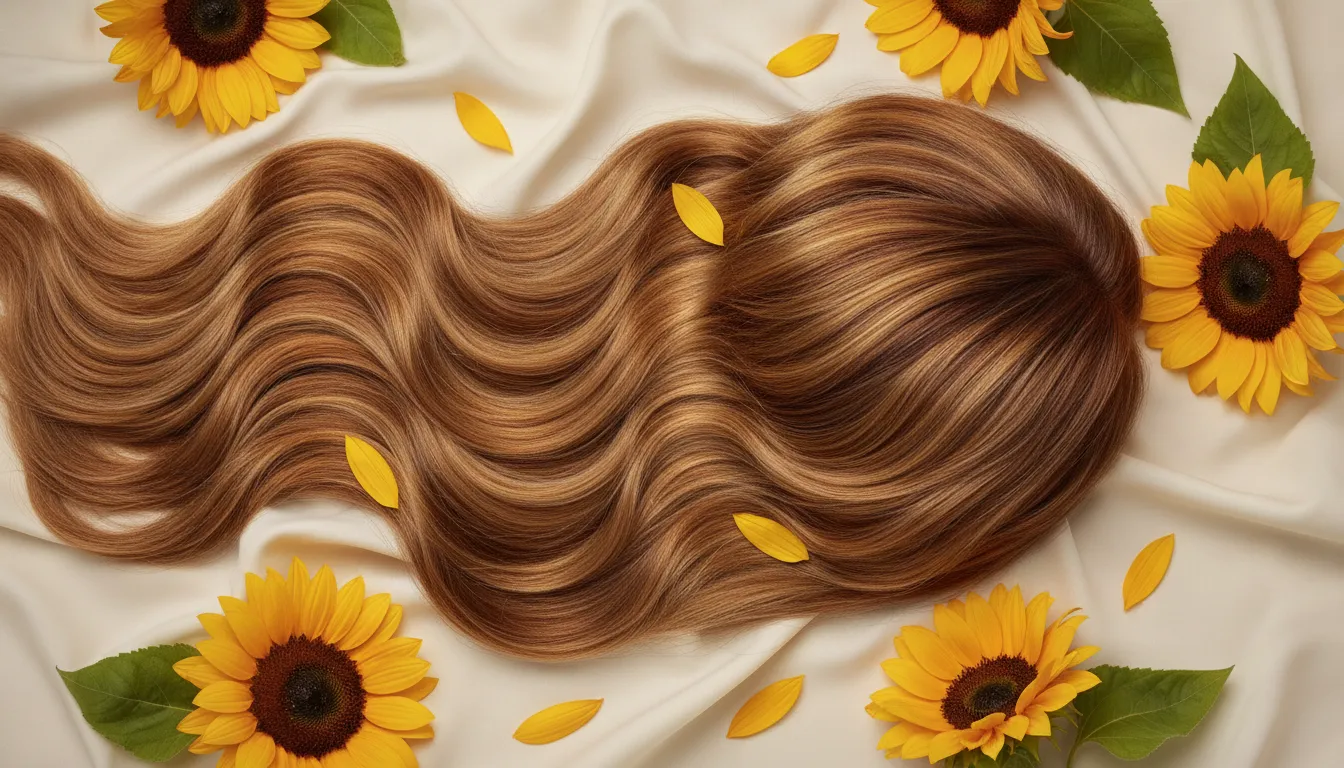
Solanesse Deep Conditioner – Post Color Revitalizer is designed for this post-color placement. Apply it to warm, damp hair from root to tip, leave it on for 10 to 15 minutes, and rinse with warm water. The product information identifies hydrolyzed keratin, hydrolyzed soy protein, rice amino acids, sunflower seed oil, and conditioning agents. It also describes the formula as free from sulfates, parabens, silicones, and phthalates.
Choose a deep conditioner by the response you want to support. Hair that feels weak or lacks elasticity may benefit from a formula with protein or peptide ingredients. Hair that feels dry, rough, or tangled may need more moisture, emollience, or lipid support. Chemically treated hair can need both, but balance matters. Read this deep-conditioning treatment guide for additional selection context.
How Do the Best Products for Chemically Damaged Hair Fit Different Needs?
The best products for chemically damaged hair depend on what changed in the fiber and what you need to manage next. A person with freshly bleached hair and a rough surface may prioritize gentle cleansing, conditioning, and heat reduction. Someone with recurring breakage may need professional input plus carefully spaced structural support. Someone with dry, color-treated lengths may place more emphasis on slip and lipid support.
For color-treated or bleached hair
Prioritize a gentle cleanser, a rinse-out conditioner with enough slip for safe detangling, and a heat protectant if you style with heat. A post-color deep conditioner can be the treatment anchor on wash day. If blonde hair is also your concern, compare this article with the guide to the best deep conditioner for bleached hair.
For relaxed or chemically straightened hair
Focus on reducing friction and handling stress. Use products that leave the hair manageable rather than layering every strengthening formula at once. Follow the advice of the professional who performs your service, especially when the hair is breaking, the scalp is irritated, or another chemical service is being considered.
For hair that feels weak or brittle
Consider whether the hair needs structural support, conditioning, or both. Stiffness after treatment is a signal to reassess frequency, not necessarily to add a second intensive product. If breakage is active, use the dedicated brittle-hair treatment guide and seek a stylist’s assessment before further processing.
For hair that feels dry, rough, or tangled
Look for slip, emollience, and a manageable finish. Condition before detangling and use a gentle tool with less force. A lightweight oil may help the ends feel smoother, but it should complement rather than replace a rinse-out conditioner.
Where Solanesse Fits in a Chemically Damaged Hair Routine
Solanesse belongs in one specific place: the post-color, rinse-out conditioning step. It is not a shampoo, leave-in conditioner, heat protectant, or substitute for guidance from a qualified hair professional. That distinction keeps the routine practical and prevents one product from being asked to address every effect of coloring, bleaching, relaxing, or repeated processing.
After a color treatment, apply the Solanesse Post Color Revitalizer to warm, damp hair. Massage it from root to tip, leave it on for 10 to 15 minutes, and rinse with warm water. The product directions describe weekly use or use as needed for maintenance. Follow the label and adjust the rest of your routine to your hair’s condition.
The formula combines keratin, collagen, peptides, sunflower oil, and conditioning ingredients. In a routine, those components support a conditioning approach that considers more than the feel of the outer surface. Solanesse’s whole-structure explanation describes care for the cuticle, support for the cortex, and attention to lipids associated with the cell membrane complex. Those are areas of care, not a promise that a cosmetic product can restore permanently damaged fiber.
A deep conditioner can improve softness, manageability, and the appearance of shine while other steps handle cleansing, detangling, and heat exposure. If hair feels fragile, stretches unusually, or breaks during routine care, a stylist can help evaluate the fiber. A cosmetic treatment should complement that advice, not replace it.
How Can You Prevent New Damage Between Chemical Services?
Repair products matter, but preventing additional stress gives chemically treated hair a better chance to remain manageable. The goal is not a rigid schedule. It is to reduce avoidable friction, high heat, harsh cleansing, and repeated chemical exposure while keeping a consistent maintenance routine.
Use less high heat
High-heat styling can add stress to hair that is already sensitized. Keep hot tools to the minimum that works for your style and use a heat protectant according to its directions. The Allure guide to damaged hair also discusses reducing high-heat exposure as part of damage management.
Detangle with less force
Chemically damaged hair may have a rougher surface, which can increase friction and tangling. Work patiently with a gentle detangling tool, avoid pulling through knots, and handle wet hair carefully. Conditioning can add slip, but it cannot make forceful detangling harmless.
Keep cleansing scalp-aware
Choose a cleanser that suits your scalp and avoid assuming that stronger cleansing is better for processed lengths. If a product causes irritation, stop using it and seek professional guidance. For more on the first wash after color, read the first-wash guide.
Choose the next chemical service carefully
Ask your colorist or stylist whether your hair is ready for another service. Research on chemical hair treatments describes damage as cumulative, so allowing the fiber to recover between appointments is a sensible part of damage management. Do not add a fixed interval without considering your hair’s condition, the service performed, and your professional’s assessment.
Maintain the layers that suit your hair instead of waiting for roughness or breakage to become severe. A rinse-out deep conditioner supports softness and manageability, while a leave-in and heat protectant address different daily needs. For a broader color-repair sequence, see how to repair damaged hair after coloring.
Explore the Solanesse post-color treatment
Frequently Asked Questions About Chemically Damaged Hair
What are the best products for chemically damaged hair?
Choose products by function: a gentle shampoo for cleansing, a protein or bond-focused treatment for weakened strands, a deep conditioner for moisture and slip, and a leave-in or heat protectant for styling. Add a lightweight oil only when the lengths need more surface smoothness. The right combination depends on porosity, texture, chemical history, and how the hair responds.
Can chemically damaged hair be repaired?
Existing chemical damage cannot be erased in one wash or permanently reversed in the grown fiber. Conditioning can temporarily smooth the cuticle and improve softness, manageability, and the appearance of shine. A consistent routine can also reduce additional mechanical stress. If hair is snapping or breakage is severe, pause further processing and ask a qualified stylist for an assessment.
How often should you use hair repair treatments?
Use each treatment according to its label and your hair’s response. Solanesse directions recommend leaving the rinse-out treatment on for 10 to 15 minutes and using it weekly or as needed after color treatment. If hair feels coated, heavy, or unusually stiff, reduce intensive products and reassess the balance between reinforcement and hydration.
How do you layer products for damaged hair?
Start with shampoo, then apply a rinse-out treatment to warm, damp hair and rinse it thoroughly. Follow with a leave-in conditioner or heat protectant before styling. Use a small amount of lightweight oil last if the lengths need extra softness or shine. Keep the sequence simple and adjust frequency before adding more formulas.
Build Your Post-Color Repair Ritual
A considered routine gives each product a clear role. After a color service, use a rinse-out deep conditioner as the dedicated conditioning step, then return to your usual leave-in and heat-protection routine as needed. Solanesse is designed for this post-color placement. Apply it to warm, damp hair from root to tip, leave it on for 10 to 15 minutes, and rinse with warm water.
Keep the rest of your routine simple, consistent, and responsive to your hair’s condition. Reduce unnecessary heat and friction, follow product directions, and involve a stylist when breakage or scalp discomfort persists.


