


Color can transform your look, but repeated chemical processing also changes how the hair fiber handles moisture, friction, and heat. Even one dyeing session may cause noticeable damage, while the effects can increase with repeated treatments, especially three or more consecutive sessions. That is why a thoughtful routine should focus less on chasing instant repair and more on reducing stress while improving the hair’s feel, flexibility, and appearance.
Shop the Solanesse Deep Conditioner – Post Color Revitalizer.
The most supportive approach to how to repair color damaged hair at home is a consistent weekly sequence: cleanse gently, condition thoroughly, detangle with care, dry with minimal friction, and limit high heat. A post-color treatment can add targeted conditioning support, but it works best as part of this broader routine.
Before choosing products or adjusting wash day, it helps to understand what processing changes inside the fiber. The cuticle, cortex, and medulla each contribute to the hair’s structure, and knowing their roles makes the rest of the ritual more precise.
What Does Color Processing Do to the Hair Fiber?
To understand how to repair color damaged hair at home, it helps to look beneath the surface. A strand is built in three main layers: the cuticle, cortex, and medulla. The cuticle is the outer protective layer, formed by overlapping cells that help regulate movement into and out of the cortex. The cortex provides much of the strand’s strength, shape, and elasticity. The medulla is the innermost layer and may be less prominent or absent in finer hair types.
The cuticle controls access to the inner fiber
Color processing is designed to change the hair’s chemistry. To deposit or alter pigment, the process can disturb the cuticle and affect the conditions inside the cortex. Once the cuticle is roughened or less cohesive, the strand may feel less smooth, catch more easily during detangling, and lose water more readily. These changes can also make the surface reflect light less evenly, which contributes to a duller-looking finish.

The cortex carries the impact of repeated processing
Research describes chemical dyes as affecting hair morphology, physical structure, and protein composition. Even one dyeing session can cause noticeable harm, while the effects can escalate when hair undergoes three or more consecutive treatments. That does not mean every color service produces the same result. Hair history, lightening intensity, timing, and handling all influence how a fiber responds.
Bleaching and dyeing can also impair protein structure and accelerate the loss of water and lipids. In practical terms, the fiber may become more fragile, prone to breakage, and less able to retain moisture. Color can fade faster when the surface and inner structure are under repeated stress. Studies of damaged hair have examined approaches that help preserve moisture and lipids, but no single ingredient reverses every type of chemical damage.
Why the care goal changes over time
Freshly colored hair may need immediate protection from friction and moisture loss. Hair that has been processed repeatedly needs a more conservative goal: support the fiber. Improve the feel of the cuticle, reduce avoidable stress, and maintain the healthiest length possible. That is the thinking behind how Solanesse approaches hair structure, with care considered across the cuticle, cortex, and cell membrane complex rather than through a single repair claim.
What Are the Signs of Overprocessed, Color-Damaged Hair?
Color-damaged hair does not look or feel the same for everyone. The most useful approach is to treat changes in texture and behavior as signals that your routine may need less stress and more support, not as a diagnosis.
- Rough or straw-like texture: Hair may feel coarse, stiff, or less smooth when you slide your fingers along the strand. A straw-like feel is a commonly reported sign after chemical damage, and it can indicate that the surface needs gentler handling and conditioning.
- Persistent dryness: If your hair still feels dry shortly after conditioning, especially through the mid-lengths and ends. Reduce practices that strip moisture and review how often you use heat or chemical services.
- Tangling and increased frizz: Frequent knots, flyaways, and a halo of frizz can make hair harder to manage. These changes often become more noticeable when the outer cuticle is less smooth, so friction during washing, drying, and brushing matters.
- Dullness: Color-treated hair that has lost its usual shine may be reflecting light less evenly. Dullness alone does not prove damage, but paired with roughness or dryness, it is a useful reason to simplify your routine.
- Breakage: Short pieces around the hairline, more shedding of snapped strands, or ends that feel increasingly thin suggest that the fiber is not tolerating current stress well. Pause additional chemical processing while you reassess care.
- Gummy or overly elastic strands: Hair that stretches unusually far when wet and does not return to its usual feel can be especially fragile. Handle it gently while wet, avoid aggressive detangling, and limit high heat.
These signs can overlap with other hair or scalp concerns, and they cannot identify a single cause on their own. If you have severe breakage, scalp pain, blistering, or signs of a chemical burn, stop the service and seek prompt advice from a qualified stylist or dermatologist. For milder changes, a lower-friction, lower-heat routine can help you observe whether manageability improves over time. If elasticity and shine are your main concerns, explore this guide on restoring elasticity and shine to color-treated hair.
How to Repair Color Damaged Hair at Home Without Overloading the Hair
The most effective home routine is not the longest one. Color-treated hair benefits from a calm sequence that reduces friction, adds targeted conditioning, and limits new stress. Chemical treatments can affect the hair fiber’s structure and accelerate moisture and lipid loss, which may contribute to fragility, breakage, and faster fading. Research on the effects of hair dye also suggests that damage can become more pronounced with repeated treatments. Your goal is to support the feel and manageability of the existing fiber while protecting it from avoidable strain.
- Cleanse gently. Start with lukewarm water and a color-conscious cleanser. Concentrate the lather at the scalp, then let it rinse through the lengths rather than aggressively scrubbing the ends. If your hair is dry or highly porous, cleansing too often can make the fiber feel rougher. Choose a frequency that keeps the scalp comfortable without washing automatically every day.
- Condition the lengths and ends. Apply conditioner from mid-length to ends, where dryness and tangling are usually most noticeable. Once a week, consider a focused deep-conditioning session instead of layering several masks, oils, and leave-ins at once. A deep conditioning treatment for color-damaged hair can be one useful part of a restrained routine. Treat it as supportive care that improves softness and manageability, not as a promise to reverse every type of damage.
- Detangle from the ends upward. While the conditioner is still providing slip, separate knots at the tips first and work gradually toward the roots. Use your fingers or a wide-tooth comb, and avoid pulling through a compacted knot. Wet hair is especially vulnerable to stretching, so slow, light pressure is more protective than repeated brushing.
- Dry with low friction. Press water out with a soft towel or clean cotton fabric instead of twisting or rough rubbing. Blot and wrap briefly, then allow the hair to air-dry when practical. This small change helps reduce mechanical stress while the cuticle is still wet and more susceptible to handling damage.
- Reduce heat and use it deliberately. Let hair become partly dry before using a blow-dryer, keep the temperature moderate, and apply a heat protectant. Limit flat-iron or curling-iron passes, especially on fragile ends. If the hair feels gummy, snaps easily, or stretches unusually far when wet, pause high-heat styling and consider professional guidance.
- Repeat consistently, not aggressively. Keep the basic sequence on wash days and reserve intensive conditioning for a sensible weekly rhythm. If hair becomes coated, limp, or harder to rinse, simplify rather than adding another repair product. A repeatable routine gives you a clearer view of changes in softness, elasticity, tangling, and breakage over time.
How to Repair Color Damaged Hair at Home on Wash Day
A consistent wash day can help reduce the everyday stress that leaves color-treated hair feeling dry, rough, or difficult to manage. The goal is not to add a complicated product stack. It is to keep cleansing gentle, restore softness with regular conditioning, and limit friction while the hair is most vulnerable.
1. Cleanse without overworking the lengths
Choose a color-safe cleanser and concentrate it at the scalp, where oil and buildup collect. Let the lather rinse through the lengths rather than scrubbing them directly. Use comfortably warm water, then rinse thoroughly. Very hot water can make the hair feel drier and may add unnecessary stress to already porous strands.
2. Condition, then detangle with patience
Apply a deep conditioner through the mid-lengths and ends, where color-related dryness and tangling are often most noticeable. A weekly conditioning step can support a smoother feel and easier handling. For bleaching-specific conditioning guidance, see the best deep conditioner for bleached hair. Leave the Solanesse post-color treatment on for 10-15 minutes as a single-step weekly ritual, then rinse according to the product directions.
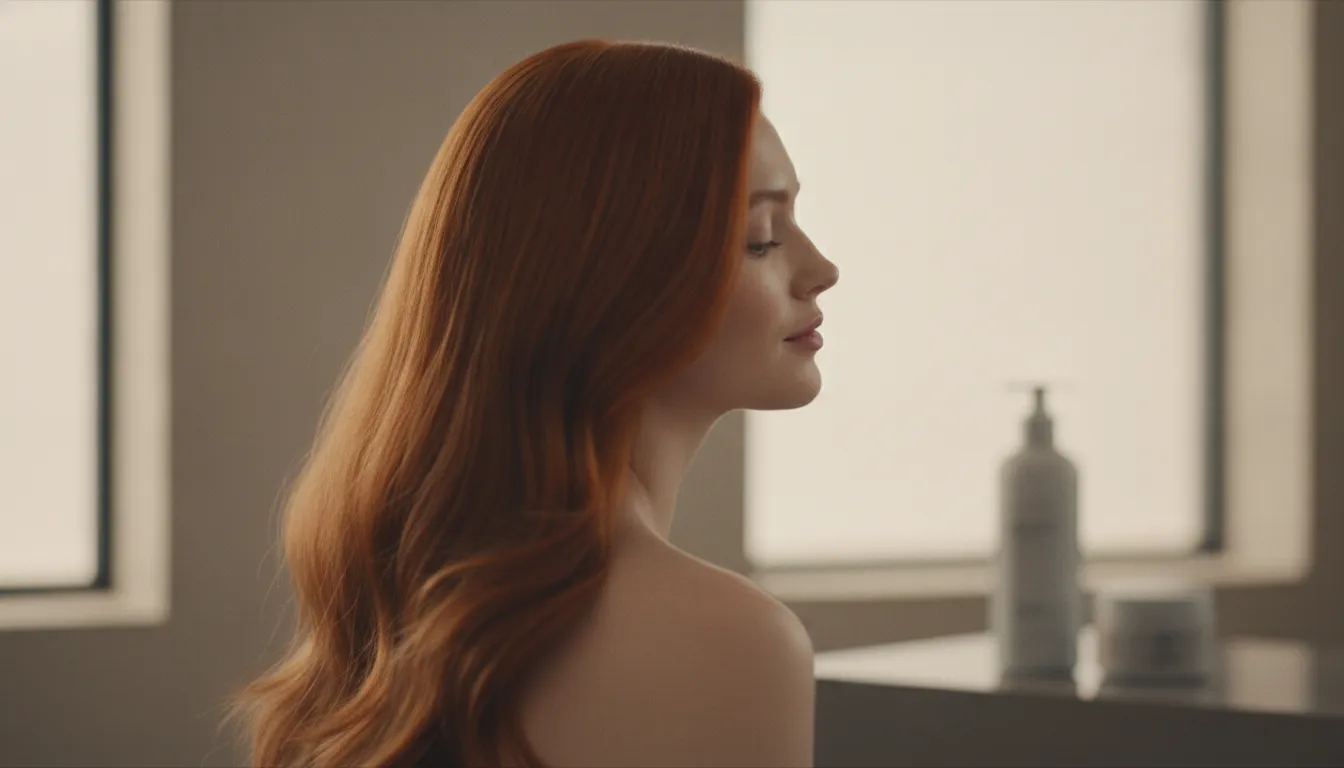
Detangle while the hair is wet and coated with conditioner. Use your fingers or a wide-tooth comb, beginning at the ends and working upward in small sections. If a knot resists, add more conditioner and loosen it rather than pulling through it. This approach helps reduce avoidable breakage during wash day.
| Choose | Limit |
|---|---|
| Color-safe cleansing focused on the scalp. | Repeatedly scrubbing or shampooing the dry lengths. |
| Weekly deep conditioning for softness and manageability. | Skipping conditioning when the hair feels brittle or tangled. |
| Wet detangling from the ends upward. | Pulling a brush through knots from the roots down. |
| Blotting gently and air-drying when practical. | Rubbing with a towel or applying high heat to dripping-wet hair. |
| Cool or low heat with heat protectant. | Frequent high-heat styling without protection. |
3. Dry with less friction and heat
Press excess water out with a soft towel or T-shirt instead of rubbing. Allow the hair to air-dry when possible. When you use a dryer, choose a low or cool setting, keep it moving, and apply heat protection first. For a broader approach to maintaining suppleness, see these tips on restoring elasticity and shine to color-treated hair.
How Does the Solanesse Post-Color Repair Ritual Fit In?
After a gentle cleanse, a focused treatment can give color-treated hair a consistent moment of care without turning wash day into a complicated product stack. The Deep Conditioner – Post Color Revitalizer is designed for women who color regularly and want supportive care for dryness, roughness, reduced elasticity, and a less polished feel.
Keep the midweek ritual simple with Solanesse.
Use it as a single-step treatment on clean, damp hair. Apply through the lengths and ends, allow it to sit for 10 to 15 minutes, then rinse thoroughly. This short pause gives the formula a defined place in a weekly ritual, particularly when hair feels more porous or difficult to detangle after color services. Follow the product directions and adjust frequency to your hair’s condition and your stylist’s guidance.
Shop the Post-Color Repair Ritual
Why complete-structure care matters
Solanesse frames post-color support across the cuticle, cortex, and cell membrane complex, rather than focusing only on disulfide bonds. The cuticle is the hair’s outer protective layer, while the cortex contributes much of the strand’s strength and elasticity. The cell membrane complex helps bind structural regions within the fiber. Color processing can affect hair morphology, protein structure, moisture, and lipids, so a complete-structure approach reflects the broader needs of treated hair. Learn more about how Solanesse approaches hair structure.
A clean, practical weekly option
The formula’s approved ingredient positioning includes keratin, collagen, peptides, sunflower oil, bergamot, and vanilla. Solanesse also describes it as free from sulfates, parabens, silicones, and phthalates. These details describe the formula’s clean-positioning framework, not a promise that any one ingredient independently repairs a specific hair layer. The useful test is whether a repeatable treatment helps your hair feel more manageable, conditioned, and resilient over time.
Think of the ritual as supportive maintenance, not a guaranteed cure for every form of damage. If strands are snapping extensively, feel unusually elastic when wet, or show severe breakage, pause additional chemical stress and consult a qualified stylist or dermatologist. A consistent home routine can support healthier-feeling hair, while professional assessment helps address damage that conditioning alone cannot resolve.
How Do You Protect Color-Damaged Hair Between Treatments?
The days between treatments shape how your hair feels over time. The goal is not to add more products at every sign of dryness. It is to reduce repeated stress while giving the cuticle and cortex a gentler environment to retain moisture and stay manageable.
Lower the daily sources of stress
Whenever possible, avoid overlapping chemical services or repeatedly processing lengths that are already colored. Talk with your stylist about applying color only where it is needed, especially when refreshing roots. Between appointments, use a heat protectant and choose the lowest setting that can complete the style. Allow hair to dry partially before using a hot tool, and avoid passing over the same section repeatedly.
Wet hair is more vulnerable to stretching and snapping. Detangle slowly from the ends upward with a wide-tooth comb or a flexible brush, working in small sections rather than pulling through knots. Blot with a soft towel or a cotton T-shirt instead of rough-drying. At night, reduce friction with a smooth pillowcase and a loose style that does not strain the hairline.
Protect the color you already have
Unnecessary exposure can make color look dull and leave treated hair feeling drier. Limit prolonged sun and high-heat exposure when practical, and follow your stylist’s advice on cleansing frequency and color-safe care. Consistency matters more than a complicated routine. If your hair feels unusually rough, tangles more often, or begins breaking, scale back heat and chemical stress rather than trying to compensate with aggressive brushing.
Know what a trim can and cannot do
Trim visibly split ends when they begin traveling upward or catching on neighboring strands. A conditioner or treatment can improve slip and the feel of the hair, but an existing split end cannot be permanently fused at home. Removing the damaged tip is the reliable way to prevent that split from continuing through the length.
Track how your hair feels for several weeks: softness after washing, ease of detangling, resilience when styling, and the amount of breakage you notice. For more guidance on how to restore elasticity and shine to color-treated hair, use those observations to refine your routine or decide when professional advice is appropriate.
Frequently Asked Questions
How long does it take to improve color-damaged hair?
There is no universal repair timeline. Hair that feels dry or rough may feel more manageable after a consistent conditioning routine, while visible breakage and split ends require prevention and, often, a trim. Track softness, tangling, elasticity, and breakage over several weeks rather than expecting one treatment to reverse every sign of damage.
Should I use a deep-conditioning mask every week?
Weekly deep conditioning can support dry, brittle, color-treated hair when it is paired with gentle cleansing and careful detangling. Apply the treatment as directed, focus on the lengths and ends, and adjust the frequency if the hair feels coated, limp, or difficult to style. Solanesse positions its post-color treatment as a 10-15 minute, single-step ritual intended for weekly use.
Can I use heat tools on color-damaged hair?
You can reduce additional stress by limiting heat, applying a heat protectant, and choosing the lowest effective temperature. Let hair dry partially before styling, avoid repeated passes over the same section, and postpone heat styling when the strand feels unusually fragile or stretches excessively when wet.
Can damaged ends be repaired permanently at home?
Home care can improve the feel, smoothness, and manageability of damaged lengths, but it cannot permanently rejoin a split end or restore every compromised fiber. Trim visibly split ends, handle wet hair gently, and maintain conditioning between color services. Chemical treatments can accelerate moisture and lipid loss, which is associated with fragility and breakage, so reducing repeated stress remains central to the routine. Read the research on chemical treatment effects.
Get Started With a Consistent Post-Color Ritual
Color-damaged hair often benefits from a routine that is gentle, repeatable, and easy to maintain at home. The Solanesse Deep Conditioner – Post Color Revitalizer can be a focused weekly step alongside careful cleansing, detangling, and lower-heat styling. Explore the Deep Conditioner – Post Color Revitalizer, then make it part of your consistent post-color repair ritual.


