


How does hair dye work? Hair dye changes the appearance of hair in two main ways. It can deposit colored molecules on or near the fiber surface, or use an alkaline mixture and an oxidizer to move color precursors into the cortex, where they react into larger colored molecules. The deeper and more chemically active the process, the greater its potential to alter the hair fiber.
SHOP DEEP CONDITIONER POST COLOR REVITALIZER
The important distinction is that color change and hair repair are not the same thing. Dye can create a new shade, while the same chemical conditions that help color penetrate can change the cuticle surface, remove some of the fiber’s protective lipids, or affect the cortex. Understanding that sequence makes it easier to choose a color service and build a sensible post-color conditioning ritual.
How does hair dye work inside the hair fiber?
Short answer: Hair dye works by bringing color molecules or color-forming ingredients into contact with the hair shaft. Temporary color stays mostly on the surface, while oxidative color systems move through the cuticle and form color in the cortex. The result depends on molecule size, pH, oxidation, exposure time, and the condition of the fiber.
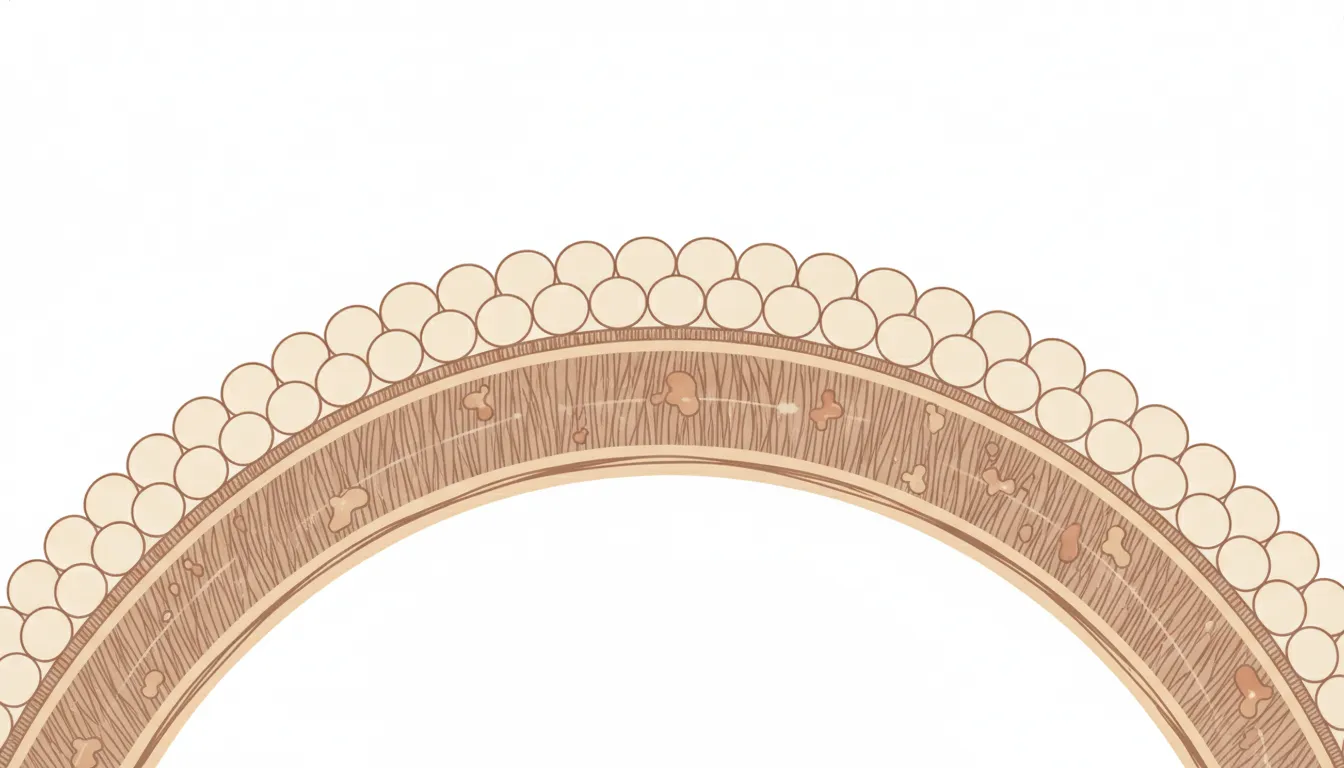
Hair is not a solid, featureless thread. It is a layered fiber made mainly of keratin. The cuticle is the outer protective layer, made of overlapping cells. Beneath it, the cortex contains most of the hair’s mass, including keratin structures and melanin granules that contribute to natural color. A central medulla may also be present, but it is not the main destination for most hair color chemistry.
For dye to change the visible shade, its ingredients must either remain on the cuticle or travel farther into the fiber. The cuticle is a gate, not a sealed wall. Alkaline conditions can make the cuticle swell and become more permeable, allowing ingredients to diffuse toward the cortex. Existing porosity, previous lightening, heat exposure, and mechanical wear can also change how readily a strand accepts color.
What happens when permanent hair color is applied?
Short answer: Permanent hair color usually combines an alkalizing agent, an oxidizer such as hydrogen peroxide, and dye precursors. The alkaline mixture increases access through the cuticle, peroxide can lighten some natural melanin, and the precursors react with couplers inside the cortex to form larger colored molecules that resist ordinary washing.
Permanent color is an oxidative system. Before mixing, many of its color ingredients are relatively small precursors rather than the final shade. Once combined with a developer, the mixture creates the chemical conditions needed for oxidation and coupling. A permanent color formula can therefore change both the existing pigment and the new color deposited in the strand.
The alkaline component is important because it helps the cuticle become more receptive. Ammonia is one familiar alkalizer, although formulas may use alternatives. The oxidizer performs more than one job: it helps develop the dye chemistry and can lighten melanin, the natural pigment in the cortex. This is why permanent color can generally create more substantial shade changes than a surface-depositing product.
Inside the cortex, oxidized precursors and couplers combine into colored molecules that are larger and less water-soluble than the starting ingredients. Some ingredients also react outside the fiber, and early washes remove the excess. The color that remains is not simply a layer of paint. It is the result of a chemical reaction within the hair fiber, which is why new growth reveals the original shade as hair grows.
Permanent color is not the same as bleach. A color formula may lighten natural pigment while adding artificial tone, but the amount of lift depends on the formula, developer, starting shade, and application. A major lightening service may also involve separate bleaching chemistry. That distinction matters because more lift generally means more stress on the hair fiber.
How are demi-permanent, semi-permanent, and temporary dyes different?
Short answer: Temporary dyes mainly deposit color on the outside of the strand. Semi-permanent dyes use pre-formed color molecules that can move somewhat closer to or into the outer cortex but do not usually lighten natural pigment. Demi-permanent and permanent systems use oxidative chemistry, with demi-permanent color generally designed for less lift and shorter-lasting change.
Names vary across products and regions, so the label and instructions always matter. The useful scientific question is whether the formula contains pre-formed color molecules or color precursors that react with an oxidizer. The table below describes the usual pattern, not a guarantee for every product sold under each name.
| Color type | Where color acts | Typical role | Structural consideration |
|---|---|---|---|
| Temporary | Mostly the cuticle surface | Short-term tone or fashion color | Usually no cuticle opening or oxidation, but repeated washing and friction still affect the feel of the fiber |
| Semi-permanent | Surface and shallow regions near the cuticle | Deposit tone or darken without meaningful lift | Usually less chemically intensive than oxidative color, but results vary with porosity |
| Demi-permanent | More access to the outer fiber through a mild oxidative system | Refresh tone, blend gray, or create a lower-lift change | Can still alter the fiber, especially when layered over prior color |
| Permanent | Through the cuticle into the cortex | Long-lasting color, gray coverage, and some lift | More potential for cuticle and cortex stress because alkalinity and oxidation are involved |
Temporary and semi-permanent color may be a better fit when the goal is a reversible tonal change, but “gentler” does not mean risk-free for every scalp or strand. A porous, previously lightened fiber can grab and hold deposited pigment differently from untreated hair. It can also release color unevenly, which is one reason an existing color history matters more than the label alone.
Demi-permanent color sits between deposit-only and permanent systems. It can be useful for tone refinement or a lower-lift change, but it is still chemistry applied to a keratin fiber. For a format-specific explanation, see Solanesse’s guide to demi-permanent hair color. This article’s focus is the broader mechanism shared across color types.
EXPLORE THE POST-COLOR CONDITIONING RITUAL
Why can hair dye cause dryness, roughness, or breakage?
Short answer: Hair dye can affect the cuticle surface and the cortex because the process may involve alkalinity, oxidation, swelling, and repeated wetting. Those changes can increase friction, reduce smoothness, and make the fiber more vulnerable to mechanical stress. Damage is more likely when color is repeated, overlapped, or combined with lightening and heat.
Hair damage is not the same as a color molecule entering the strand. The visible color is a cosmetic result, while damage describes changes in the fiber’s physical condition. A strand may look beautifully colored and still have a more irregular cuticle or lower resistance to combing. Conversely, a temporary deposit can change tone with less chemical disruption, even though the hair still experiences washing and handling.
Research on hair fibers describes the cuticle as a protective barrier and the cortex as the main structural region. When the surface becomes rougher or loses some lubrication, strands do not slide past one another as easily. That can increase tangling, combing force, frizz, and the chance that a weakened fiber will break. A study of chemical treatment and hair-shaft damage evaluated cuticle and cortex changes after coloring and other services, reinforcing that chemical history matters.
Several factors change the risk profile:
- Lift: Lightening natural pigment generally requires more active chemistry than depositing a darker tone.
- Overlap: Applying fresh color over already colored lengths can expose the same fiber to another round of processing.
- Starting condition: Previously bleached, porous, or heat-stressed hair may respond unevenly and be less resilient.
- Timing: Leaving a product on longer than directed does not make the result safer or more predictable.
- Combined services: Coloring near chemical straightening, perming, or aggressive heat can compound stress.
This is also why the American Academy of Dermatology recommends following product directions, testing color before use, and taking extra care when lightening. If a product causes burning, swelling, itching, or a rash, rinse according to the instructions and seek medical guidance rather than trying to condition through a reaction.
Does hair dye damage hair permanently?
Short answer: Hair dye can create lasting changes in the treated length because the visible hair shaft is nonliving keratin and cannot biologically rebuild itself. New growth is untreated, but processed lengths remain processed until they grow out or are cut. Conditioning can improve feel and manageability, but it cannot return a chemically altered strand to its original state.
Calling damage “permanent” does not mean every colored strand will become brittle. It means the treated portion does not heal like living skin. Hair-care products can coat, lubricate, soften, and reduce friction at the surface. They can help a strand behave better, look smoother, and tolerate normal handling. They do not replace missing keratin structures or erase every chemical change within the fiber.
The practical goal after color is therefore not to reverse the chemistry. It is to reduce avoidable stress and support the fiber’s surface. Gentle cleansing, careful detangling, heat protection, and a consistent conditioner can help preserve the length. If the hair is already highly compromised, a stylist or dermatologist can help distinguish breakage from scalp or hair-growth concerns.
For readers deciding what to do next, Solanesse’s hair dye damage explainer covers the damage question directly, while the post-color recovery guide addresses care options. Those resources are intentionally separate from this article’s chemistry-first explanation.
What does post-color conditioning actually do?
Short answer: Post-color conditioning helps the treated fiber feel smoother by adding lubrication, improving slip, and reducing the friction involved in washing and detangling. It supports the surface after a chemical service, but it should be described as conditioning and care, not as a reversal of oxidation or a promise to rebuild every damaged structure.
After coloring, the hair’s immediate needs are often tactile: less drag during combing, less roughness through the lengths, and more manageable ends. A conditioning formula can leave a lubricating film and help the cuticle surface feel more orderly. The result may be softer-feeling, shinier-looking hair that is easier to handle. Those are meaningful benefits, but they are different from changing the color reaction that already occurred.
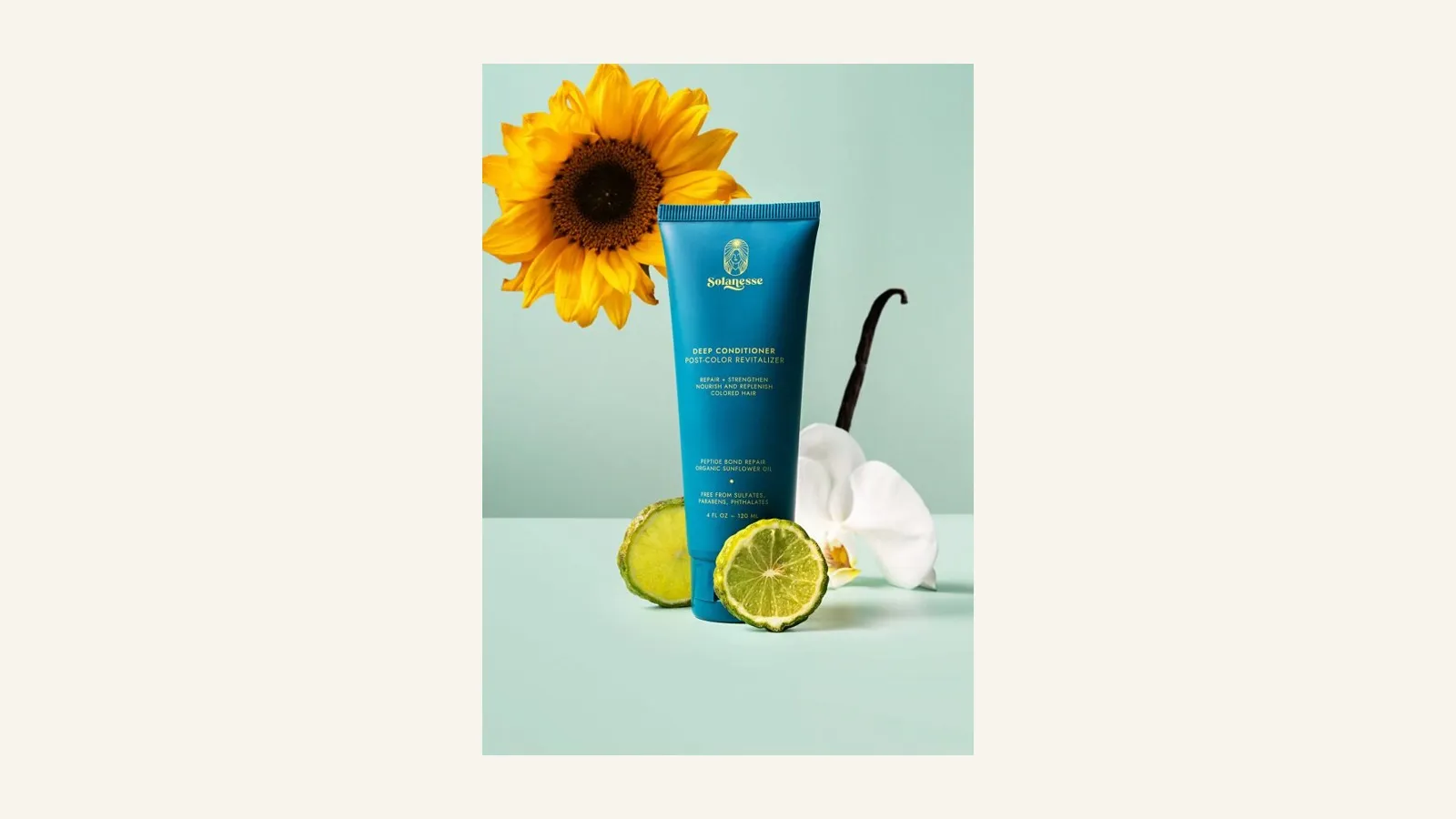
Solanesse’s Deep Conditioner Post-Color Revitalizer is designed for a post-color conditioning ritual. Use a product like this after cleansing and follow its directions. The most credible claim is functional and specific: conditioning can support softness, slip, shine, and manageability in color-treated hair. It is not accurate to promise that any conditioner permanently repairs or reverses chemical processing.
A broader post-color hair routine can also include controlled heat, gentle handling, and protection from environmental stress. If color fade is the main concern, see the separate guide on preventing hair dye from fading. Keeping those jobs separate makes the routine easier to follow and keeps the claims honest.
What should you remember before coloring your hair?
Short answer: Choose the least intensive process that meets the color goal, avoid unnecessary overlap on previously treated lengths, follow the product directions, and plan conditioning afterward. A patch test is a safety step, not a formality. If the goal requires substantial lift, professional assessment can help protect the condition of the hair.
- Identify the goal: deposit tone, blend gray, darken, refresh, or lighten.
- Consider the hair’s history, including bleach, previous color, straightening, perming, heat, and breakage.
- Read the product label because color categories are not perfectly standardized.
- Keep color away from the eyes and never use scalp hair dye on eyelashes or eyebrows.
- Follow the manufacturer’s patch-test and application instructions every time they call for them.
- Rinse thoroughly, condition the lengths, and avoid treating conditioning as a substitute for safe application.
The U.S. Food and Drug Administration’s hair-dye guidance explains why label directions and skin testing matter. It also notes that sensitivities can develop over time. This article is an educational explanation of hair-fiber chemistry, not a diagnosis or a substitute for medical advice.
SHOP DEEP CONDITIONER POST COLOR REVITALIZER
Frequently asked questions about how hair dye works
What is the difference between hair dye and bleach?
Hair dye can deposit artificial color and, in oxidative systems, may lighten some natural pigment while adding tone. Bleach is primarily used to remove or lighten natural and artificial pigment. Some color services combine related chemistry, so the label and service plan matter.
Can demi-permanent hair color lighten natural hair?
Demi-permanent formulas are generally used for deposit, tone, or limited change rather than substantial lift. They are not all identical, so check the product instructions and ask a professional when the desired result requires significant lightening.
Why does colored hair feel dry after washing?
Color processing can make the cuticle surface feel rougher or less lubricated, while washing and friction add mechanical stress. A conditioner can improve slip and softness, but persistent breakage or scalp symptoms deserve professional evaluation.
Does temporary hair color damage hair?
Temporary color usually acts mainly at the surface and avoids the oxidative process used by permanent color. That often means less chemical disruption, but repeated washing, friction, heat, and an individual’s existing hair condition still influence how the hair feels.
Should I condition my hair after dyeing it?
Yes. Conditioning after coloring can improve slip, softness, shine, and manageability. It supports the treated fiber’s surface, but it does not reverse oxidation or guarantee that chemically altered hair has been restored to its original condition.
Sources
- ACS Omega review of hair-dye classification and chemistry
- Review of hair-dye mechanisms and hair-fiber structure
- PeerJ review of human hair structure
- Study of hair-shaft damage after chemical treatment
- American Academy of Dermatology coloring guidance
- U.S. Food and Drug Administration hair-dye safety guidance


