


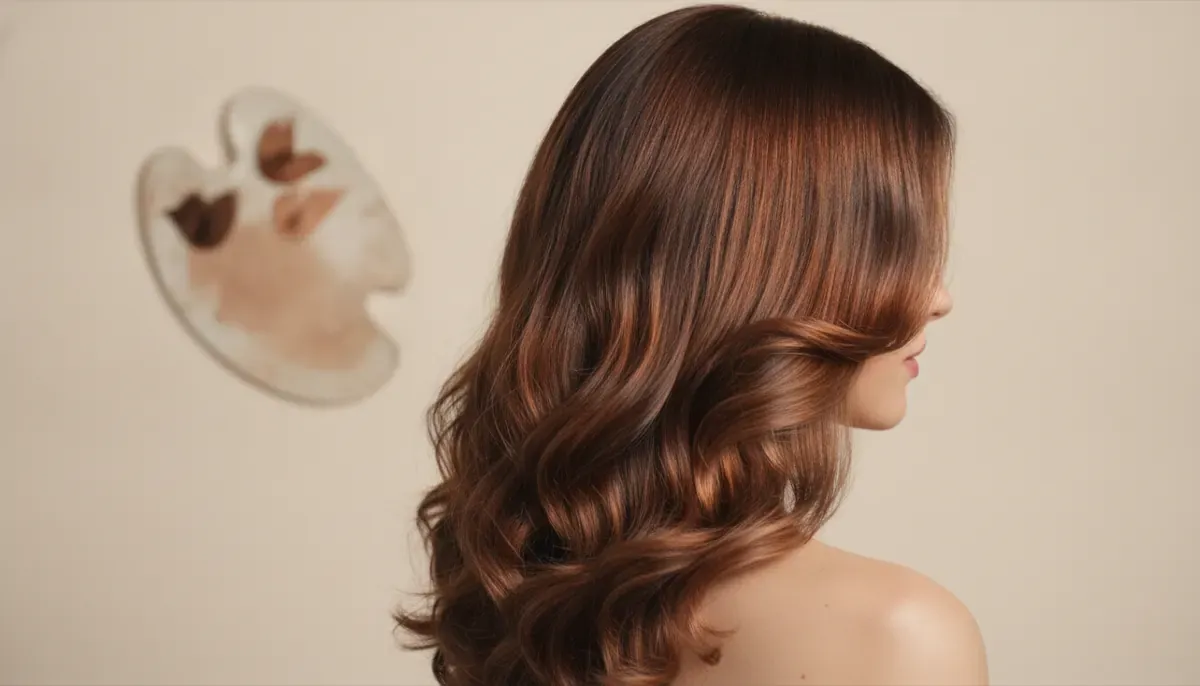
Permanent vs semi permanent hair color is not simply a choice between color that stays and color that fades. The two systems differ in how pigment reaches the hair fiber, how much regrowth you see, how often maintenance is needed, and how much chemical stress your lengths may experience. Permanent color is built for lasting change and stronger gray coverage. Semi-permanent color is built for tone, shine, flexibility, and a softer fade. The right option depends on your color goal, hair history, and tolerance for ongoing touch-ups.
SHOP DEEP CONDITIONER POST COLOR REVITALIZER
Permanent vs semi-permanent hair color: the short answer
Permanent color uses an oxidative process to change pigment inside the hair fiber, while semi-permanent color deposits pre-formed color mainly on the outer layers. Permanent color generally lasts longer and offers more reliable gray coverage, but it creates a more visible grow-out line. Semi-permanent color fades with washing, cannot lift natural pigment, and usually creates less structural change, although the exact formula and condition of your hair still matter.
Both can be useful. A person covering resistant gray may need permanent color at the roots, while someone refreshing tone on previously colored lengths may prefer a semi-permanent gloss. Applying the same system everywhere is not always the most hair-conscious approach.
How permanent hair color works
Permanent hair color contains dye precursors that develop inside the hair during an oxidative reaction. The formula is mixed with a developer, and an alkaline ingredient helps the cuticle become more permeable. Color precursors and the oxidizing agent then react within the fiber to create larger colored molecules that are more difficult to remove through ordinary washing.
That chemistry allows permanent color to do more than add tone. Depending on the shade, developer, and application, it can deposit pigment, change the existing level, or lighten natural pigment. It can also deliver the most complete coverage for gray hair. A peer-reviewed review of hair-dye mechanisms classifies permanent color as an oxidative system with deeper diffusion into the cortex and greater resistance to washing. Read the peer-reviewed hair-dye review for additional technical background.
Permanent does not mean that the shade stays visually unchanged forever. Sun, heat, cleansing, water, and oxidation can dull tone. The treated portion remains chemically altered, however, so the main maintenance issue is new growth and the contrast between natural roots and colored hair.
How semi-permanent hair color works
Semi-permanent color uses pre-formed dye molecules that attach to the cuticle and, depending on the formula and fiber condition, may penetrate slightly into the outer hair shaft. It does not normally require the same developer-driven oxidation used by permanent color. Because it does not remove natural pigment, it cannot reliably lighten dark hair to a lighter level.
Semi-permanent color is often chosen to refresh a faded shade, add a temporary tone, blend subtle variation, or create a gloss-like finish. Porous or previously lightened hair may hold the pigment longer than smooth virgin hair, so a promised wash count should be treated as an estimate rather than a fixed result. For a closer look at how porosity changes color behavior, see hair porosity and hair color.
Semi-permanent does not mean zero risk. A formula can still dry the hair, irritate the scalp, or create uneven results if it is used over a damaged or highly porous base. Patch testing, a strand test, careful sectioning, and following the product instructions remain important.
Permanent vs semi-permanent hair color comparison
The practical differences become easier to weigh when they are placed side by side. These are general patterns, not guarantees for every formula. Read the ingredient label and application directions for the exact product you plan to use.
| Consideration | Permanent color | Semi-permanent color |
|---|---|---|
| Color mechanism | Oxidative color develops inside the fiber after mixing with developer. | Pre-formed pigment deposits on the outer layers and may penetrate slightly. |
| Longevity | Remains in the treated hair until it grows out or is recolored, though tone can fade. | Gradually fades with washing; timing varies with formula, porosity, shade, and routine. |
| Gray coverage | Usually the stronger choice for resistant or high-percentage gray coverage. | May blend early or scattered gray, but usually does not provide opaque coverage. |
| Lightening | May lighten natural pigment when the formula and developer are designed for it. | Deposit-only; it cannot reliably lift natural pigment. |
| Regrowth | Creates a clearer root line as untreated hair grows. | Fades gradually, so regrowth is usually less stark. |
| Maintenance | Requires planned root touch-ups and careful control of overlap. | Can be refreshed when tone softens, with less pressure to maintain a sharp line. |
| Damage considerations | More structural change is possible, especially with repeated overlap or lightening. | Usually less structural change, but damaged or porous hair can still become dry or uneven. |
| Best fit | Major color changes, dependable gray coverage, or a long-lasting result. | Tone refreshes, lower-commitment changes, and previously colored lengths. |
Bottom line: Choose permanent color when coverage and lasting change are the priority. Choose semi-permanent color when you want a lower-commitment tone refresh and a softer grow-out. If your service involves both gray coverage and already colored lengths, ask a professional whether using different approaches in different zones makes sense.
Which option lasts longer?
Permanent color lasts longer in the treated hair because its pigment is developed within the fiber rather than simply sitting at the surface. It can still become less vibrant as the hair is washed and exposed to heat, sunlight, minerals, and friction. New growth is the clearest signal that a permanent service needs attention.
Semi-permanent color fades gradually. Some shades lose visible intensity after a few washes, while others remain noticeable for several weeks. Hair condition is a major variable. A porous strand has an uneven surface and may absorb pigment quickly but release it just as quickly. A smoother strand may show a softer result and less initial absorption.
Wash frequency also changes the timeline. Water, cleanser, friction, and heat all contribute to gradual color loss. The existing guide to making hair color last longer covers practical ways to reduce those exposures without forcing every scalp into the same wash schedule.
Which one is better for gray coverage?
Permanent color is generally the better option for consistent, opaque coverage of resistant gray because its oxidative system can place pigment more deeply and change the underlying color. The right shade, developer, processing time, and application technique still matter. Gray hair can vary in texture and resistance, so a consultation or professional application is worthwhile when coverage must be precise.
Semi-permanent color can be useful when your goal is to soften the contrast of scattered gray rather than cover every strand. It can blend early gray into the surrounding color and avoid a sharp root line. The result is intentionally more translucent, so it may not meet the needs of someone seeking complete coverage. Solanesse’s gray coverage guide provides additional context on choosing color while considering cumulative stress.
Which is gentler on color-treated or damaged hair?
Semi-permanent color usually creates less structural change than permanent color because it does not rely on the same lift-and-develop process. That can make it a more comfortable choice for a fragile length that only needs a tone refresh. It is not automatically harmless, though. Frequent applications, strong formulas, high porosity, and repeated heat can still leave hair feeling rough or dry.
Permanent color can be managed more carefully by limiting it to new growth and avoiding unnecessary overlap on the mid-lengths and ends. Pulling permanent color through already colored hair at every appointment adds avoidable chemical stress. Lightening services can add another layer of risk, especially when hair has already been bleached or feels stretchy when wet.
Hair dye can affect the cuticle, cortex, and the lipid-rich cell membrane complex. It cannot biologically heal once the fiber has been seriously broken, but conditioning can improve softness, flexibility, shine, and manageability. For a fuller discussion, read does hair dye damage hair, post-color hair porosity, and the post-color repair guide.
How maintenance and regrowth differ
Permanent color creates a maintenance schedule that follows hair growth. The more different the natural root is from the chosen shade, the more visible the line becomes. Root-only applications can reduce unnecessary overlap, while lengths may need only a gloss or other tone refresh. The goal is to treat the area that needs color rather than repeatedly process hair that already has it.
Semi-permanent color creates a different rhythm. Instead of waiting for a root line, you refresh when the shade loses enough depth, warmth, or shine to bother you. That can be useful for people who change tones, wear lower-contrast color, or want flexibility between salon appointments. The tradeoff is that the color will not remain equally visible through repeated washing.
Whatever system you choose, the first wash deserves care. Follow the instructions from your colorist or product maker, use water that is comfortable rather than very hot, and reduce friction while the hair is wet. The first-wash-after-coloring guide covers the early-care decision in more detail.
How to choose between permanent and semi-permanent color
Use your desired result as the starting point, then account for the condition of the hair you already have. A simple decision framework can keep the choice practical.
- Define the color job: If you need to lighten natural hair or cover resistant gray, permanent color may be the better fit. If you want tone, depth, shine, or a temporary shift, semi-permanent color may be enough.
- Map your hair history: Note prior bleach, permanent color, highlights, relaxers, heat damage, and areas that feel porous. A professional should know what is already on the hair before recommending another chemical service.
- Consider the grow-out: Permanent color requires more predictable root maintenance. Semi-permanent color offers a softer fade but may need refreshing sooner.
- Protect the lengths: Keep permanent color focused on new growth where possible. Avoid assuming that a less permanent label makes repeated overlap acceptable.
- Plan aftercare: A gentle cleansing routine, controlled heat, and consistent conditioning help the hair look better after either service.
If the hair feels brittle, gummy, unusually stretchy, or breaks during detangling, pause before coloring again. Strength and moisture support may need attention first. A colorist can assess whether the hair is ready for another service.
Post-color conditioning supports hair health, not color permanence
Conditioning cannot change a semi-permanent formula into permanent color, and it cannot guarantee that any shade will last. It can support the surface and feel of color-treated hair by adding slip, improving softness, reducing friction, and helping the cuticle look smoother. Those benefits matter because rough, porous hair is more difficult to manage and may lose tone less evenly.
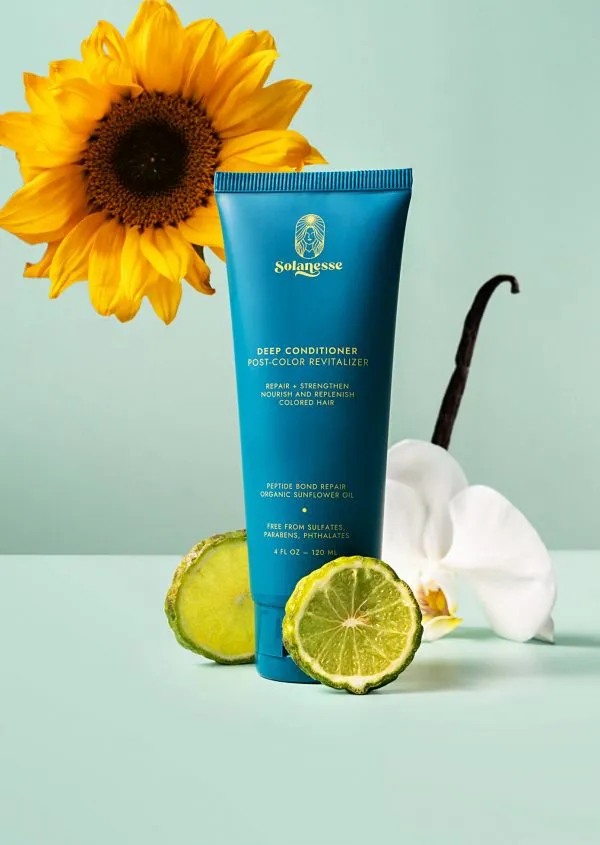
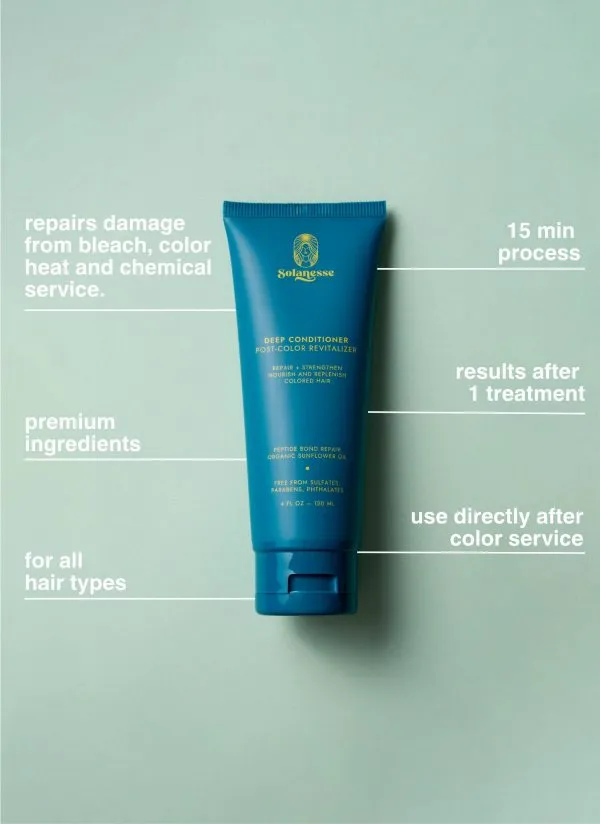
Solanesse Deep Conditioner Post-Color Revitalizer is a rinse-out treatment designed for hair affected by color, bleach, or heat. The product page lists keratin, collagen, peptides, and sunflower oil among its formulation highlights, with a 10 to 15 minute treatment time. Apply it to warm damp hair, work from root to tip as directed, then rinse thoroughly. Explore the deep conditioning treatment guide and the Science & Ingredients page for more product context.
Pair conditioning with habits that limit unnecessary fade: use a cleanser suited to your hair and color service, avoid very hot water, space washes when practical, and protect hair from excessive heat. The difference between a color-safe shampoo and regular shampoo is one part of the routine, not the entire strategy.
SHOP DEEP CONDITIONER POST COLOR REVITALIZER
Frequently asked questions
Is semi-permanent hair color safer than permanent color?
Semi-permanent color usually creates less structural change, but safer depends on the formula, application, frequency, and starting condition of the hair. Patch test as directed, perform a strand test when appropriate, and avoid repeated overlap on fragile lengths.
Can semi-permanent color cover gray hair?
Semi-permanent color may blend scattered or early gray, but it usually does not provide the opaque coverage many people want from a permanent formula. For resistant or extensive gray, ask a professional about the right shade and application method.
Does permanent hair color damage hair more?
Permanent color generally creates more structural change than semi-permanent color because it uses an oxidative process to change pigment inside the fiber. Damage risk also depends on developer strength, overlap, lightening, processing, hair history, and aftercare.
Can I use permanent color on the roots and semi-permanent color on the lengths?
That combination can be appropriate in some color plans, especially when roots need coverage and lengths only need a tone refresh. A colorist should decide the formula, timing, and placement so the already colored sections are not unnecessarily processed.
Will conditioning make my hair color last longer?
Conditioning supports smoother, more manageable hair and may help reduce friction and uneven wear, but it cannot guarantee color retention. Washing frequency, water temperature, heat, sunlight, porosity, and the dye system also affect how a shade fades.
Final decision
Permanent color is the stronger fit for lasting level changes and dependable gray coverage, while semi-permanent color is the more flexible fit for tone, shine, lower commitment, and softer regrowth. Neither is universally better. Match the formula to the job, protect the hair that has already been colored, and treat post-color conditioning as supportive care rather than a promise of permanent color retention.


