


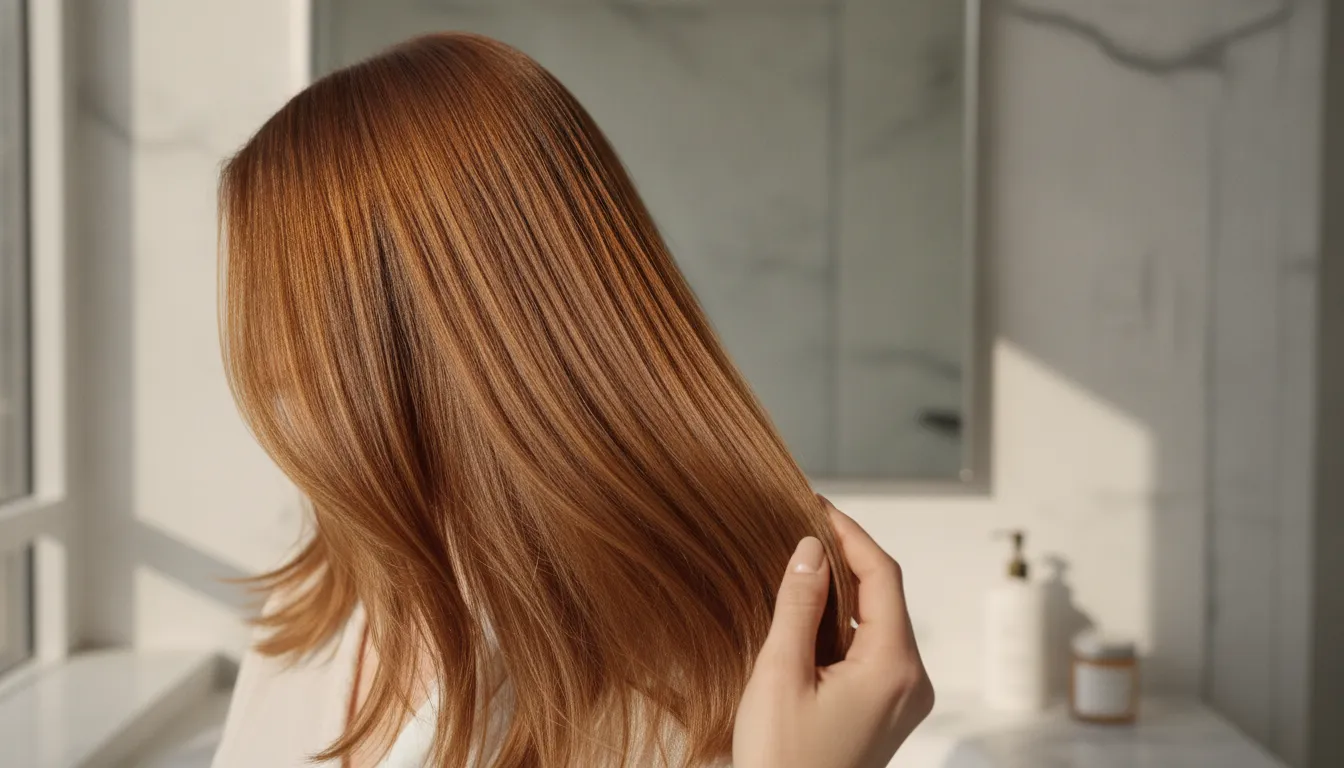
For a complete answer on how to make color treated hair shiny, begin with a gentler cleanse. Follow with focused conditioning.
That simple sequence gives you a practical starting point. Adjust it for buildup, heat, or porosity.
If you are wondering how to make color treated hair shiny, start by looking at the hair’s surface rather than adding more glossing product. Color can leave hair looking dull even when the shade is fresh. Chemical processing may make the cuticle, the hair’s outer protective layer, less smooth. Dryness, uneven hydration, styling residue, and post-color stress can then scatter light instead of reflecting it evenly.
Shop the Solanesse Deep Conditioner – Post Color Revitalizer
To understand how to make color treated hair shiny, focus on four essentials: smooth the hair’s surface. Replenish hydration, manage buildup without aggressive cleansing, and limit additional heat and environmental stress. A weekly 10-15 minute deep-conditioning ritual on warm, damp hair can support softer, more manageable strands while protecting the look of your color.
Shine is not only a coating placed over the hair. It is also a visible sign of how evenly the cuticle lies and how consistently the fiber holds moisture. Identify what is interrupting that finish. Then build a targeted routine that restores gloss without asking freshly colored hair to tolerate more stress.
Why Does Color-Treated Hair Lose Its Shine?
Color-treated hair often looks dull when its outer surface becomes less smooth. Hair color and lightening services can leave strands dry, fragile, and frizzy. They can also make the strands more difficult to align. Instead of reflecting light evenly, an uneven surface scatters it. The result may feel rough and look muted, even when the color itself is fresh.
The cuticle controls how light reflects
The cuticle is the hair’s outer protective layer, made of overlapping cells that sit along the strand. When those cells lie relatively flat, the surface feels smoother and reflects light more consistently. A raised, worn, or irregular cuticle catches light in different directions. This can make color appear less vibrant and contribute to a dry, matte finish.
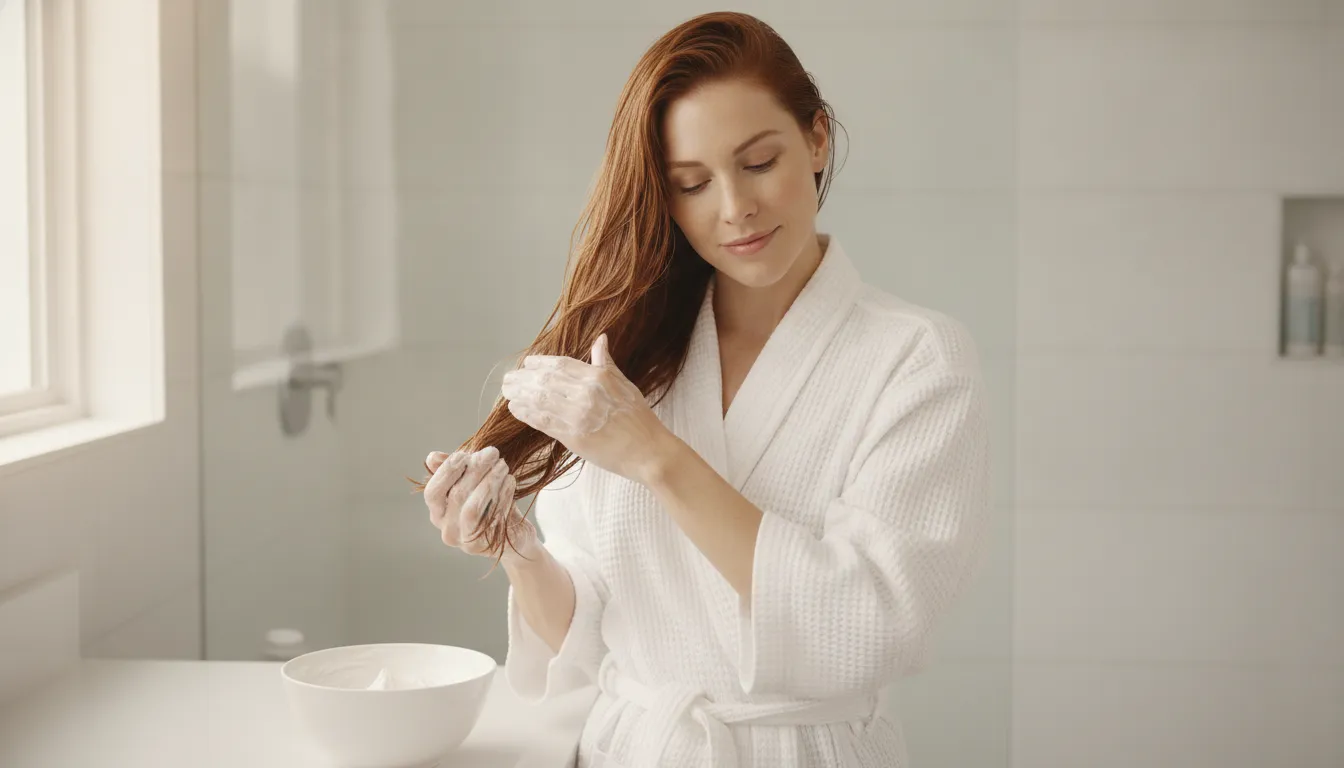
That surface condition is also connected to frizz. Strands with different levels of roughness do not sit together as neatly. The hair can look expanded or flyaway rather than polished. A shine problem is therefore not always a color problem. It may signal a need for better surface smoothness and hydration.
Dryness and porosity can amplify dullness
Porosity describes how readily hair takes in and releases moisture. After chemical processing, some strands may behave as though they are more porous. They can absorb moisture quickly but struggle to retain consistent hydration. That unevenness may show up as rough ends, frizz, tangling, or a finish that loses gloss soon after styling.
If your hair feels unusually thirsty, becomes puffy in humid conditions, or has a noticeably different texture near the lightened or colored areas, review this guide to post-color hair porosity. Identify what your strands are doing before adding more products. A heavy coating can make hair feel temporarily slick without addressing dryness or uneven porosity.
A smoother finish depends on more than adding shine at the surface. Color-treated hair benefits from a balanced approach that supports the cuticle while improving hydration through the strand. Solanesse’s post-color positioning considers the cuticle, cortex, and cell membrane complex together, rather than treating gloss as a purely cosmetic coating.
What Actually Makes Color-Treated Hair Look Glossy?
Key takeaway: A glossy finish depends on a smoother surface, balanced hydration, and less avoidable stress. No single product can permanently reverse every effect of coloring or bleaching.
Visible gloss comes from two conditions working together: a smoother outer surface and balanced hydration inside the strand. When light meets an even surface, it reflects more consistently, creating a polished finish.
When hair has enough moisture, it feels softer and is less likely to look rough, frizzy, or dull. Shine is therefore more than an effect placed on top of the hair. It is also a useful signal that the strand’s surface and feel are being supported.
| What you notice | Likely factor | Helpful response |
|---|---|---|
| Rough, fuzzy lengths | Uneven cuticle surface | Condition gently. |
| Dry ends or tangling | Uneven hydration | Use a focused treatment. |
| Waxy or heavy feel | Styling residue | Calibrate cleansing. |
| Faded finish after styling | Heat or environmental stress | Protect exposed hair. |
The cuticle controls the first impression
The cuticle is the hair’s outer protective layer, made of overlapping cells. Color processing can leave this surface less smooth, which may make hair feel dry or look fuzzy under light.
Conditioning helps improve slip and softness at the surface. A focused post-color treatment can support a more comprehensive care approach. If your hair absorbs water quickly, feels rough after washing, or loses softness soon after conditioning, reviewing your post-color hair porosity can explain why its finish changes.
Gloss also depends on the inner structure
Below the cuticle is the cortex, the main body of the hair strand. It contributes to the strand’s strength, elasticity, and overall feel. The cell membrane complex is the material between hair cells that helps hold the structure together.
These terms describe why surface shine and hair quality are connected. A smoother cuticle can improve the way light reflects. While support for the cortex and cell membrane complex can contribute to a strand that feels more resilient and manageable.
This is also why a temporary coating and improved hair feel are not identical. A glossing product or styling formula may smooth the surface and create immediate shine, and that can be a worthwhile part of a routine. The visible effect does not necessarily mean the hair’s underlying dryness or fragility has changed. A treatment designed around hydration and the hair structure takes a different approach, without suggesting that one product must replace every other kind of conditioner. For a practical comparison of care options, see this guide to a conditioner for color-treated hair.
The most reliable path to a glossy finish is to care for both layers: keep the surface clean and smooth. Avoid unnecessary stress, and use conditioning consistently enough to maintain softness between color appointments.
How to Make Color Treated Hair Shiny Safely
A safe shine routine works with the hair’s condition instead of masking it with excessive product. Keep the process gentle, consistent, and focused on a smooth surface, balanced hydration, and less friction during styling.
-
Cleanse gently and prepare the hair
Start with warm water, not very hot water, and use a cleanser designed for color-treated hair. A color-safe shampoo can help you remove sweat, oil, and styling residue while keeping your routine appropriately cautious after a color service. Concentrate shampoo at the scalp, then allow the lather to move through the lengths as you rinse. Avoid aggressive scrubbing through the ends, which are often the driest and most fragile part of color-treated hair.
-
Condition and detangle with less friction
Apply conditioner through the mid-lengths and ends, where dryness and tangling tend to be most noticeable. Use your fingers or a wide-tooth comb to detangle gradually, beginning at the ends and working upward. This helps limit pulling while the hair is wet. Rinse until the hair feels soft and clean rather than coated. Conditioner can improve slip, softness, and surface feel, but it should not be described as a permanent structural repair step.
-
Apply a weekly post-color treatment
For the focused treatment step, gently squeeze out excess water so the hair is warm and damp. Apply the Solanesse Deep Conditioner – Post Color Revitalizer from root to tip, using enough product to distribute it evenly without saturating the hair unnecessarily. Leave it on for 10-15 minutes, then rinse thoroughly. Use the treatment weekly or as needed, adjusting to how your hair feels and responds between color appointments. The formula is intended for all hair types, textures, colors, and treatments, including single-process color, double-process color, bleach, and dye.
-
Rinse completely and handle gently
A thorough rinse matters. Remaining product can make the surface feel heavy or dull, especially on fine hair. Use comfortably warm water while rinsing, then finish with a cooler rinse if that feels comfortable for you. Do not twist or wring the lengths. Instead, press out water with your hands and wrap the hair in a soft towel or T-shirt to reduce rough handling.
-
Dry and finish with control
Blot rather than rub, and let the hair air-dry partially when your schedule allows. If you use a blow-dryer or another heated tool, keep the temperature moderate, maintain steady movement, and avoid repeatedly passing over the same section. A smooth brush technique can help align the hair surface, but do not chase shine by adding layers of oil or styling product. Start with a small amount on the ends and assess the finish before applying more. The goal is polished, touchable hair, not a temporary coating that conceals buildup.
Repeat the routine consistently, especially when your hair feels dry, rough, or more prone to frizz after coloring. Shine can improve as the surface becomes smoother and better hydrated, but no at-home treatment permanently reverses every effect of chemical processing. Gentle care and regular assessment are more useful than increasing product, heat, or processing time.
How Can You Make Color Treated Hair Shiny While Managing Buildup?
Mid-routine reminder: Start with the gentlest effective cleanse, then condition the lengths. Adjust your routine based on residue, dryness, and how your color-treated hair feels.
Product residue can collect on the hair surface and make freshly colored hair look flat, coated, or less reflective. Styling creams, dry shampoo, oils, mineral-rich water, and frequent layering can all contribute to that feeling. The goal is not to remove every trace of conditioning. It is to keep the surface clean enough for light to reflect while preserving the softness and tone you worked to maintain.
Use your styling habits as the guide
Consider how your hair behaves between washes. If you use several styling products, rely on dry shampoo, or notice a waxy feel at the roots and lengths. You may need more deliberate cleansing than someone who uses very little product. If your hair already feels dry, porous, or rough after a recent color service. Start with a gentle wash and observe the result before adding a stronger cleansing step.
Timing matters, too. Recently colored hair may benefit from a cautious approach to clarifying, particularly when maintaining a delicate tone or a lightened service. Clarifying is not automatically wrong, but frequent or aggressive cleansing may leave the hair feeling stripped and can affect how long color looks fresh. Follow your colorist’s aftercare advice, use lukewarm water, and avoid treating a dull appearance as proof that your hair needs repeated deep cleansing.
Reset the surface, then restore comfort
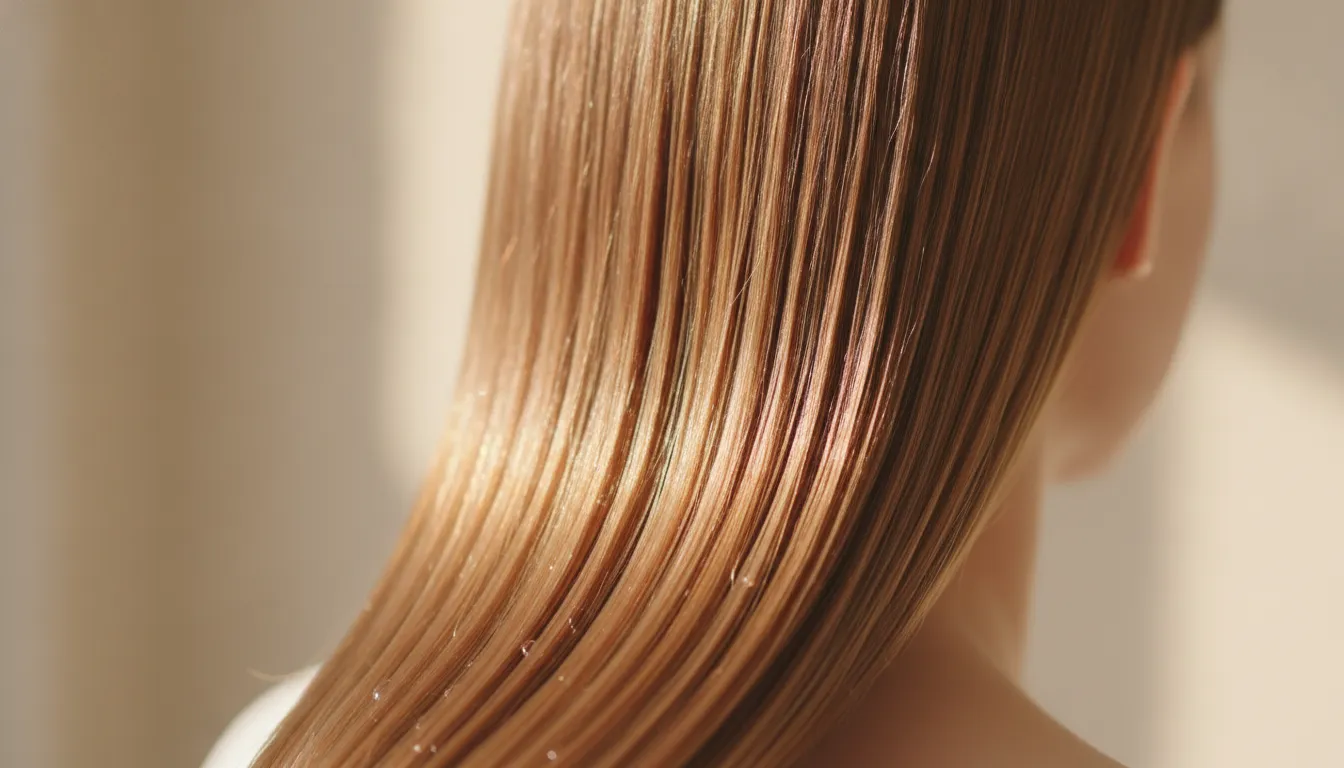
Choose a cleansing routine that matches your current level of residue rather than using the strongest option by default. Our guide to color-safe shampoo can help you compare a color-conscious wash with your usual cleanser. After washing, condition through the lengths and ends. A deep-conditioning step can help improve the feel and appearance of hair that looks dull because dryness and roughness are contributing to an uneven surface.
Be selective with finishing oils. A small amount of hair oil for color-treated hair can add slip and polish, but applying too much or layering it over several other products may recreate the coated finish you are trying to correct. Start with less than you think you need, distribute it through the mid-lengths and ends, and adjust based on how your hair responds. This calibrated approach supports shine without confusing surface weight with lasting hair health.
How Do Heat, Sun, and Water Affect Shine?
Repeated exposure to heat, sunlight, and water can make color-treated hair look less reflective, especially when the cuticle becomes rough or the fiber loses moisture. A smoother cuticle reflects light more evenly. When that surface is raised, dry, or coated unevenly, hair may appear dull, feel coarse, and show more frizz.
Heat can increase dryness and surface roughness
Blow-dryers, flat irons, and curling tools add stress to hair that has already been processed. You do not need to eliminate heat styling to protect your finish. Start with fully detangled, damp hair rather than soaking-wet hair, use the lowest effective setting, and keep the tool moving. Avoid repeatedly passing over the same section. A dedicated heat protectant for color-treated hair can help you build a more consistent styling routine.
Sun and water exposure need practical protection
Sun exposure can contribute to dryness and may make color look less vibrant over time. When you are outside for extended periods, cover your hair with a hat or choose shade when practical. If you swim, wet your hair with fresh water first, then rinse it thoroughly afterward. This simple habit helps reduce the amount of pool or salt water your hair absorbs. Follow with a gentle cleanse when needed and condition the lengths, paying attention to the ends.
Do not respond to every dull day with aggressive washing or repeated treatments. Excessive cleansing can leave processed hair feeling drier, while too much product can create its own film. Instead, keep heat styling intentional, rinse after swimming, and maintain a regular conditioning ritual. These small adjustments support the smooth, hydrated surface that makes color-treated hair look glossy without promising to reverse existing damage.
Which Solanesse Ingredients Support a Smoother Finish?
Shine is easier to maintain when the hair fiber has both a smoother surface and enough moisture to reflect light evenly. Solanesse approaches post-color care through the cuticle, cortex, and cell membrane complex, rather than treating visible dryness as a surface issue alone. Its ingredient architecture is designed to support the feel and appearance of processed hair without promising permanent repair.
Hydrolyzed keratin for smoothness and resilience
Hydrolyzed keratin is a form of keratin that has been broken into smaller components for use in a hair-care formula. In the Solanesse treatment, it supports a smoother feel and resilience in strands that may feel rough or fragile after coloring or bleaching. A more even cuticle surface can help hair look more polished, reduce the appearance of frizz, and improve the way light moves across the fiber.
Collagen and plant-based peptides for body and strength
Collagen supports the appearance of elasticity and fullness. That matters when color-treated hair feels limp, fine, or less responsive to styling. Plant-based peptides complement this role by supporting the formula’s cellular-level rebuilding and strength focus. Together, these ingredients are intended to help hair feel more substantial and flexible, not stiff or coated.
These terms describe the treatment’s ingredient strategy, not a guarantee that damaged hair can be restored indefinitely. Hair is a keratinized fiber, and ongoing color services, friction, heat, and environmental exposure can continue to affect its condition. Consistent care is more realistic than a one-time promise.
Sunflower oil for hydration and protection
Sunflower oil helps support hydration and provides antioxidant protection. In practical terms, it contributes to a softer finish and helps the hair retain the conditioned feel created by the treatment. Used alongside structural-supporting ingredients, it helps balance resilience with suppleness so the result does not rely on a temporary glossy coating alone.
Learn more about these science-backed ingredients, or explore the Deep Conditioner – Post Color Revitalizer for a focused post-color conditioning step. It is made for all hair types, textures, colors, and treatments, including single-process color, double-process color, bleach, and dye.
How Often Should You Deep Condition Color-Treated Hair?
For most color-treated hair, a weekly deep-conditioning treatment is a practical starting point. Solanesse recommends using the Deep Conditioner – Post Color Revitalizer weekly or as needed, rather than treating frequency as a fixed rule. Your hair’s texture, porosity, styling habits, and feel between washes can tell you when to adjust.
Apply the treatment to warm, damp hair and work it from root to tip. Leave it on for 10-15 minutes, then rinse thoroughly. This focused ritual helps replenish conditioned feel after color processing without requiring an elaborate routine. The formula is intended for all hair types, textures, colors, and treatments, including single-process color, double-process color, bleach, and dye.
Use your hair’s response to guide frequency
Hair that feels rough, dry, tangled, or unusually frizzy after washing may benefit from using the treatment more consistently. If the lengths feel soft and manageable, continue with weekly use and reassess as your routine or color service changes. Hair that feels weighed down or coated may need less product, a lighter application through the roots, or more time between treatments. Rinse thoroughly so the conditioning step does not leave unnecessary residue behind.
Texture also matters. Fine hair may prefer a measured amount concentrated through the mid-lengths and ends, while thicker, coarser, or highly textured hair may need more even coverage. Porosity can shift after chemical processing, so reviewing your post-color hair porosity can help you understand why some areas absorb moisture quickly while others feel coated.
Deep conditioning supports softness, smoothness, and a more polished surface, but it does not replace gentle cleansing or heat protection. For a simple weekly post-color step, explore the Deep Conditioner – Post Color Revitalizer and adjust use according to how your hair feels.
Explore the Solanesse post-color treatment before the FAQ
Frequently Asked Questions
Why does color-treated hair look dull even when it feels clean?
Color processing can affect the hair surface and leave the cuticle less smooth. When the cuticle does not reflect light evenly, hair may look matte, frizzy, or rough despite being freshly washed. Residue from styling products can also sit on the strand and obscure its natural reflection.
How can I make color-treated hair shiny without fading the color?
Use a gentle, color-conscious cleansing routine and avoid aggressive clarifying immediately after a color service. Follow with a treatment focused on hydration and surface smoothness, then rinse thoroughly. Keep heat moderate and use a heat protectant before styling to limit additional stress.
How often should I use a deep conditioner after coloring?
A weekly treatment is a practical starting point, with adjustments based on your hair’s dryness, texture, and styling routine. Solanesse recommends applying its Deep Conditioner – Post Color Revitalizer to warm, damp hair from root to tip, leaving it on for 10-15 minutes, and rinsing thoroughly. Use it weekly or as needed according to the product directions.
Can a deep conditioner reverse all post-color damage?
No. A conditioning treatment can improve the feel, smoothness, hydration, and appearance of stressed hair, but it cannot permanently reverse every change caused by coloring or bleaching. Consistent conditioning works best alongside careful detangling, lower heat exposure, and a routine that avoids unnecessary chemical processing.
Is this routine suitable for bleached or chemically treated hair?
Solanesse states that the Post Color Revitalizer is intended for all hair types, textures, colors, and treatments, including single-process color, double-process color, bleach, and dye. Follow the application directions and monitor how your hair responds, especially if it is highly porous or fragile.
Get Started with a Focused Post-Color Ritual
When color-treated hair looks dull, a consistent deep-conditioning step can help support a smoother, more hydrated finish without turning care into a complicated system. Learn more about and shop the Solanesse Deep Conditioner – Post Color Revitalizer for a focused treatment ritual. Apply it as directed, then adjust the frequency to your hair’s response and styling needs.


